As parents age, many families begin to wonder whether living alone is still safe.
Small changes often happen gradually, making it difficult to know when normal aging has crossed into a serious safety concern.
Missing medications, repeated falls, poor hygiene, memory problems, or difficulty managing daily tasks can all signal that an older adult may need more support at home.
And while many seniors remain independent for years, recognizing the warning signs early can help prevent injuries, hospitalizations, or emergencies.
In this guide, you’ll learn the most common signs an elderly parent may no longer be safe living alone, what increases the risk, and what families can do next.
Why Safety Concerns Often Develop Gradually
Loss of independence rarely happens overnight.
In many cases, older adults slowly adapt to declining strength, balance, memory, or judgment – making it harder for family members to notice.
Family members may also overlook changes because they occur little by little over time.
An elderly parent may insist they are “doing fine” even while struggling with cooking, managing medications, driving safely, or keeping up with hygiene and housekeeping.
Because many seniors want to remain independent as long as possible, families often do not realize how serious the situation has become until a fall or medical emergency occurs.
Common Signs an Elderly Parent Is No Longer Safe Living Alone
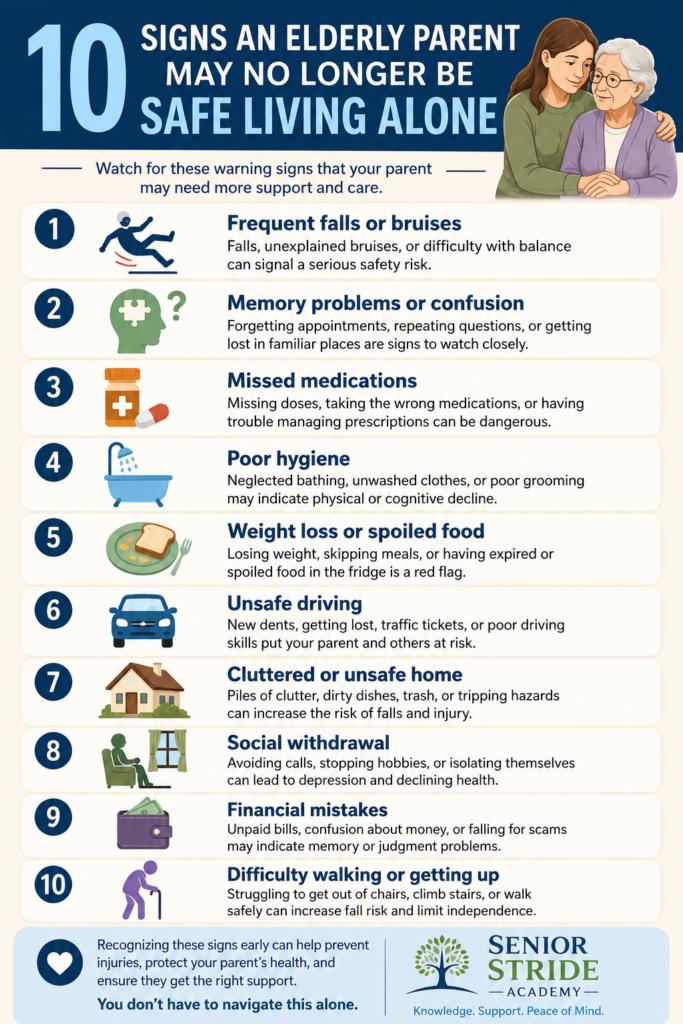
Frequent Falls or Mobility Problems
Falls are one of the clearest warning signs that an older adult may need additional supervision or support.
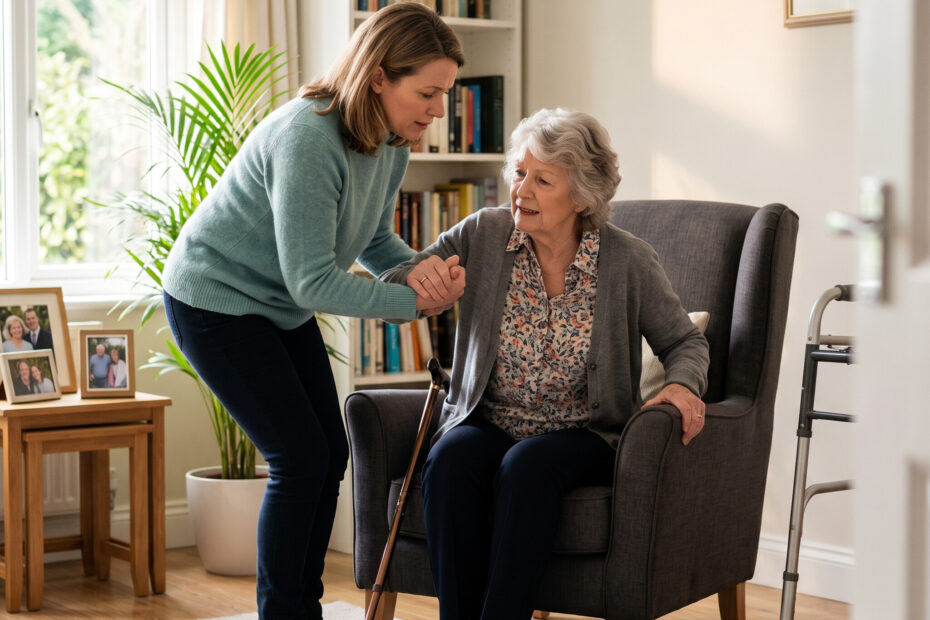
Seniors who hold onto furniture while walking, struggle getting out of chairs, or develop a fear of walking alone are often at much higher risk for serious injury.
Even repeated “near falls” should be taken seriously, especially if bruises or unexplained injuries begin appearing more often.
Believe it or not, but having a high fear of falling (even if no falls have occurred yet) can also increase fall risk.
Difficulty Managing Medications
Medication mistakes become increasingly common as seniors manage multiple prescriptions and changing health conditions.
You may notice missed doses, confusion about medication schedules, expired prescriptions, or pills scattered around the home.
These mistakes can quickly lead to dizziness, dehydration, confusion, or hospitalization.
Poor Hygiene or Self-Care
A noticeable decline in hygiene may suggest physical limitations, depression, cognitive decline, or fear of falling.
Common signs include wearing dirty clothes repeatedly, poor grooming, body odor, or avoiding bathing altogether.
Some seniors stop showering because they no longer feel safe stepping into the tub or standing for long periods.

Memory Problems and Confusion
Occasional forgetfulness can be a normal part of aging, but persistent confusion that interferes with safety is more concerning.
Warning signs include forgetting appointments, leaving appliances on, repeating questions constantly, getting lost in familiar places, or struggling to follow conversations.
When memory problems begin affecting judgment and daily function, living alone may become unsafe.
Unsafe Driving
Driving problems are often one of the first major indicators that independent living is becoming more difficult.
Frequent dents on the car, getting lost while driving, confusion at intersections, or family members feeling uncomfortable riding with them are all important warning signs.
Unsafe driving places both the senior and others at risk.
Weight Loss or Poor Nutrition
Many older adults living alone struggle to shop, cook, or maintain proper nutrition.
You may notice spoiled food in the refrigerator, reliance on processed meals, dehydration, or significant weight loss.
Poor nutrition can worsen weakness, balance deficits, and cognitive problems over time.
Neglected Housekeeping
Changes in the condition of the home often reflect declining physical or cognitive function.
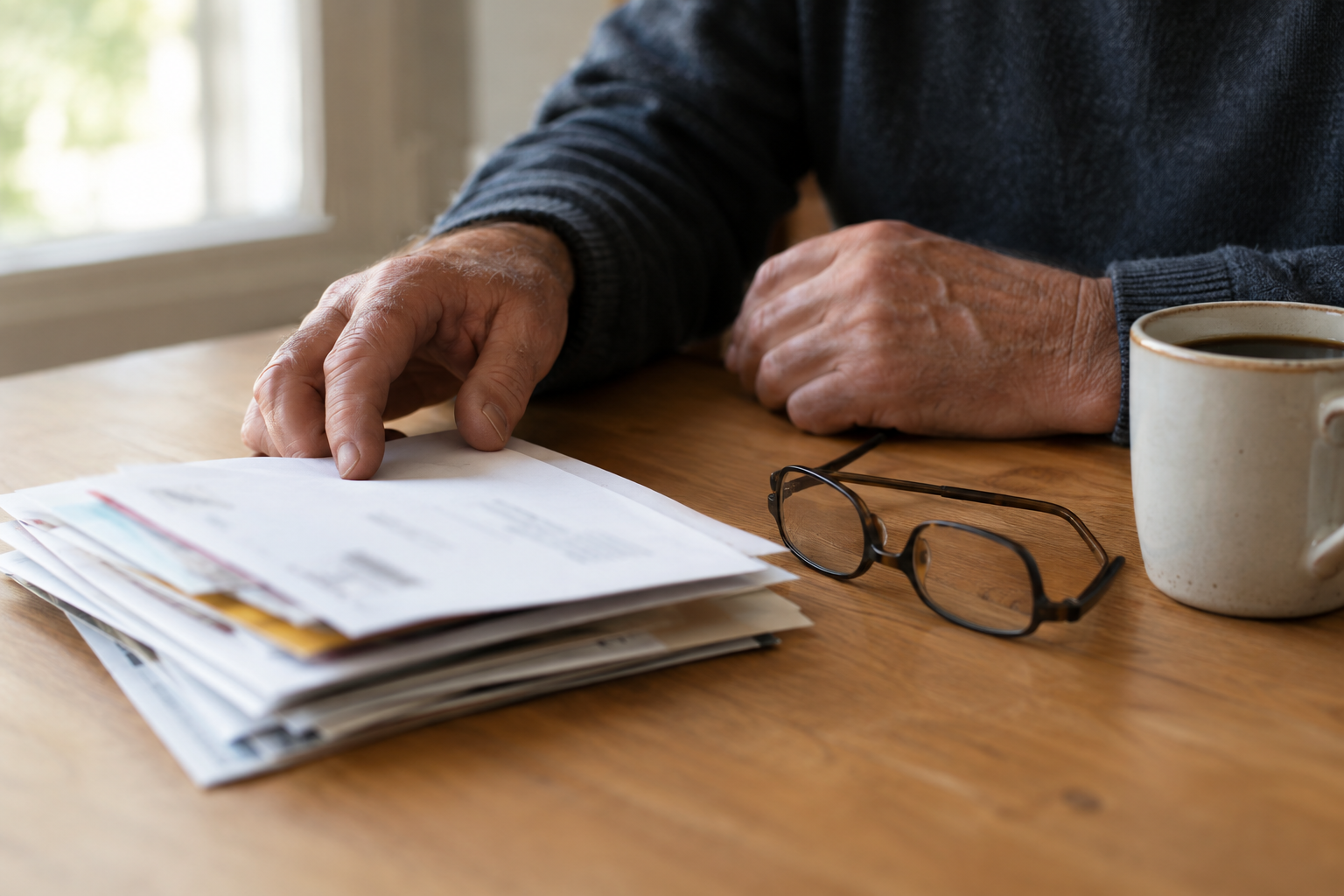
Mail may pile up, dishes remain unwashed, trash accumulates, or clutter creates tripping hazards throughout the house.
A home that was once clean and organized becoming noticeably neglected is often a major red flag.
Social Withdrawal and Isolation
Isolation can accelerate both physical and cognitive decline in seniors.
An elderly parent who stops attending social activities, avoids phone calls, or rarely leaves the home may be experiencing depression, fear of falling, or worsening health problems.
Social withdrawal is frequently overlooked but can significantly affect overall well-being.
Difficulty Managing Finances
Financial mistakes can sometimes appear before more obvious signs of cognitive decline.
Unpaid bills, confusion about money, duplicate purchases, or increased vulnerability to scams may indicate worsening judgment or memory problems.
Sudden financial disorganization should never be ignored.
Risk Factors That Increase Safety Concerns
Some seniors are at higher risk even before major warning signs appear. Certain medical, physical, and social factors can make living alone increasingly unsafe over time.
Common risk factors include:
- Previous falls or balance problems
- Dementia or noticeable cognitive decline
- Poor vision or hearing loss
- Weakness or difficulty walking
- Multiple medications or medication side effects
- Chronic medical conditions
- Recent hospitalization or illness
- Social isolation or limited family support
- Difficulty preparing meals or managing daily tasks
- Living far from caregivers or emergency assistance
Older adults with several of these risk factors often benefit from earlier intervention, home safety modifications, and increased supervision.
What Families Should Do Next
Ok, so you think you parent is getting to the point where they aren’t safe to live by themselves anymore, now what?
Start With an Honest Conversation
Many seniors fear losing their independence, which can make these conversations emotionally difficult. Instead of arguing or making demands, focus on safety and quality of life.
Using specific examples of concerning situations is often more effective than speaking in general terms.
Listening carefully and involving your parent in decisions can also reduce resistance.
For more tips, check out our full guide on talking to aging parents about fall risk.
Schedule a Medical Evaluation
A healthcare provider can evaluate mobility, balance, medications, memory, vision, and fall risk to identify possible causes of decline.
In some cases, treatable issues such as medication side effects, dehydration, infections, or vitamin deficiencies may be contributing to the problem.
Getting a professional’s point of view can also help make the decision less emotional.
Increase Support at Home
Not every senior immediately needs assisted living or full-time supervision.
Many older adults can remain safely at home longer with additional support.
Helpful options may include:
- Home care services
- Medication reminders
- Meal delivery
- Transportation assistance
- Physical therapy
- Fall prevention modifications around the home
These days, there are even virtual caregiving systems (like envoy at Home) that can help monitor senior movement/mobility day and night without the need for a family or paid service.
Consider Higher Levels of Care When Necessary
When safety concerns become severe, living completely alone may no longer be appropriate.
Repeated falls, wandering, inability to manage medications, forgetting to eat, or severe confusion are signs that more attention (or even 24 hour supervision) may be needed.
Depending on the situation, families may consider in-home caregiving, assisted living, memory care, or living with relatives.
| Option | Best For | Supervision Level |
|---|---|---|
| Family assistance | Mild concerns | Low |
| Home care | Help with daily tasks | Moderate |
| Assisted living | Ongoing safety concerns | Moderate-High |
| Memory care | Dementia/wandering | High |
| Skilled nursing | Major medical needs | 24/7 |
What Not to Do
Families sometimes delay action because they fear upsetting their parent or taking away independence too soon.
Unfortunately, waiting until after a major fall or emergency often leads to more stressful decisions later.
It’s also important to avoid arguing aggressively, dismissing warning signs as “normal aging,” or trying to take control too abruptly.
A gradual, collaborative approach is usually far more successful.
When Immediate Action May Be Necessary
Some situations require urgent intervention rather than gradual planning.
An elderly parent who does any of the following may no longer be safe living alone:
- Wanders outside confused
- Leaves appliances on repeatedly
- Cannot get up after falls
- Stops eating
- Becomes severely disoriented
In these cases, delaying action can place them at serious risk.
Final Thoughts
Determining whether an elderly parent is safe living alone can be emotionally challenging.
Many families struggle with guilt, uncertainty, or fear of taking away independence. However, recognizing warning signs early can help prevent injuries and loss of quality of life.
Frequent falls, confusion, poor hygiene, medication mistakes, isolation, and declining daily function should never be ignored.
And in many situations, adding support early allows seniors to remain independent longer while staying safer.
As a home health physical therapist, I see families struggling with these decisions all the time and I know how challenging it can be.
But I also know what happens when families wait too long to make necessary changes regarding the care of their elderly loved ones.
Keep in mind, the goal is not to remove independence unnecessarily, but to create the safest and healthiest environment possible while preserving dignity and quality of life.
FAQ
At what age should seniors stop living alone?
There is no specific age when seniors must stop living alone. Safety depends more on physical health, cognitive function, mobility, and the ability to manage daily activities independently.
Is forgetting things a normal part of aging?
Mild forgetfulness can occur with aging, but memory loss that affects safety, medications, finances, or daily life may indicate cognitive decline or dementia.
How do I know if my elderly parent needs assisted living?
Seniors may benefit from assisted living if they struggle with medications, mobility, hygiene, meals, housekeeping, or personal safety at home.
What is the biggest safety risk for seniors living alone?
Falls are one of the leading safety risks for older adults living independently, especially when combined with mobility problems or delayed emergency response.
Can home care help seniors stay independent longer?
Yes! Many seniors can safely remain at home longer with support such as caregivers, meal services, medication management, and fall prevention modifications.