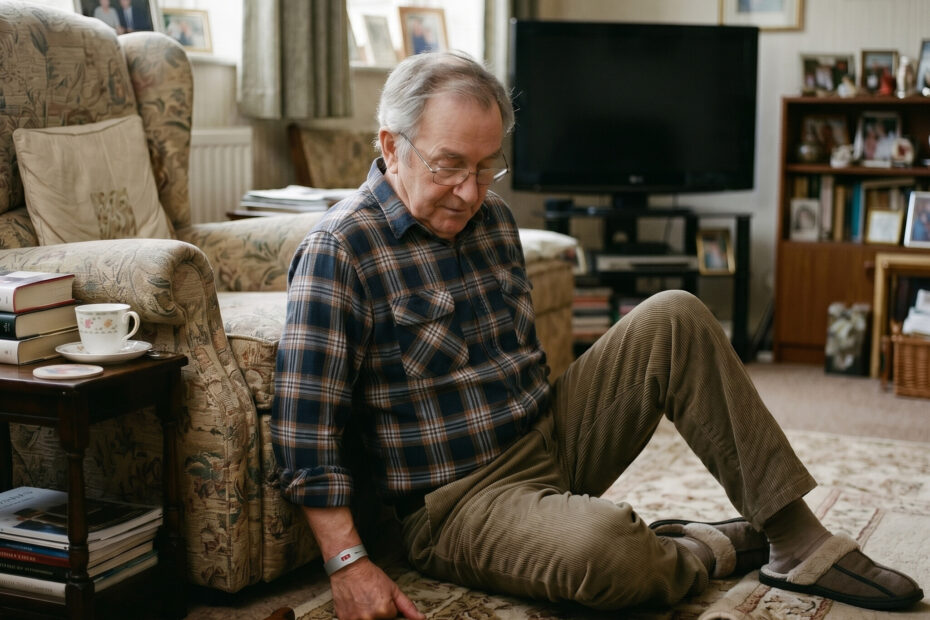
Frequent falls in older adults should never be ignored.
While an occasional trip or stumble can happen to anyone, repeated falls in seniors often signal underlying problems involving balance, strength, mobility, dizziness, medications, or medical conditions.
If an elderly parent is falling frequently, it is important to identify the underlying cause, reduce immediate fall risks, and seek medical evaluation when needed.
Falls can lead to serious injuries, loss of independence, and reduced confidence with walking and daily activities.
The good news is that many causes of frequent falling can be improved with the right combination of exercise, medical management, home safety changes, and mobility support.
How Often Is “Frequent Falling”?
A single fall may not always indicate a serious problem, but repeated falls are more concerning.
Frequent falling may include:
- Multiple falls within several months
- Recurrent stumbling or near-falls
- Increasing difficulty with walking or standing
- Loss of confidence during movement
- Falls occurring without a clear explanation
Even near-falls can indicate declining balance or mobility.
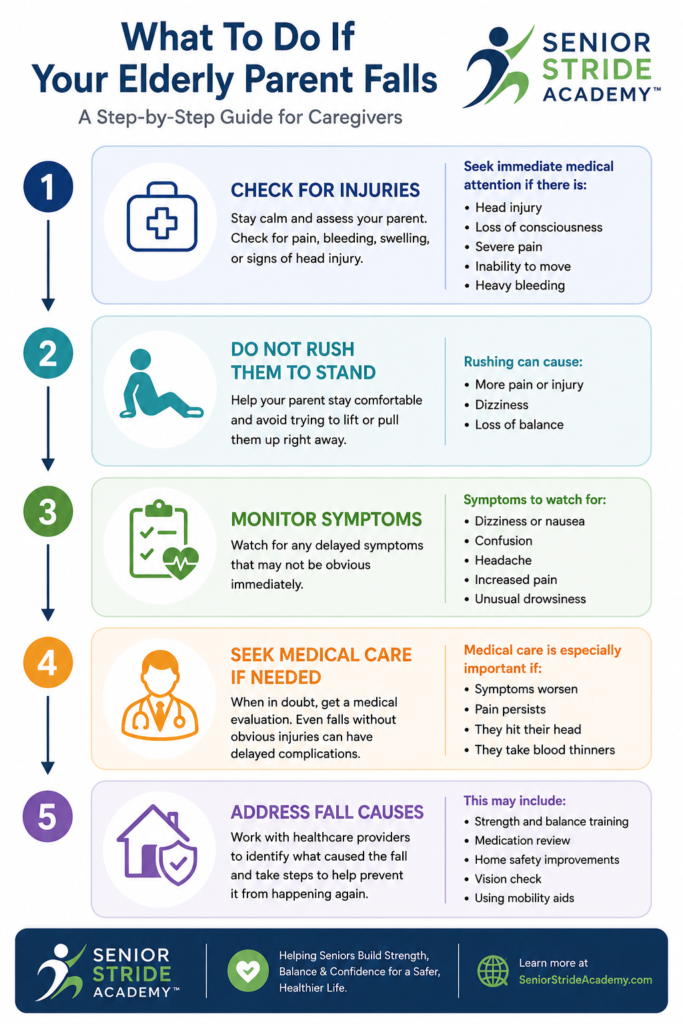
FYI, every fall should be taken seriously, if when a parent says they’re fine – check out this full guide on what to look for after a fall.
Common Reasons Elderly Parents Fall Frequently
Frequent falls in seniors are often caused by multiple factors working together rather than one single issue.
| Cause | How It Increases Fall Risk |
|---|---|
| Muscle weakness | Reduces stability and reaction strength |
| Balance problems | Makes it harder to stay upright during movement |
| Dizziness or low blood pressure | Causes lightheadedness and instability |
| Medication side effects | May cause drowsiness or slowed reactions |
| Poor vision | Makes obstacles and uneven surfaces harder to detect |
| Neurological conditions | Affect coordination and walking |
| Arthritis or joint pain | Alters walking mechanics and balance |
| Fear of falling | Leads to stiff, cautious movement patterns |
Because balance depends on multiple body systems working together, even mild issues in several areas can significantly increase fall risk.
Muscle Weakness and Deconditioning
Weakness in the legs and core muscles is one of the most common contributors to falls in older adults.
As strength declines:
- Walking becomes less stable
- Recovery from balance loss becomes harder
- Reaction time slows
- Fatigue occurs more quickly
Long periods of inactivity can accelerate weakness over time.
Balance Problems
Balance requires coordination between the inner ear, vision, muscles, nerves, and brain.
Even small impairments in these systems can lead to:
- Unsteady walking
- Swaying or staggering
- Frequent stumbling
- Backward or sideways falls
In my experience as a physical therapist, loss of balance usually occurs because of a combination of the factors mentioned above.
This means fixing the problem and reducing fall risk usually involves a multi-faceted approach.
Dizziness and Low Blood Pressure
Seniors who feel dizzy when standing or walking are at much higher risk for falls.
A sudden drop in blood pressure when standing (orthostatic hypotension) is a common cause of this dizziness and it can significantly increase fall risk.
It can also cause feelings of:
- Lightheadedness
- Weakness
- Blurred vision
- Sudden instability
If your parent is feeling any of these symptoms, it’s a good idea to have their blood pressure assessed and monitored with activity.
Medication Side Effects
Many medications can affect:
- Balance
- Alertness
- Blood pressure
- Coordination
This is especially common when seniors take multiple medications at the same time.
Neurological Conditions
Certain neurological disorders can interfere with walking and balance control, including:
- Parkinson’s disease
- Stroke
- Peripheral neuropathy
- Dementia
These conditions often affect posture, coordination, sensation, and reaction time.
Poor Vision
Vision plays a major role in balance and environmental awareness.
Difficulty seeing obstacles, depth changes, or uneven surfaces can significantly increase fall risk.
And unfortunately, seniors often suffer from one or more causes of vision change.
Fear of Falling
After a fall, many seniors begin moving more cautiously due to fear.
Unfortunately, this often leads to:
- Reduced activity
- Muscle weakness
- Stiff movement patterns
- Slower balance reactions
This can create a cycle where fear actually increases fall risk over time.
Warning Signs That Frequent Falls May Be Serious
Frequent falls should always be taken seriously.
But while some falls are related to accidents or mild balance issues, others may signal more serious medical problems that require prompt evaluation.
Frequent falling should be taken especially seriously if there are noticeable changes in strength, walking ability, coordination, alertness, or overall physical function.
Falls That Begin Suddenly
A sudden increase in falls can sometimes indicate an acute medical issue rather than gradual age-related decline.
Sudden falls may be associated with:
- Infection
- Medication changes
- Blood pressure problems
- Neurological conditions
Falls that begin abruptly without a clear explanation should always be evaluated by a medical professional.
Confusion or Changes in Mental Status
Falls associated with confusion, increased forgetfulness, sudden behavior changes, or reduced alertness may signal infection, medication problems, dehydration, or neurological conditions.
Sudden confusion should always be medically evaluated.
Falls Resulting in Injury
Any fall causing head injury, severe pain, inability to stand, or loss of consciousness requires prompt medical attention.
Even falls without obvious injury can sometimes result in delayed complications, especially in older adults.
Any time a senior hits their head during a fall, a medical evaluation is a smart idea.
When in doubt, it’s always better to be safe than sorry.
When To Seek Immediate Medical Attention
Emergency evaluation is important if falls occur alongside:
- Chest pain
- Slurred speech
- Sudden numbness
- Loss of consciousness
These symptoms may indicate a serious medical emergency such as stroke or cardiac problems.
What To Do If an Elderly Parent Is Falling Frequently
Frequent falls should be approached proactively rather than waiting for a serious injury to occur.
Schedule a Medical Evaluation
A healthcare provider can assess for:
- Blood pressure problems
- Medication side effects
- Neurological conditions
- Strength or mobility deficits
- Vision or inner ear issues
Identifying the underlying cause is one of the most important steps.
Improve Home Safety
Simple home changes can reduce fall risk significantly.
Helpful adjustments may include:
- Removing loose rugs
- Improving lighting
- Installing grab bars
- Reducing clutter
- Using non-slip surfaces
Encourage Strength and Balance Exercises
Exercise is one of the most effective ways to reduce fall risk in seniors.
Improving strength and balance can help:
- Stabilize walking
- Improve posture control
- Increase reaction time
- Build confidence with movement
Getting a referral for physical therapy is always a good idea (although as a therapist myself, I’ll admit I’m a bit biased), especially if falls are happening regularly.
But if you’d like to try out a few exercises yourself, check out these safe balance exercises for seniors for more info.
Consider Physical Therapy
Physical therapy can help pin-point the specific causes of falls – especially if your parent qualifies for home health.
As a home health physical therapist, I get to see patients walking and functioning in their own homes and it doesn’t take long to see why a lot of falls are happening.
Unsafe environments, obstacles, pets, poor safety awareness, balance deficits, dizziness… we see it all.
A physical therapist can help determine the causes, but they can also provide a personalized plan to address these issues and reduce fall risk.
Treatment usually involves a combination of exercises working on:
- Strength
- Balance
- Walking mechanics
- Coordination
- Fall recovery strategies
- Reducing fall risk
Many seniors benefit significantly from structured physical therapy.
Options for Increasing Supervision and Support
When an elderly parent begins falling frequently, families often worry about how to keep them safe while still maintaining as much independence as possible.
The right level of supervision depends on:
- Fall frequency
- Severity of injuries
- Mobility limitations
- Cognitive function
- Overall medical status
In many cases, increasing support early can help prevent serious injuries and reduce caregiver stress.
Family Assistance and Check-Ins
Some older adults benefit from increased involvement from family members or close friends.
Helpful strategies may include:
- More frequent visits or phone calls
- Assistance with shopping or household tasks
- Walking supervision during higher-risk activities
- Medication reminders and monitoring
Even small increases in daily support can improve safety and confidence.
In-Home Care Services
Home caregivers or aides can assist with:
- Mobility and transfers
- Bathing and dressing
- Meal preparation
- Medication management
- Supervision during walking
For seniors with repeated falls, having someone present during portions of the day may significantly reduce injury risk.
Medical Alert Systems
Medical alert devices can help seniors quickly call for assistance after a fall.
Many systems now include:
- Fall detection technology
- Emergency call buttons
- GPS tracking
- Mobile monitoring options
These systems may provide reassurance for both seniors and caregivers, especially when a parent lives alone.
Assisted Living or Higher Levels of Care
In some situations, frequent falls may indicate that living alone is becoming unsafe.
Signs that additional care may be needed include:
- Repeated injuries from falls
- Difficulty getting up after falling
- Cognitive decline
- Unsafe walking despite assistive devices
- Inability to manage daily activities safely
Assisted living or supportive care environments may provide improved supervision, safer mobility support, and quicker access to help if falls occur.
Balancing Safety and Independence
Many seniors fear losing independence after repeated falls, which can make conversations about supervision difficult.
Whenever possible, caregivers should aim to:
- Involve the older adult in decision-making
- Focus on safety rather than restriction
- Encourage independence within safe limits
- Support continued physical activity and mobility
The goal is not simply preventing falls, but helping older adults remain as active, confident, and independent as possible while reducing injury risk.
Final Thoughts
Frequent falls in an elderly parent are often a sign that balance, strength, mobility, or medical health needs closer attention.
While falls are common in older adults, they should never be considered a normal or unavoidable part of aging.
In many cases, the underlying causes can be identified and improved.
The earlier balance problems and mobility changes are addressed, the better the chances of preventing serious injuries and maintaining long-term independence.
FAQ
Why does my elderly parent keep falling?
Frequent falls in seniors are commonly caused by weakness, balance problems, dizziness, medication side effects, neurological conditions, or poor vision.
When should frequent falls be a concern?
Falls should be evaluated if they are happening repeatedly, worsening, causing injuries, or occurring alongside dizziness, weakness, or confusion.
Can dehydration cause falls in seniors?
Yes! Dehydration can contribute to dizziness, weakness, low blood pressure, and instability.
Can physical therapy help reduce falls?
Yes! Physical therapy can improve strength, balance, walking mechanics, and overall stability.
Are falls a normal part of aging?
No. While balance may change with age, repeated falls should never be considered normal and should always be evaluated.