Falls are one of the most serious health risks facing older adults, and the risk becomes even greater for seniors living alone.
Without immediate support nearby, a simple slip or loss of balance can quickly turn into a medical emergency.
According to the Centers for Disease Control and Prevention, millions of older adults experience falls each year and many of these incidents are preventable with the right safety measures in place.
Even small risks like poor lighting, loose rugs, or reduced leg strength can significantly increase the chance of a fall over time.
The good news is that most fall risks can be reduced with practical, realistic changes.
This guide breaks down exactly how to make the home safer, improve balance and strength, and create a simple plan to reduce fall risk for seniors living alone.
Why Seniors Living Alone Are at Higher Risk
Seniors who live alone face a higher risk of falls compared to those who live with family, caregivers, or in assisted living environments.
This increased risk is not due to a single factor, but rather a combination of environmental, physical, and response-related challenges that can make both falls and their consequences more serious.
Lack of Immediate Help After a Fall
One of the most serious risks is the absence of immediate assistance.
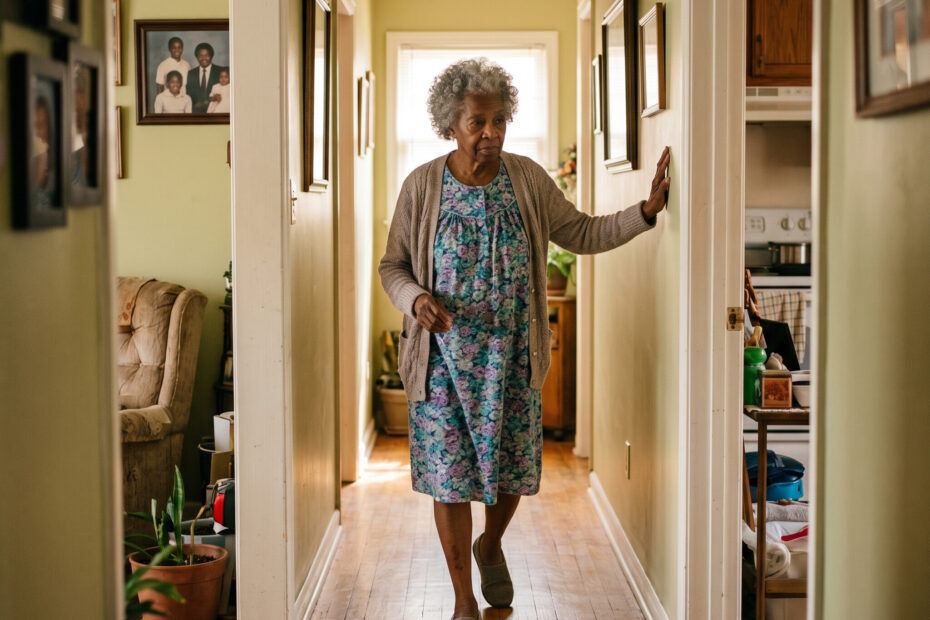
If a senior loses balance, feels dizzy, or experiences a fall, there may be no one nearby to help.
And even a non-injurious fall can become dangerous if the individual is unable to stand, reach a phone, or call for help.
Delayed assistance increases the risk of complications such as dehydration, pressure injuries from prolonged floor time, confusion, or worsening of underlying medical conditions.
Home Hazards Go Unnoticed or Unaddressed
Living alone often means fewer external checks on home safety.
Small hazards can accumulate over time, including loose rugs, cluttered walkways, uneven flooring, poor lighting, and slippery bathroom surfaces.
Without another person regularly noticing and correcting these risks, they can persist indefinitely. These seemingly minor issues are among the most common contributors to preventable falls.
Reduced Physical Activity and Declining Strength
Seniors who live alone may experience lower daily activity levels due to reduced social engagement or lack of structured routines.
Over time, this can lead to muscle weakness, particularly in the legs, hips, and core muscles that are essential for balance and stability.
Reduced activity also affects reaction time and coordination, making it harder to recover from slips or sudden shifts in posture.
Medication Mismanagement and Side Effects
Managing medications independently increases the risk of errors such as missed doses, double dosing, or incorrect timing.
Certain medications – especially those for blood pressure, anxiety, sleep, or pain – can also cause side effects like dizziness, fatigue, confusion, or sudden drops in blood pressure when standing.
Without someone else observing changes, these side effects may go unnoticed until they contribute to a fall.
Vision, Hearing, and Sensory Decline
Age-related changes in vision and hearing can make it harder to detect environmental hazards.
Reduced depth perception, poor contrast sensitivity, or difficulty hearing warning sounds (such as approaching footsteps or falling objects) can all increase fall risk.
These challenges become more significant when navigating unfamiliar or poorly lit areas without assistance.
Fear of Falling and Activity Avoidance
After experiencing a fall or near-fall, many seniors develop a fear of falling again.
This often leads to reduced movement, hesitation, and avoidance of daily activities such as walking, bathing, or using stairs.
While this may feel like a protective behavior, it can lead to a cycle of deconditioning where reduced activity leads to weaker muscles and poorer balance, ultimately increasing fall risk further.
Common Causes of Falls in Older Adults
Understanding the root causes of falls can help when it comes to prevention.
| Cause | Description |
|---|---|
| Poor balance | Age-related decline in vestibular and muscle function |
| Muscle weakness | Especially in legs and core |
| Medication side effects | Dizziness, drowsiness, or blood pressure drops |
| Vision impairment | Difficulty seeing obstacles or uneven surfaces |
| Home hazards | Loose rugs, clutter, poor lighting |
| Chronic conditions | Arthritis, diabetes, neurological disorders |
How to Prevent Falls at Home
Preventing falls in seniors living alone works best when approached as a system rather than a single change.
The goal is to reduce environmental hazards, improve physical stability, and ensure help is available in case of an emergency.
Below is a practical, layered approach that addresses the most important risk factors first.
Start With a Room-by-Room Home Safety Check
Most falls happen at home, so the first step is removing hidden hazards in every room.
In living areas and bedrooms:
- Remove loose rugs or secure them with non-slip backing
- Clear clutter from walkways, especially near furniture corners and doorways
- Keep commonly used items within easy reach to avoid bending or climbing
- Ensure furniture is stable and not used for support when walking
In kitchens:
- Store frequently used items at waist-to-shoulder height
- Wipe up spills immediately to prevent slippery floors
- Avoid standing on chairs or unstable surfaces to reach cabinets
In hallways and entryways:
- Keep paths completely clear, even for “temporary” items like bags or shoes
- Avoid cords running across walking paths or secure them along walls
The goal is simple: create clear, predictable walking paths throughout the home.
Upgrade Lighting to Eliminate Low-Visibility Risks
Poor lighting is one of the most underestimated causes of falls. Even strong balance cannot compensate for not seeing obstacles clearly.
Key improvements include:
- Brighter LED bulbs in all main rooms
- Night lights in hallways, bathrooms, and bedrooms
- Motion-sensor lighting for nighttime bathroom trips
- Consistent lighting from room to room to avoid sudden darkness transitions
- Extra lighting on stairs and entryways
If a senior avoids certain areas at night due to darkness, that is a clear sign lighting needs improvement.
And improving lighting is a quick and easy way to instantly reduce fall risk at nighttime.
Make Bathrooms a High-Priority Safety Zone
Bathrooms are one of the highest-risk areas for falls due to wet surfaces and frequent position changes.
Essential safety upgrades:
- Install grab bars near toilets and inside showers
- Use non-slip mats inside and outside the tub or shower
- Consider a shower chair for added stability during bathing
- Use a handheld shower head if standing is difficult
- Ensure towels and essentials are within arm’s reach before bathing
Even one slip in the bathroom can have serious consequences, so this area should be prioritized first.
Improve Strength and Balance With Daily Movement
Physical stability is one of the strongest predictors of fall risk. Even small daily routines can make a meaningful difference.
As a physical therapist, I stress the importance of staying active and exercising regularly to all my patients and I really can’t stress it enough.
Unfortunately, the whole ‘use it or lose it’ thing is real.
Fortunately, it’s never too late to improve strength and balance.
There are simple balance exercises that many seniors can do safely at home that can help maintain and improve everyday safety.
Keep in mind that improving balance takes time and consistency usually matters more than intensity.
Even 10–15 minutes per day can improve coordination and confidence over time.
For a step-by-step plan, our Strong & Steady 21-Day Balance Program walks you through gentle, progressive exercises designed by a physical therapist to help prevent falls.
Review Medications That May Affect Balance
Some medications increase fall risk by affecting alertness, blood pressure, or coordination.
Common contributors include:
- Blood pressure medications
- Sleep aids
- Anti-anxiety medications
- Certain pain medications
- Multiple medications taken together (polypharmacy risk)
A regular medication review with a healthcare provider or pharmacist can identify adjustments that may reduce dizziness or fatigue without compromising treatment goals.
Use Proper Footwear Indoors and Outdoors
Footwear plays a major role in preventing slips and improving stability.
Best practices:
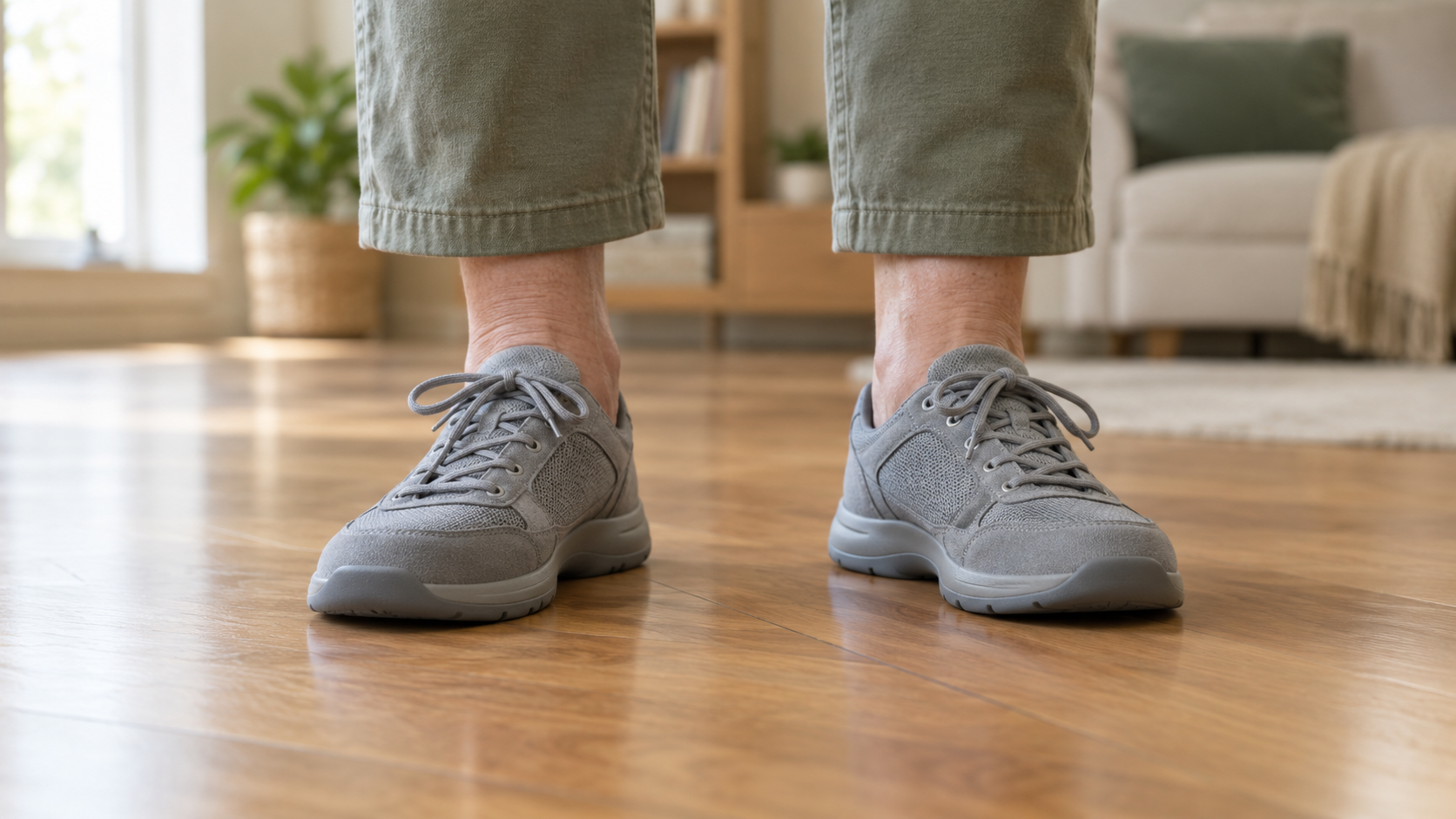
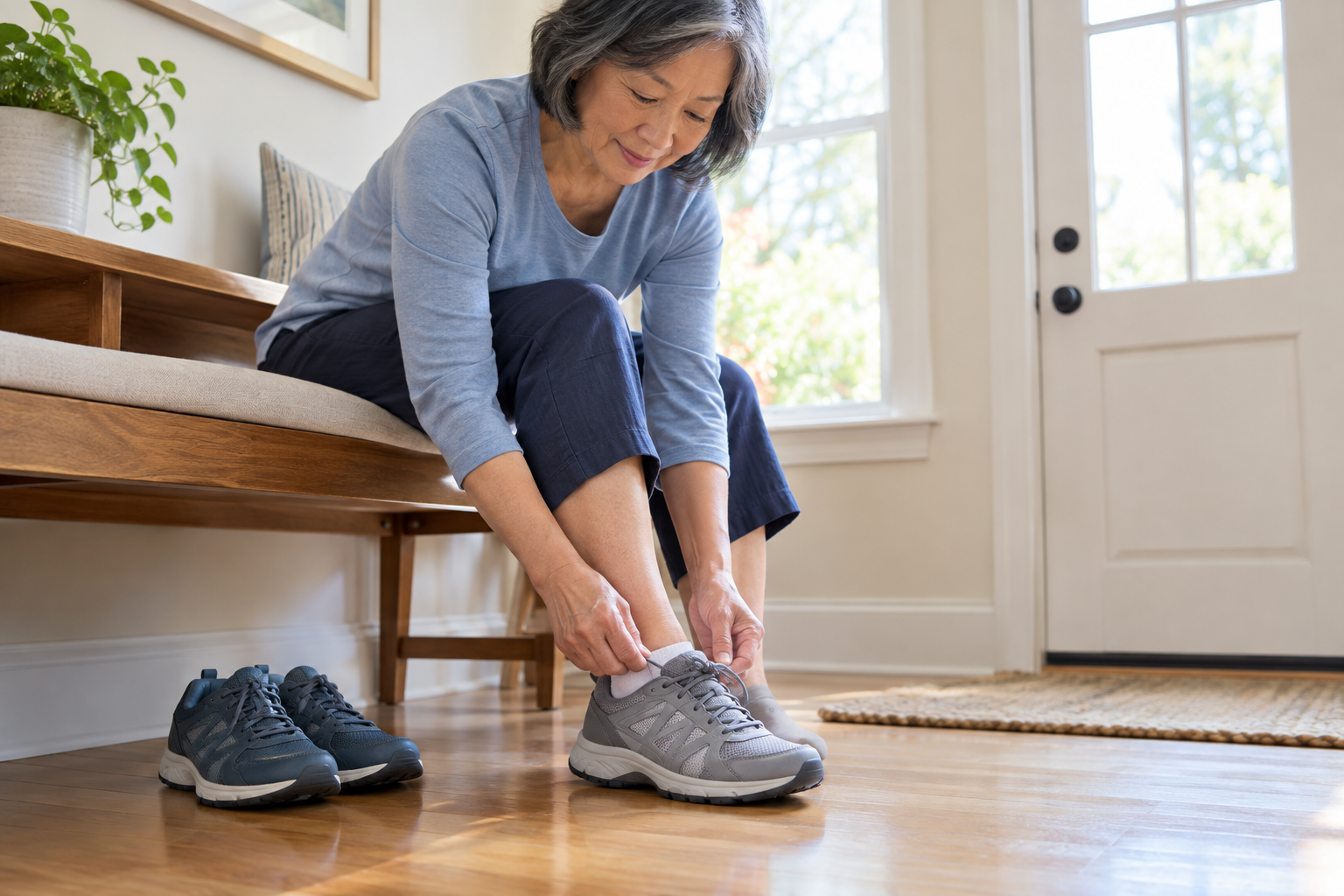
- Wear shoes with non-slip soles even indoors if floors are smooth
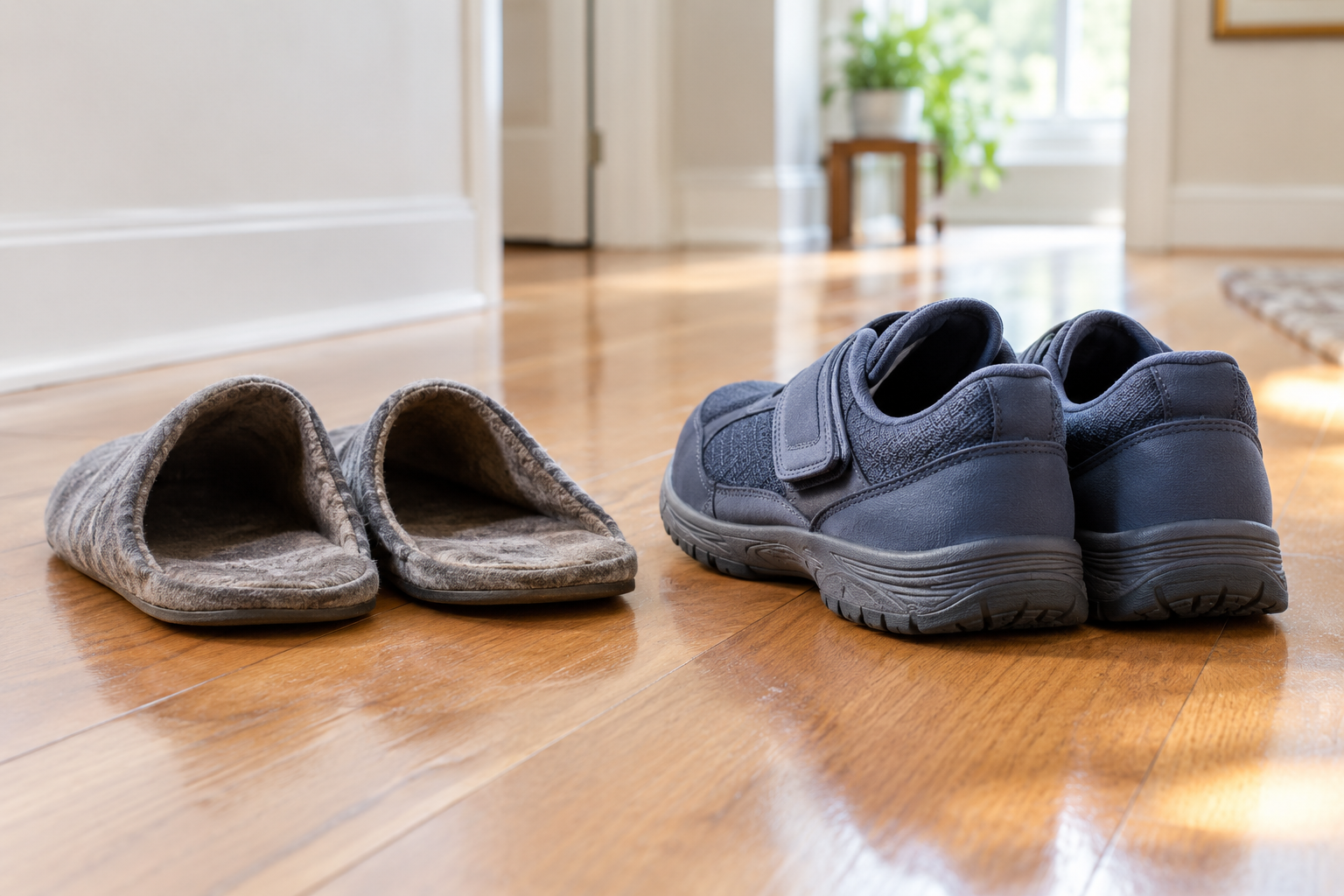
- Avoid loose slippers or backless footwear
- Avoid walking in socks on hardwood or tile floors
- Choose supportive shoes with a firm heel and stable base
Good footwear acts as a constant layer of protection during movement.
Add Assistive and Support Tools Before They Become Necessary
Assistive devices should be viewed as proactive safety tools, not last-resort options.
Helpful tools include:
- Canes or walkers for stability during walking
- Grabbers/reachers to avoid unsafe bending
- Shower chairs for bathing safety
- Bed rails or arm supports for getting in and out of bed
Using support early often prevents the first fall, which is typically the most important one to avoid.
Create a Reliable Emergency Response Plan
For seniors living alone, fall prevention also means planning for what happens if a fall occurs.
Key elements include:
- Keeping a phone within reach at all times
- Using a medical alert system or wearable emergency device
- Posting emergency contacts in visible locations
- Keeping a list of medications accessible for responders
- Ensuring doors can be opened easily by emergency personnel
The faster help arrives after a fall, the better the outcomes tend to be.
Final Thoughts
Preventing falls in seniors living alone is not about limiting independence – it’s about preserving it.
It’s also important to recognize that fall risk is not static – it changes over time as health, mobility, medications, and vision change.
A home that feels safe today may gradually become riskier if small hazards are introduced or if strength and balance decline.
This is why regular check-ins, both with the living environment and with physical health, are so important for seniors who live independently.
And caregivers, I know it can be hard, but it’s up to you to let your seniors know when something needs to be changed.
If a parent or loved one is falling frequently, something needs to be done.
The good news though, is that with the right combination of home safety improvements, strength training, and awareness, fall risk can be significantly reduced.
That said, the truth is that some seniors aren’t safe living alone anymore and in these cases, additional support or a change in living environment are necessary.
Small changes today can prevent serious injuries tomorrow.
If you’re not sure if your parent should be living alone, check out full guide on how to tell if a senior is safe living by themselves.
Frequently Asked Questions (FAQ)
What is the leading cause of falls in seniors living alone?
The most common causes include a combination of poor balance, muscle weakness, medication side effects, and environmental hazards such as clutter or poor lighting. And according to the National Institutes of Health (NIH), most falls occur in the bedroom, bathroom, and stairs.
How can seniors living alone reduce fall risk quickly?
Quick improvements include removing tripping hazards, improving lighting (especially at night), wearing non-slip footwear, and adding grab bars in bathrooms. Even small home modifications can significantly reduce risk.
Are falls a normal part of aging?
Falls are not a normal or inevitable part of aging. While age-related changes can increase risk, most falls are preventable with proper strength training, home safety adjustments, and medication management.
When should a senior be evaluated for fall risk?
A medical evaluation is recommended if a senior has experienced a fall, frequent stumbling, dizziness when standing, or increasing difficulty walking. Early assessment can help prevent future injuries.
What is the most important safety upgrade for seniors living alone?
Bathroom safety improvements – such as grab bars, non-slip mats, and proper lighting – are often the most impactful because bathrooms are one of the highest-risk areas for falls.
Should seniors living alone use assistive devices?
Yes, if recommended or if balance is unstable. Devices like canes, walkers, or shower chairs can significantly improve safety and independence rather than reduce it.