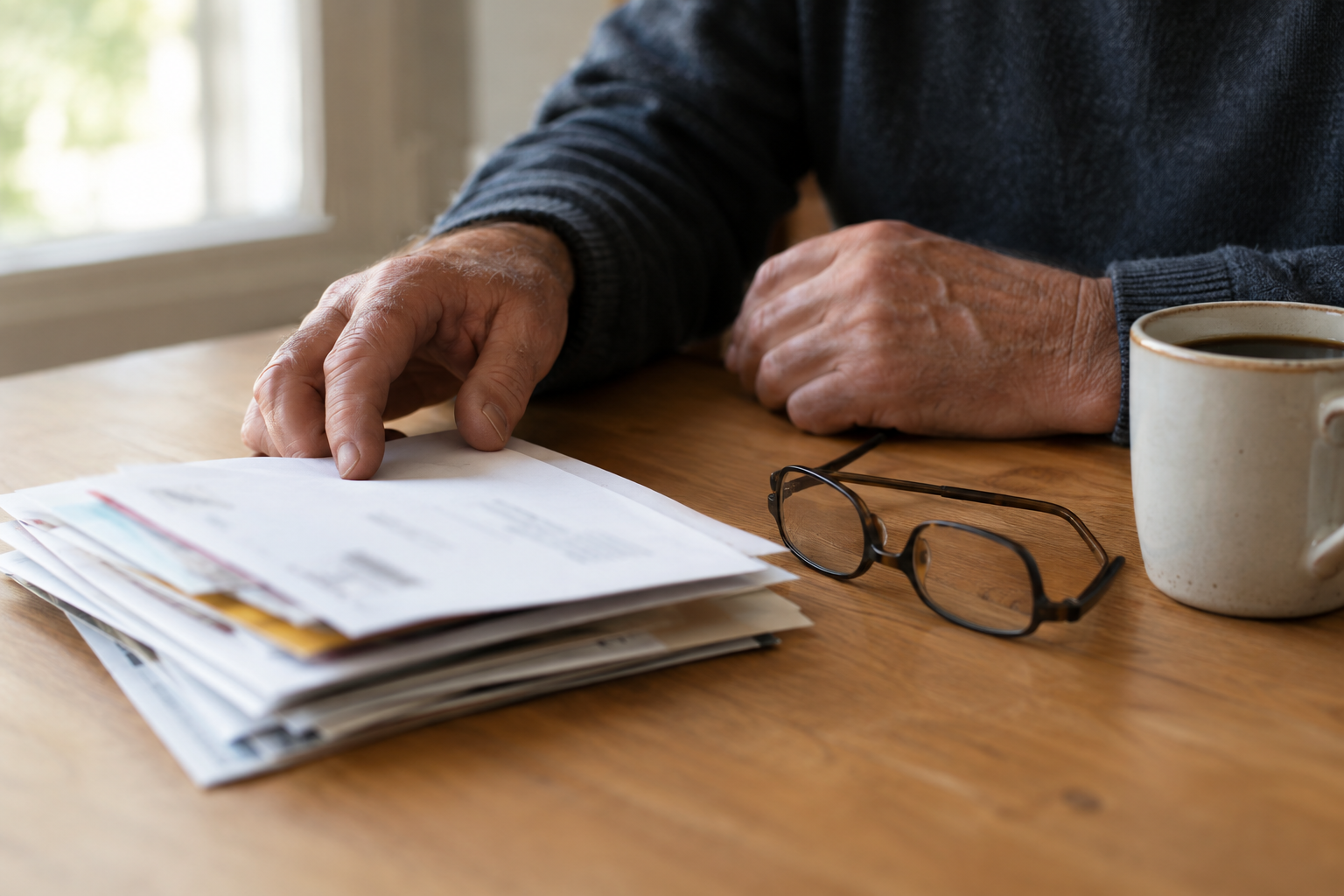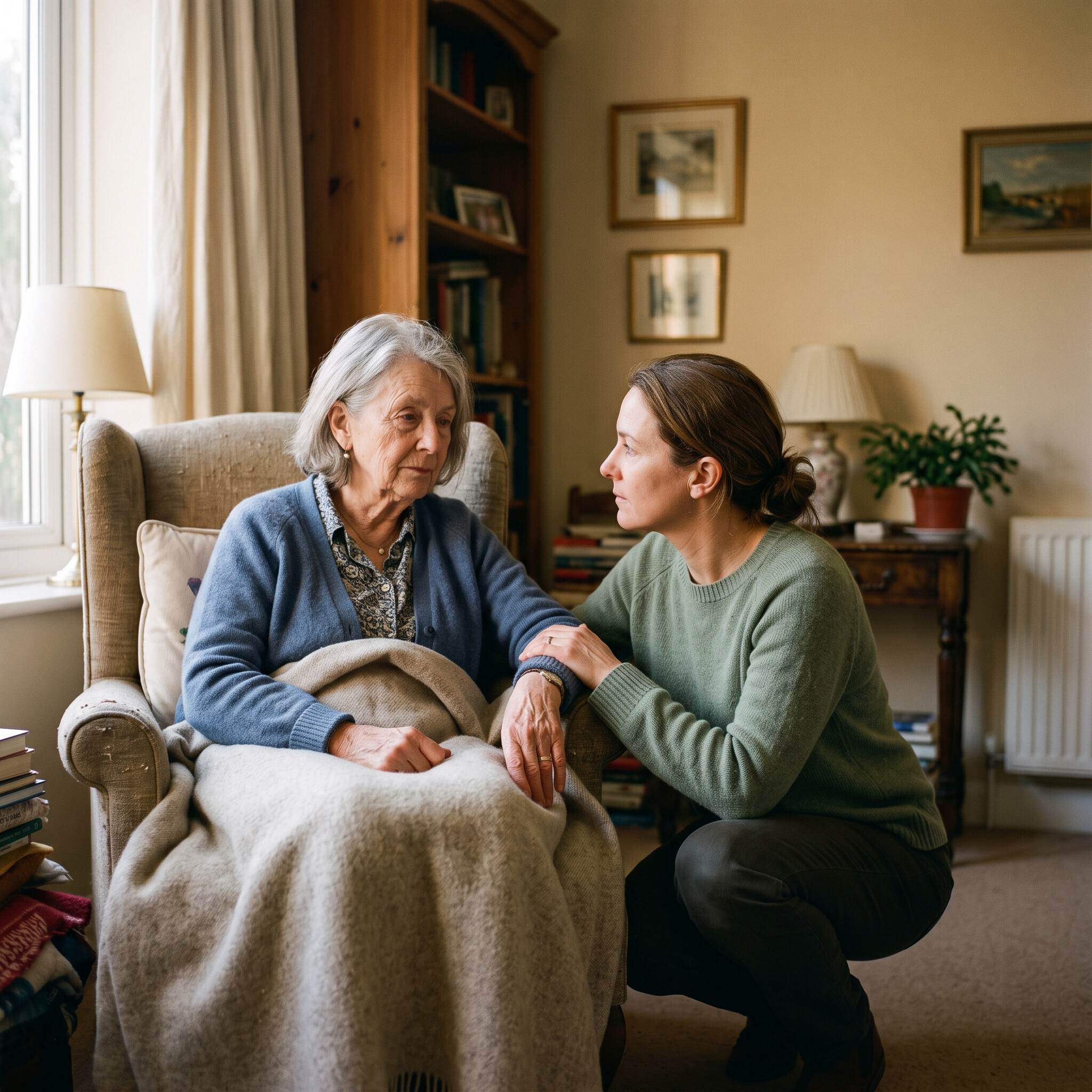
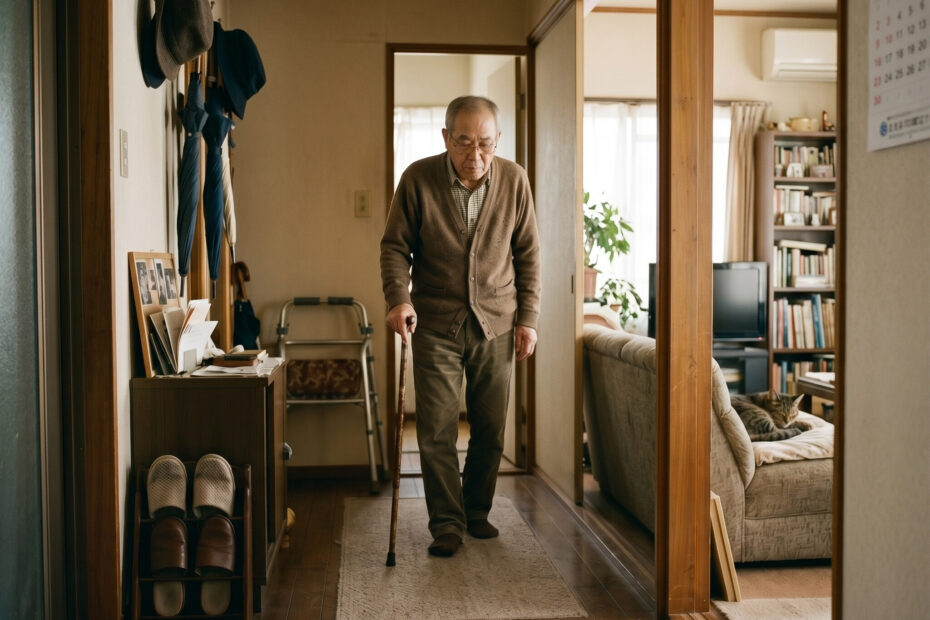
Fear of falling is one of the most common – and most overlooked – issues affecting older adults.
Even seniors who have never experienced a serious fall may begin avoiding stairs, walking outdoors, exercising, or participating in social activities because they worry about losing balance.
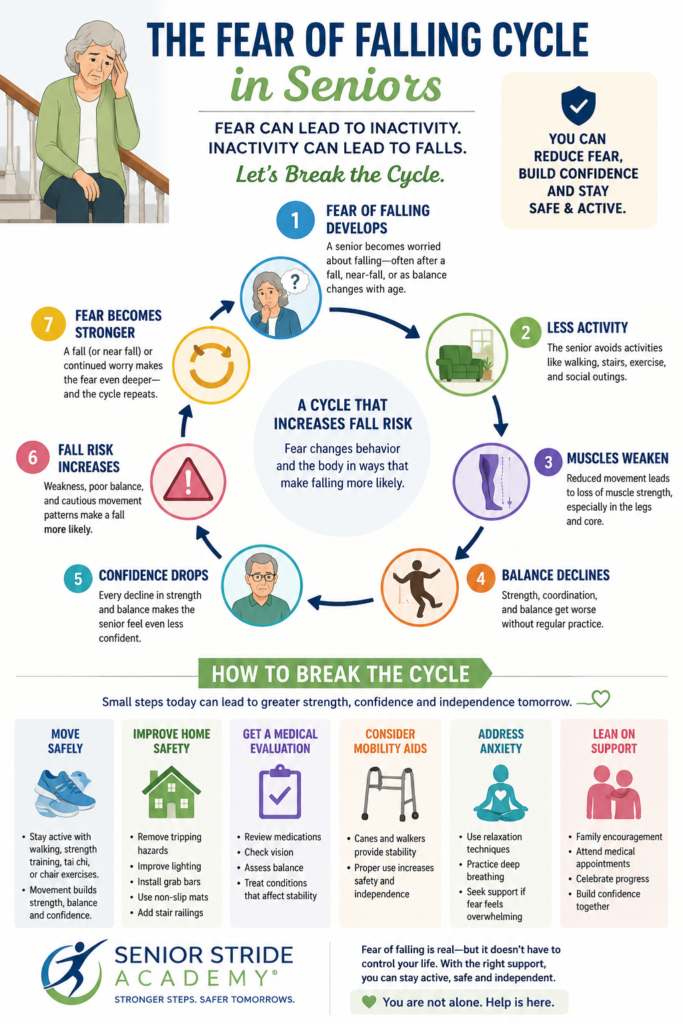
Unfortunately, this fear can create a dangerous cycle – the less active a senior becomes, the weaker their muscles and balance often get, which can actually increase fall risk over time.
Understanding why fear of falling develops and how families can respond is essential for protecting both physical safety and emotional well-being.
What Is Fear of Falling?
Fear of falling is an ongoing concern about losing balance or getting injured during everyday activities.
In some cases, the fear develops after a previous fall.
In others, it appears gradually as mobility, strength, vision, or confidence changes with age.
Some seniors become cautious but continue living normally. Others, however, begin limiting activities so significantly that their independence, health, and quality of life suffer.
This condition is sometimes called “post-fall syndrome” or “fall anxiety,” especially when the fear becomes severe enough to interfere with daily life.
Why Fear of Falling Matters
Many people assume fear of falling is simply part of aging, but it can have serious consequences.
When seniors avoid movement, they often experience:
- Muscle weakness
- Reduced balance and coordination
- Joint stiffness
- Lower endurance
- Increased isolation
- Depression or anxiety
- Loss of independence
Ironically, avoiding movement can increase the likelihood of future falls.
Fear of falling often affects the way seniors walk as well – as a physical therapist, I see patients all the time that shuffle when they walk because they think if they pick their feet up higher, they’re more likely to fall.
This is ironic because the shuffling pattern they’re adopting actually makes them more likely to trip and fall.
Common Causes of Fear of Falling in Seniors
Fear of falling usually develops from a combination of physical, emotional, and environmental factors.
Previous Falls or Injuries
A past fall is one of the strongest predictors of future fear.
Even minor incidents can leave lasting anxiety, especially if the senior experienced pain, embarrassment, or hospitalization.
Some older adults become fearful after witnessing a spouse or friend fall as well.
FYI, every fall should be taken seriously, even if a parent reports they’re fine afterwards – for more info, check out everything caregivers should look for after a senior falls.
Declining Balance and Mobility
As people age, balance naturally changes due to:
- Muscle loss
- Slower reflexes
- Joint problems
- Reduced flexibility
- Inner ear changes
Seniors often notice these changes during activities like climbing stairs, standing from chairs, or walking on uneven surfaces.
Medication Side Effects
Many medications can contribute to dizziness, drowsiness, or balance problems.
Common culprits include:
- Sleep medications
- Blood pressure medications
- Anti-anxiety drugs
- Sedatives
- Certain antidepressants
Seniors taking multiple medications may face even greater fall concerns because medications can interact with each or they may feel multiple side effects at once.
Loss of Strength and Physical Activity
Reduced activity leads to weaker muscles and poorer coordination.
Over time, seniors may feel increasingly unstable, especially when walking longer distances or navigating unfamiliar environments.
This loss of strength can make seniors feel less stable when moving around, creating a fear of falling.
Environmental Hazards
Unsafe living spaces can make fear worse. Common household concerns include:
- Loose rugs
- Poor lighting
- Cluttered walkways
- Slippery bathrooms
- Lack of stair railings
Even small hazards can significantly affect a senior’s confidence.
As a physical therapist, one of my biggest jobs is helping reduce fall risk and clearing up living spaces is one of the fastest ways to do this.
Signs a Senior Has Developed a Fear of Falling
Families often notice behavioral changes before seniors openly discuss their fears.
After all, talking about fall risk can be difficult because seniors may fear losing independence of being removed from their homes.
Sometimes family members have to look for the signs that a parent may be developing a fear of falling (especially if no falls have happened yet).
Common Warning Signs
| Sign | What It May Indicate |
|---|---|
| Avoiding stairs | Reduced confidence in balance |
| Holding onto furniture while walking | Fear of instability |
| Refusing to leave home | Anxiety about falling in public |
| Avoiding showers or baths | Concern about slippery surfaces |
| Walking unusually slowly | Increased caution and insecurity |
| Declining social invitations | Fear of walking or navigating unfamiliar places |
| Hesitation when standing up | Worry about dizziness or imbalance |
Some seniors may deny being afraid while still quietly limiting activities.
Emotional Effects of Fear of Falling
The emotional impact can be just as serious as the physical effects.
Older adults dealing with persistent fall anxiety may experience:
- Embarrassment
- Frustration
- Depression
- Loneliness
- Loss of confidence
- Increased dependence on family members
Over time, fear can dramatically shrink a senior’s world.
How Fear of Falling Can Actually Increase Fall Risk
Many seniors believe that moving less will automatically keep them safer.
While being cautious is understandable, excessive fear of falling can unintentionally increase the likelihood of a future fall.
This happens because fear changes both the body and the mind in ways that affect balance, coordination, strength, and reaction time.
Reduced Physical Activity Leads to Weakness
One of the biggest problems is inactivity.
When seniors begin avoiding walks, stairs, exercise, or daily activities because they fear falling, their muscles gradually weaken.
This is especially true in the legs and core, which are essential for balance and stability.
Over time, inactivity can lead to:
- Loss of muscle strength
- Reduced flexibility
- Poor endurance
- Slower reflexes
- Decreased coordination
As strength declines, normal activities like standing up from a chair or stepping over small obstacles become more difficult and dangerous.
Balance Often Worsens Without Practice
Balance is a skill that needs regular use.
Seniors who stop moving confidently may lose the ability to react quickly when they trip, stumble, or encounter uneven surfaces.
For example, a senior who rarely walks outdoors may become less comfortable navigating curbs, sidewalks, or crowds – this reduced exposure can make unfamiliar environments feel even more intimidating over time.
The body essentially becomes less prepared to handle movement challenges safely.
Check out our comprehensive 21-day balance program for seniors for an effective balance routine that can be completed from the comfort of home.
Fear Changes the Way Seniors Walk
Anxiety about falling often causes older adults to adopt unnatural walking patterns that can increase instability.
A fearful senior may:
| Walking Change | Why It Can Increase Fall Risk |
|---|---|
| Take very short steps | Reduces normal walking rhythm and stability |
| Shuffle feet | Increases tripping hazards |
| Walk stiffly | Limits natural balance corrections |
| Avoid swinging arms | Reduces coordination and balance support |
| Lean heavily on furniture | Encourages unstable movement patterns |
| Freeze during movement | Raises risk during transfers or turns |
These cautious movements may feel safer, but they can actually reduce balance efficiency.
Slower Reactions Make Recovery Harder
Confident movement helps the body respond quickly to slips or sudden shifts in balance.
When fear is present, seniors may hesitate or “freeze” instead of reacting naturally. Even a brief delay can make it harder to recover from a stumble before a fall occurs.
This is especially dangerous on stairs, uneven surfaces, or slippery floors.
Social Isolation Can Accelerate Decline
Some seniors begin avoiding social outings, exercise classes, shopping trips, or hobbies because they fear falling in public.
Unfortunately, isolation can contribute to:
- Faster physical decline
- Depression
- Reduced activity levels
- Lower overall mobility
- Loss of independence
The combination of physical weakness and emotional withdrawal can significantly increase long-term fall risk.
Why Early Intervention Matters
The earlier fear of falling is addressed, the easier it is to rebuild confidence and mobility.
Even small improvements – such as daily walks, strength exercises, physical therapy, or safer home environments – can help seniors regain trust in their ability to move safely.
In many cases, the goal is not eliminating caution entirely – after all, healthy caution is important.
The goal is helping seniors stay active and confident enough to maintain strength, balance, and independence over time.
Solutions for Reducing Fear of Falling
The good news is that fear of falling can often improve with the right combination of support, medical care, exercise, and home modifications.
Encourage Safe Physical Activity
Movement is one of the most effective ways to rebuild confidence.
The stronger and more mobile a senior feels, the more comfortable (and confident) they are going to feel while walking.
Consistency matters more than intensity.
Schedule a Medical Evaluation
A healthcare provider can identify hidden contributors to instability and fear.
An evaluation may include:
- Medication review
- Vision testing
- Balance assessment
- Neurological examination
- Blood pressure monitoring
- Mobility testing
Treating underlying medical issues can significantly improve confidence.
Improve Home Safety
Simple home modifications can make seniors feel safer almost immediately.
Many seniors become more confident once their environment feels safer, even if they didn’t recognize how unsafe their home was to begin with.
Removing clutter, keeping walkways clear, and removing throw rugs can go a long way in improving safety and improving confidence.
Consider Mobility Aids
Canes and walkers are often viewed negatively at first, but properly fitted mobility aids can increase independence rather than reduce it.
A physical therapist can recommend the safest option and teach proper use.
Keep in mind, reducing fear of falling is all about improving confidence – and if an assistive device makes a senior feel safer, improved confidence will come with time.
Address Anxiety and Emotional Health
Sometimes fear becomes severe enough to require emotional support.
Helpful strategies may include:
- Counseling or therapy
- Support groups
- Gradual exposure to feared activities
- Relaxation techniques
- Encouragement from family members
Avoid dismissing fears with statements like “just be careful” or “don’t worry about it.” Validation and practical support are usually more effective.
How Family Members Can Help
Families play a major role in helping seniors regain confidence after developing a fear of falling.
One of the most important things family members can do is encourage safe movement instead of complete avoidance.
While it may seem protective to limit activity, too much inactivity can worsen weakness and balance problems over time. Gentle daily movement, short walks, or guided exercise can help seniors rebuild confidence gradually.
Listening without judgment is equally important.
Many older adults feel embarrassed admitting they are afraid of falling because they worry it signals a loss of independence.
Allowing them to openly discuss concerns without dismissing their fears helps reduce anxiety and builds trust.
Attending medical appointments can also be helpful because healthcare providers may uncover issues related to medications, balance disorders, vision problems, or muscle weakness that contribute to fall anxiety.
Progress is often gradual, so celebrating small victories matters.
A senior who begins walking more confidently, participating in activities again, or navigating stairs more comfortably may slowly regain both physical ability and self-assurance.
What Families Should Avoid
Some responses can unintentionally worsen fear of falling or reduce confidence.
Families should avoid:
- Criticizing overly cautious behavior
- Pressuring seniors to move faster than they feel comfortable
- Taking over tasks the senior can still safely perform
- Ignoring concerns about balance or dizziness
- Becoming excessively overprotective
While safety is important, too much restriction can increase dependence, reduce confidence, and contribute to further physical decline..
When Fear of Falling Becomes Serious
Professional help may be needed if a senior:
- Stops leaving the home
- Becomes mostly sedentary
- Experiences repeated falls
- Shows signs of depression
- Refuses necessary daily activities
- Develops severe anxiety about movement
Early intervention is important because long-term inactivity can rapidly reduce strength and mobility.
Final Thoughts
Fear of falling in seniors is far more than simple worry. It can affect physical health, emotional well-being, confidence, and independence.
The encouraging news is that fear of falling is often manageable with the right support system.
Safe exercise, medical evaluations, home safety improvements, and compassionate encouragement can help older adults regain both confidence and mobility.
But I’m going to be honest, it takes time.
If a senior has had a fall (or multiple) it’s going to take longer for that fear to disappear.
But regaining that confidence will come back with time and success – the longer they can go without another fall, the more that fear is going to disappear.
So the goal should be to make our seniors as safe and comfortable as possible in their homes – this wil promote success and help reduce the unwanted fear.