As a home health physical therapist, I get asked about treadmills a lot from my patients.
And my answer is always the same: it depends entirely on who’s standing on it.
A treadmill in the home of a steady 72-year-old who walks two miles a day is a fine piece of equipment.
The same treadmill in the home of an 82-year-old who uses a cane and had a fall last spring is a hazard sitting in the spare bedroom.
The machine doesn’t change – the person does.
So let’s go through what the injury data actually shows, who should stay off a treadmill entirely, and the specific rules that make treadmill walking safe for seniors.
The Short Answer
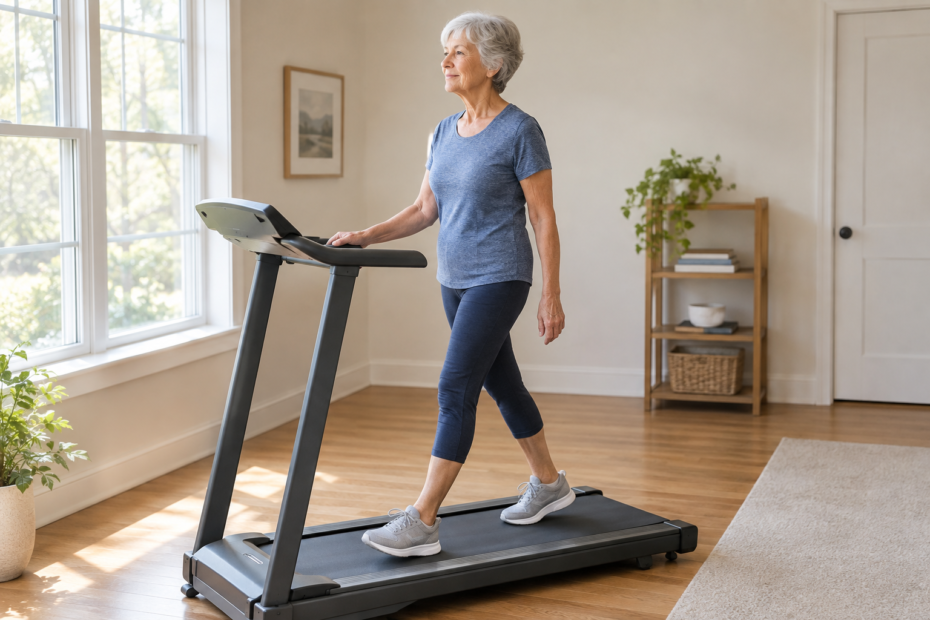
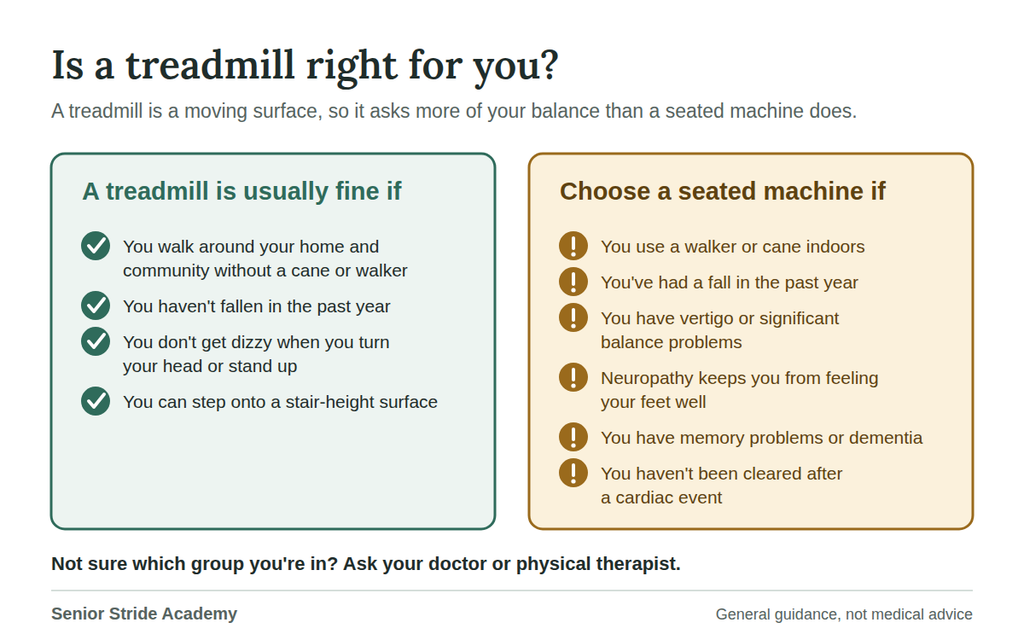
A treadmill is usually safe if: you walk around your home and community without a cane or walker, you haven’t fallen in the past year, you don’t get dizzy when you turn your head or stand up, and you can step onto a surface about the height of a stair.
A treadmill is probably not the right choice if: you use a walker or cane indoors, you’ve fallen in the past year, you have vertigo or significant balance problems, you have memory problems, or you have neuropathy severe enough that you can’t feel your feet well.
If you’re in the second group, that’s not the end of home cardio. It’s a reason to pick a machine you can’t fall off of.
What the Injury Data Actually Shows
Treadmills send more people to the emergency room than any other piece of exercise equipment.
In one analysis of national injury data, treadmills accounted for about 35% of all exercise-equipment injuries reported to the surveillance system, more than stationary bikes and bench presses combined.
Although to be fair, in that study, a good share of the treadmill injuries involved children playing with a machine they shouldn’t have had access to.
But two findings matter more for older adults than the raw totals.
First, the injuries get worse with age. A study of treadmill-associated head injuries found that patients over 50 were roughly 14 times more likely to be admitted to the hospital than younger patients with similar injuries.
Earlier research on home exercise equipment found the same pattern: adults 65 and older had higher odds of being admitted rather than treated and released.
Second, falls from a treadmill aren’t like falls at home.
A fall in your kitchen happens at zero miles per hour. A fall on a treadmill happens onto a moving belt that keeps running, which is why treadmill falls produce friction burns and head injuries that ordinary household falls don’t.
Here’s the part nobody publishes: we don’t know the denominator.
These numbers count injuries, not the millions of safe treadmill sessions that happen every day.
Treadmills aren’t dangerous in the way a ladder on a wet driveway is dangerous.
They’re a piece of equipment where the consequences of a lapse are higher than most people expect, and where the margin gets thinner with age.
That’s an argument for choosing carefully and using it correctly, not for avoiding treadmills entirely.
Who Should Stay Off a Treadmill
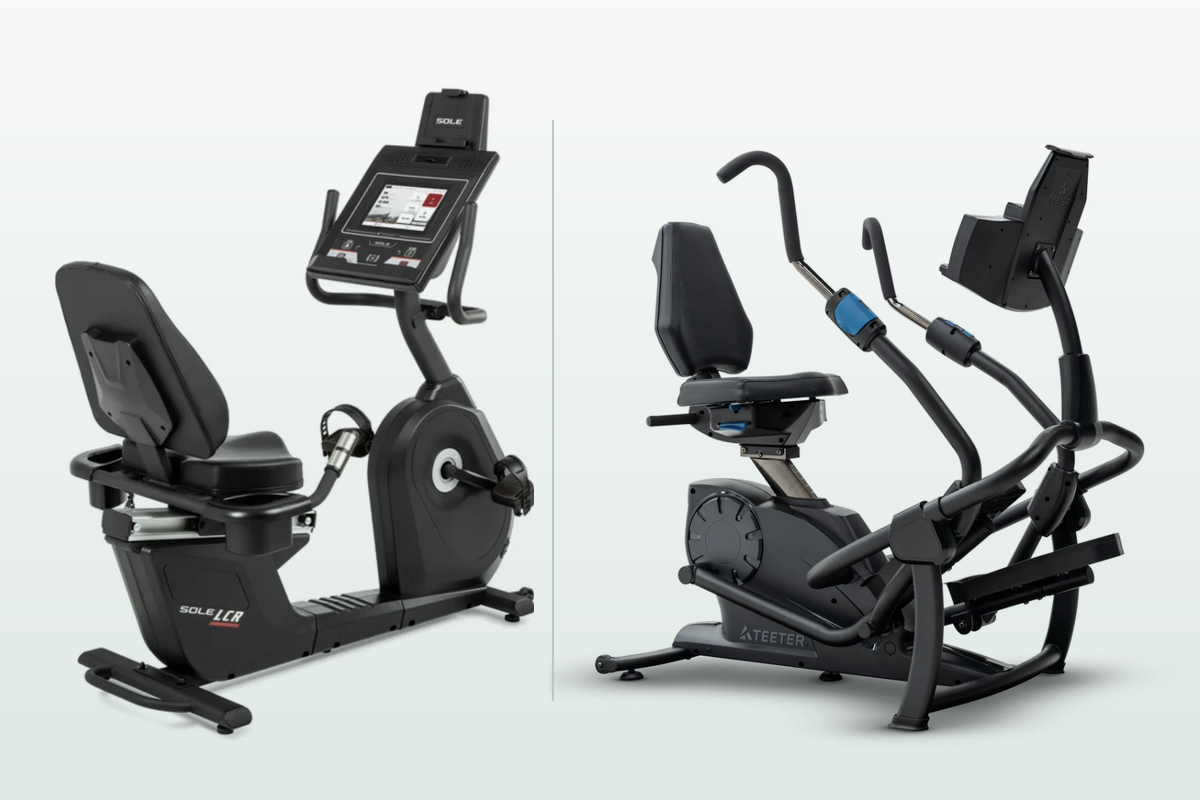
I’d steer these patients toward a seated machine instead:
Anyone who uses a cane or walker indoors. If you need a device to walk across your own living room, a moving belt takes away the one thing making that possible.
Anyone who’s fallen in the past year. A previous fall is one of the strongest predictors of the next one. Get assessed first, work on your balance, and revisit the idea later.
Anyone with vertigo or dizziness with head movement. Treadmill walking asks you to keep your head still and your eyes forward. If turning your head to look at the TV makes the room spin, that’s a fall waiting for a distraction.
Anyone with significant neuropathy. If you can’t feel where your feet are landing, you’re relying on vision to place them. Add a moving surface and that margin disappears.
Anyone with memory problems or dementia. This one gets missed constantly. Safe treadmill use depends on remembering to clip the safety key, to slow down before stepping off, and to stop when something feels wrong. If that chain of steps isn’t reliable, the machine isn’t safe, no matter how well the person walks.
Anyone who hasn’t been cleared after a cardiac event. Not a balance issue, but the same principle. Get your doctor’s sign-off first.
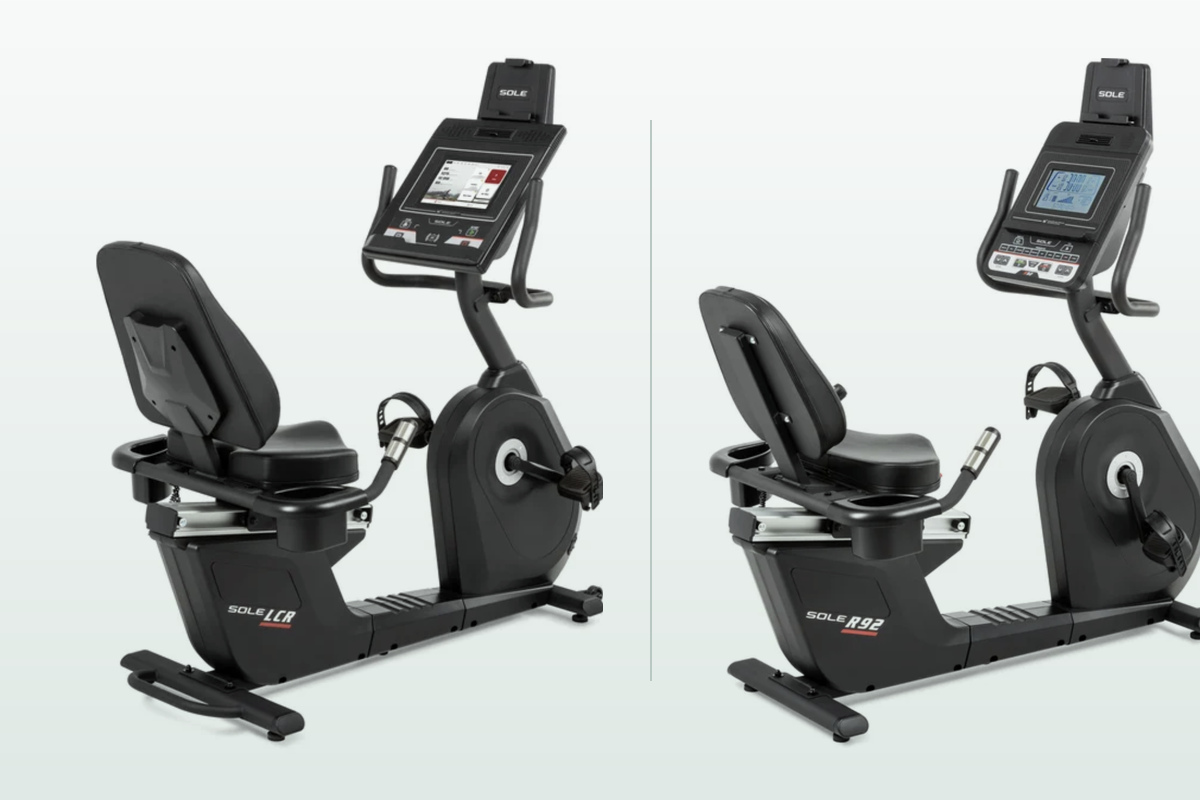
If several of those describe you, see my guide to treadmill alternatives for seniors. Seated machines remove the fall risk completely and still give you a real cardio workout.
Why a Treadmill Is Worth It for the Right Person
The safety conversation tends to drown out the other half of the picture, which is that treadmill walking is genuinely good for older adults.
In a study of institutionalized older adults, a 20-minute treadmill walking program twice a week for 10 weeks improved balance scores, gait speed, and Timed Up and Go times compared with a control group.
And in a small study of frail adults over 70, treadmill walking training improved gait velocity in every participant, by margins well beyond what counts as a meaningful change.
Those are the outcomes I care about with my patients: walking faster, standing up more easily, moving with more confidence.
A treadmill also solves the two problems that quietly end most walking habits.
Weather stops being an excuse, and you can hold an exact pace. If your target is 1.0 meters per second, that’s about 2.2 mph on the display, and the belt holds you there in a way that walking around the block never will.
Consistency is what produces results, and a machine in your spare room is easier to be consistent with than a two-mile loop in February.
The Rules That Make Treadmill Walking Safe
If you’re in the first group, these are the habits that matter. I’d rather you follow these than buy a more expensive machine.
1. Clip the safety key to your shirt. Every time. The tether shuts the belt off if you drift backward. An unused safety key protects nobody, and it’s the single most skipped step in home treadmill use.
2. Straddle the belt to start. Stand with one foot on each side rail, start the belt at its slowest speed, watch it move, and then step on. Never start with your feet already on the belt.
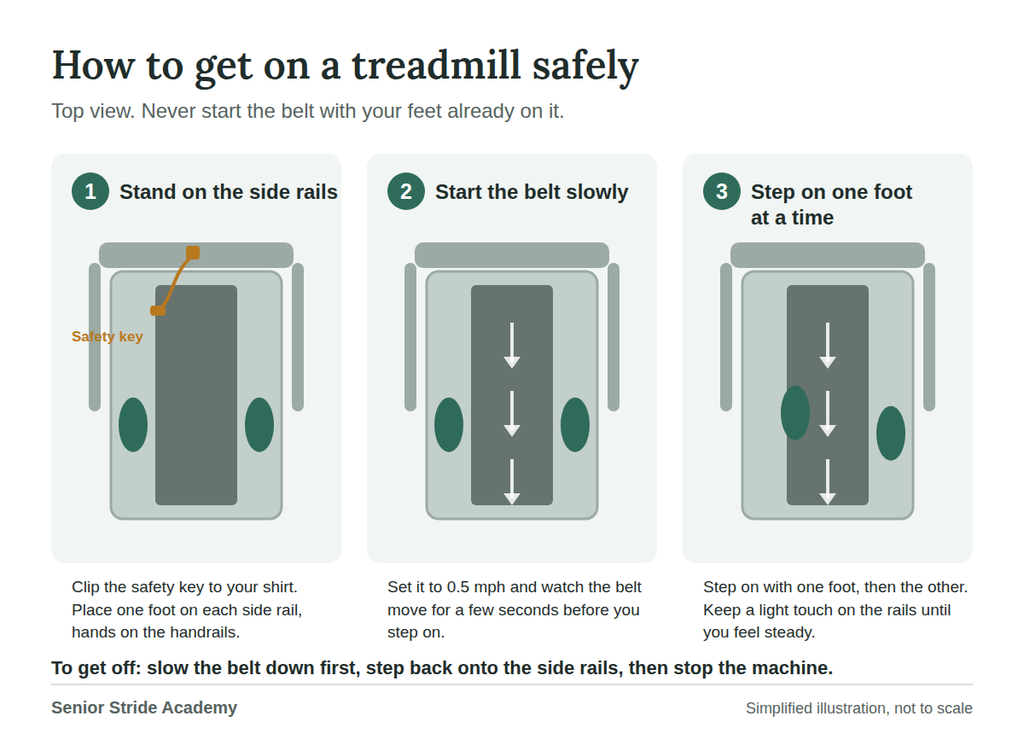
3. Start slower than feels necessary. Most machines start at 0.5 mph. Begin there, then work up to a comfortable walking pace of 1.5 to 2.5 mph. Five to ten minutes is a complete first session.
4. Touch the rails, don’t grip them. This one deserves more explanation than it usually gets. Gripping the handrails changes your posture, shortens your steps, and does some of the balance work for you.
But letting go entirely isn’t necessarily the goal either, especially early on.
Progress in stages: two hands, then one hand, then fingertips, then hands free at a slow speed once you feel steady.
But even if you can’t get past two-handed gripping, the treadmill can still offer great cardiovascular benefits (as long as you’re steady and not relying on the rails to keep from stumbling).
5. Look forward, not down. Looking at your feet shifts your weight forward and makes you less stable. Set up the treadmill facing a window or a TV at eye level.
6. Don’t multitask. Step off to drink, answer the phone, change the channel, or take off a sweater. Most home treadmill falls happen when someone is doing something other than walking.
7. Leave clear space behind the machine. Six feet of open floor if you can manage it. No coffee table, no pet bed, no laundry basket. If you do drift back, you want a clean exit.
8. Think about placement. Not on a thick rug, not at the top of a staircase, and not in a room where grandchildren play unsupervised. Unplug it when you’re not using it.
9. Wear real shoes. Walking shoes with a grippy sole. Not socks, not slippers, not bare feet.
10. Tell someone when you’re using it. If you live alone, keep your phone within reach on the console tray, or let a family member know your walking time.
When to Stop and Reassess
Get off the treadmill and talk to your doctor if you notice:
- Chest pain, unusual shortness of breath, or lightheadedness
- Drifting toward one side rail without meaning to
- Needing to grip the rails harder than you did a month ago
- More soreness in your knees, hips, or back after sessions than before them
- Any near-miss where you stumbled and caught yourself
That last one matters a lot.
A stumble on a treadmill is information. One is a reason to slow down and shorten the session. Two or three means the machine isn’t the right fit anymore, and there’s no shame in switching to something seated.
One Thing a Treadmill Won’t Do
A treadmill is a cardio machine, not a balance program.
Walking in a straight line at a steady speed while holding a rail doesn’t train the skills that actually prevent falls: turning, stepping over things, recovering when you’re bumped, standing on one leg while you reach.
People sometimes buy a treadmill specifically because they’re worried about falling, and then feel discouraged when their balance doesn’t improve.
Treadmill walking builds endurance, leg strength, and walking speed, all of which help.
But if fall risk is your main concern, pair it with dedicated balance work, like our Strong & Steady 21-Day Balance Program, or the free balance exercises for seniors on the site.
Frequently Asked Questions
Are treadmills safe for seniors over 70?
Age matters less than balance. A steady 80-year-old who walks without a device is safer on a treadmill than a 68-year-old who uses a cane. The questions to ask are about falls, dizziness, and whether you need a device to walk indoors.
What is the safest treadmill speed for seniors?
Start at 0.5 mph, the slowest speed on most machines, and work up to a comfortable 1.5 to 2.5 mph walking pace. Add time before you add speed, and add speed before you add incline.
Should seniors hold onto the treadmill handrails?
A light fingertip touch, yes. A tight grip, no. Gripping changes your posture and shortens your steps. Start with more support and gradually reduce it as you feel steadier.
Is walking on a treadmill as good as walking outside?
For cardiovascular benefit, essentially yes. Outdoor walking adds uneven surfaces, turns, and curbs, which challenge balance in useful ways. A treadmill gives you a controlled pace and no weather excuses. Doing both is ideal. I compare them in more detail in outdoor walking vs treadmills.
Can a treadmill help prevent falls?
Indirectly. Treadmill walking can improve gait speed, endurance, and leg strength, which all support safer walking. But it doesn’t train the balance reactions that stop a fall in progress, so pair it with dedicated balance exercises.
What kind of treadmill is safest for older adults?
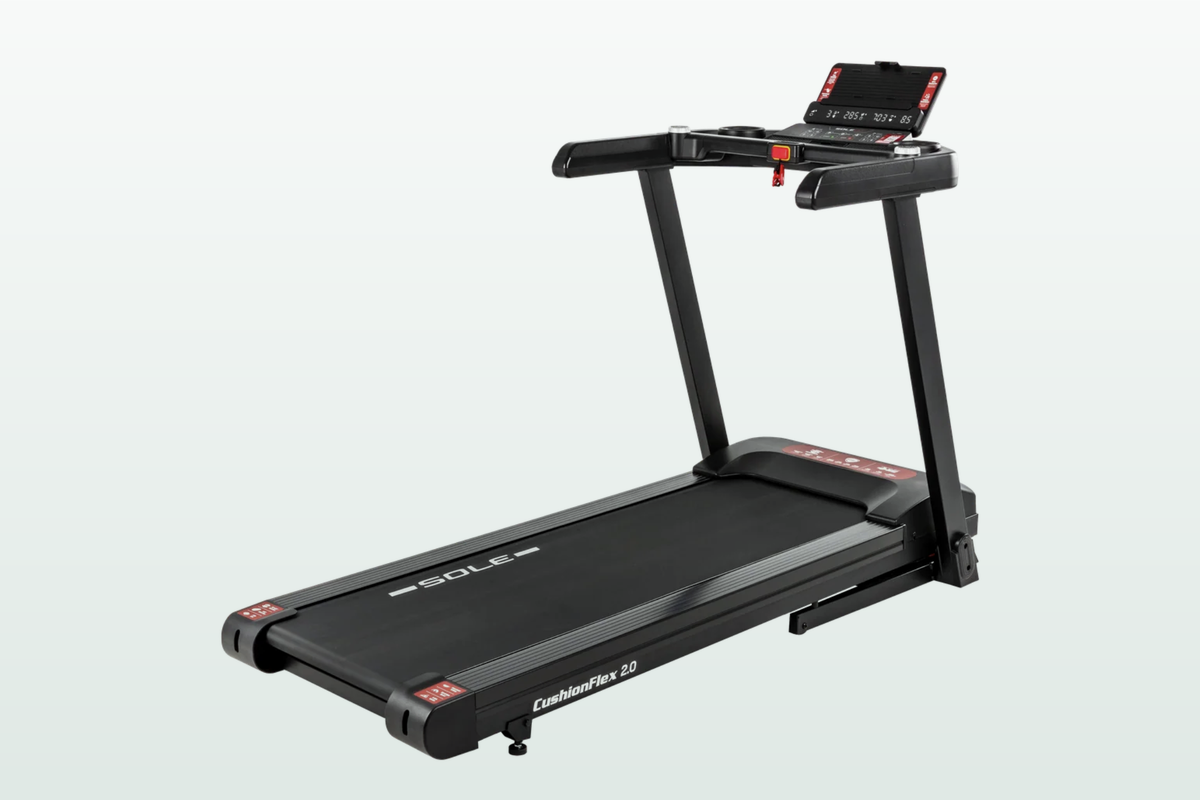
Look for a slow starting speed of 0.5 mph, long handrails you can reach through the whole stride, speed controls built into the handrails so you don’t have to reach forward, a working safety key, and a low step-up height. Sole offers great options for seniors and I go through which models are best in my guide to choosing a Sole treadmill for walking.