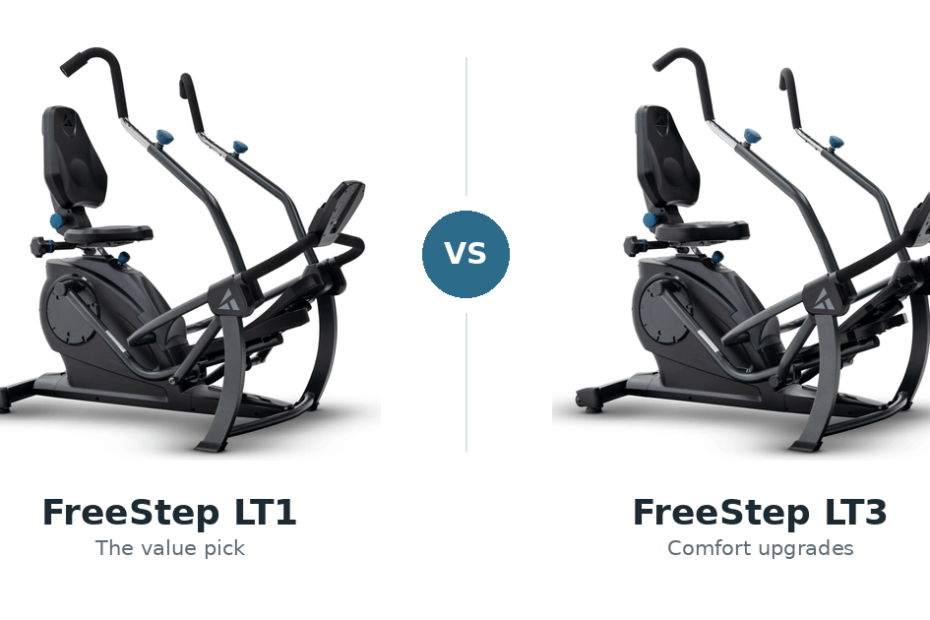
If you’ve settled on a Teeter FreeStep, the next question is usually which of the two affordable models to get.
It’s a close call.
These machines are more alike than most comparisons let on – same motion, same console, same resistance, same capacity.
What separates them is about $200 worth of comfort and durability.
The good news is that this is an easy decision once you know which four things actually change.
And for an older adult, those four things matter more than they would for someone in their forties.
Affiliate disclosure: This article contains affiliate links. If you buy through them I may earn a commission at no cost to you.
What’s Identical
Let’s start here, because it’s most of the machine.
- The stride. Same patented motion, licensed from commercial physiotherapy steppers. The workout is the same for both FreeSteps.
- Resistance. Same silent magnetic system, same 13 levels, same one-touch dial.
- The console. Same LCD display showing time, distance, speed, and calories. Both battery powered, so neither needs an outlet. Both have a tablet holder.
- Capacity. 300 lb weight limit and a 4’11” to 6’6″ height range on both.
- Dimensions. Same footprint. The LT3 is about three pounds heavier and that’s it.
- Adjustability. Both have a reclining backrest, a height-adjustable seat, and handles that adjust for height and rotate to target different muscles.
- Transport wheels and a water bottle holder on both.
So, if you buy the LT1, you aren’t getting a lesser workout – you’re getting the same machine with less padding on it.
The Four Differences

Teeter’s own answer to this question lists four structural upgrades on the LT3, plus warranty.
Here they are, and here’s why each one lands differently when you’re 72 than when you’re 42.
The Seat
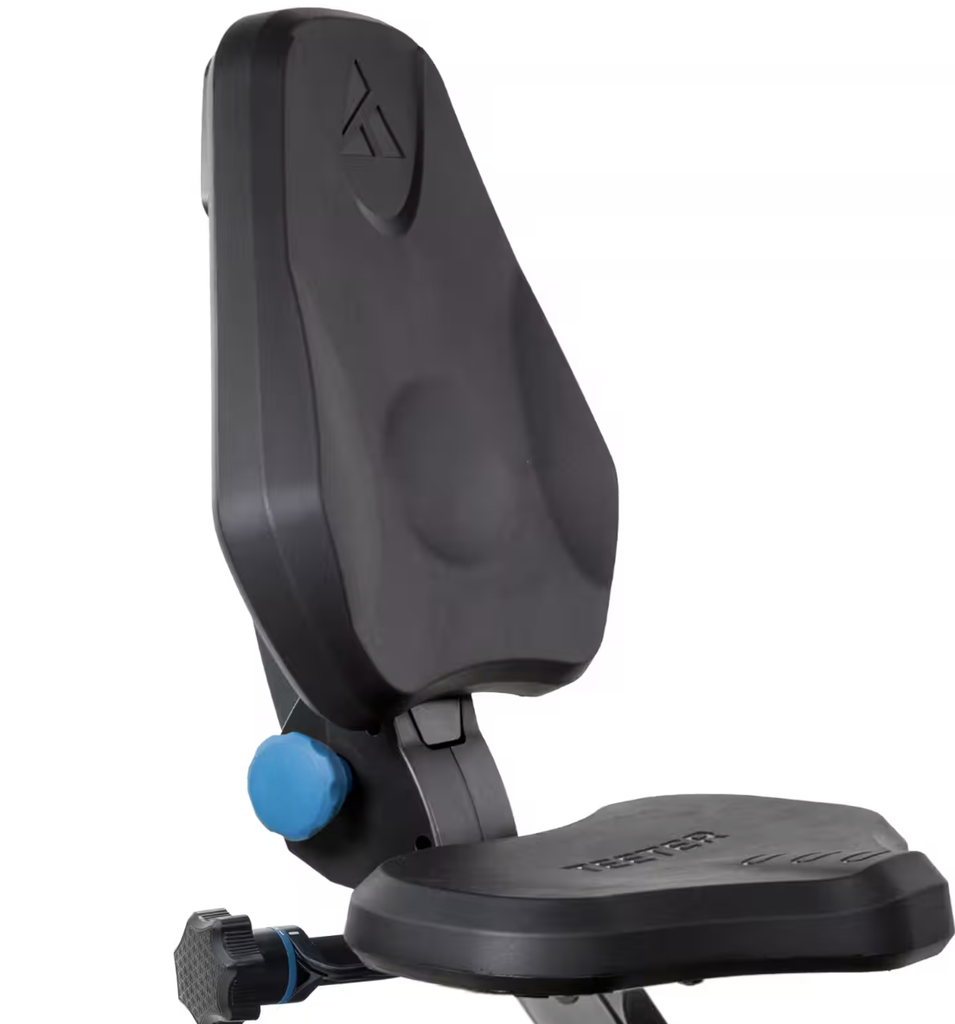
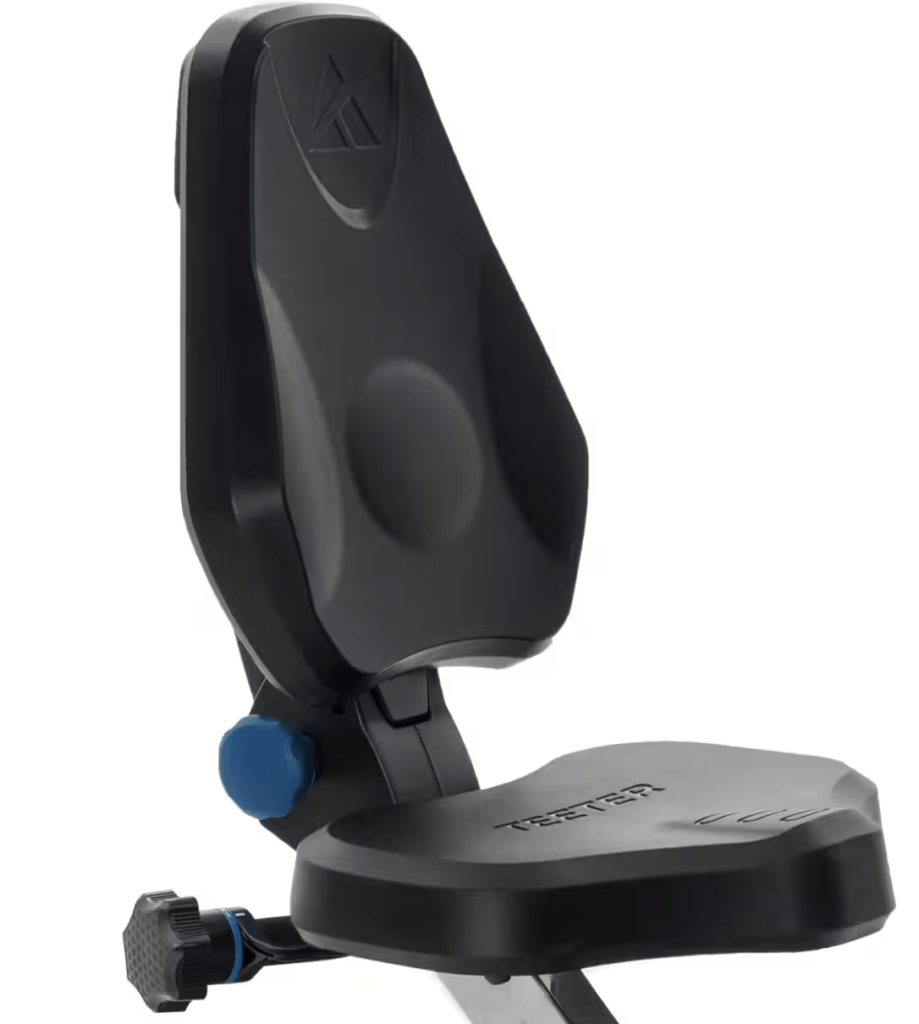
The differences in the LT1 and LT3’s seats are subtle, but the LT3 is a little larger and a little thicker for added comfort. Images courtesy of Teeter.
The LT3’s ComfortSelect seat is about 27% thicker and 12% larger overall, with two mounting positions for depth in addition to the recline and height adjustment both models share.
This is the upgrade I’d weigh most heavily, and it’s not really about luxury.
Older adults typically have less padding over the sitting bones than they did decades ago, and sitting tolerance becomes a genuine limiting factor.
If you have hip arthritis, a history of pelvic fracture, or you’re simply thin, a firm seat starts making itself known around the ten-minute mark.
That matters because the seat can end your session before your legs do.
A machine you get off at twelve minutes because you’re uncomfortable isn’t giving you a twelve-minute workout – it’s giving you a reason to skip tomorrow.
The Pedals
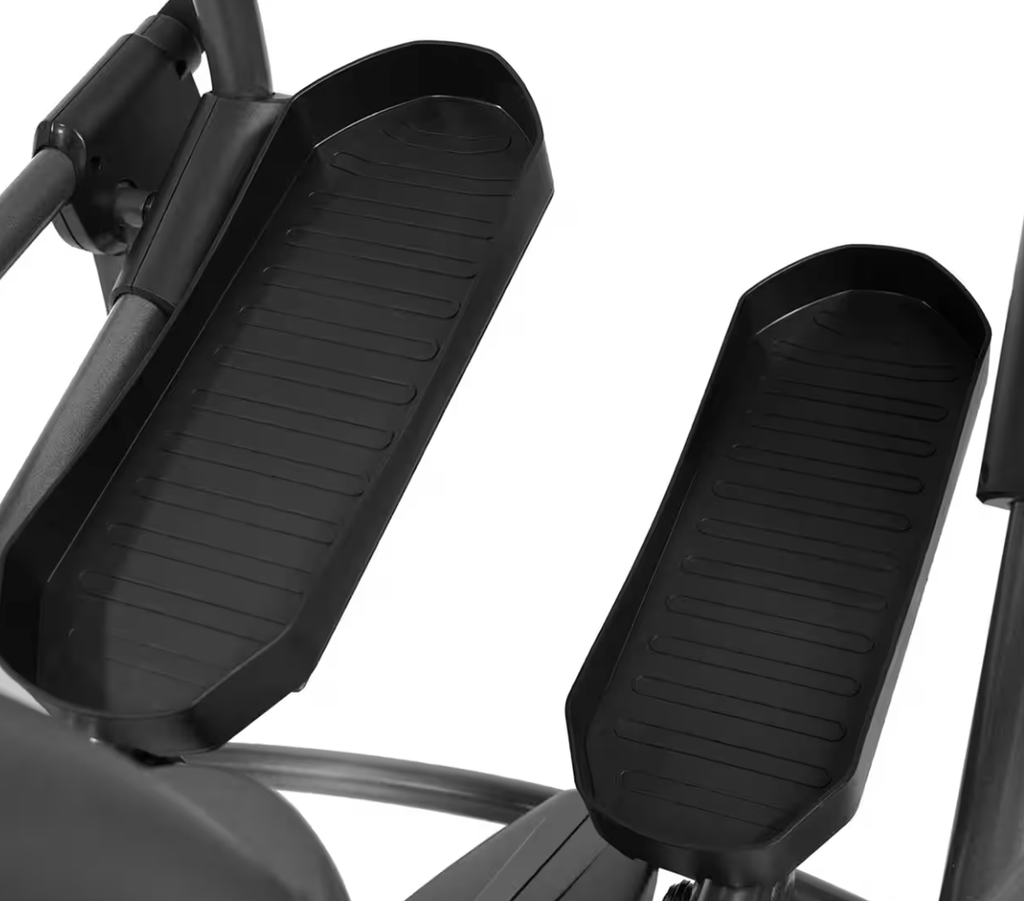
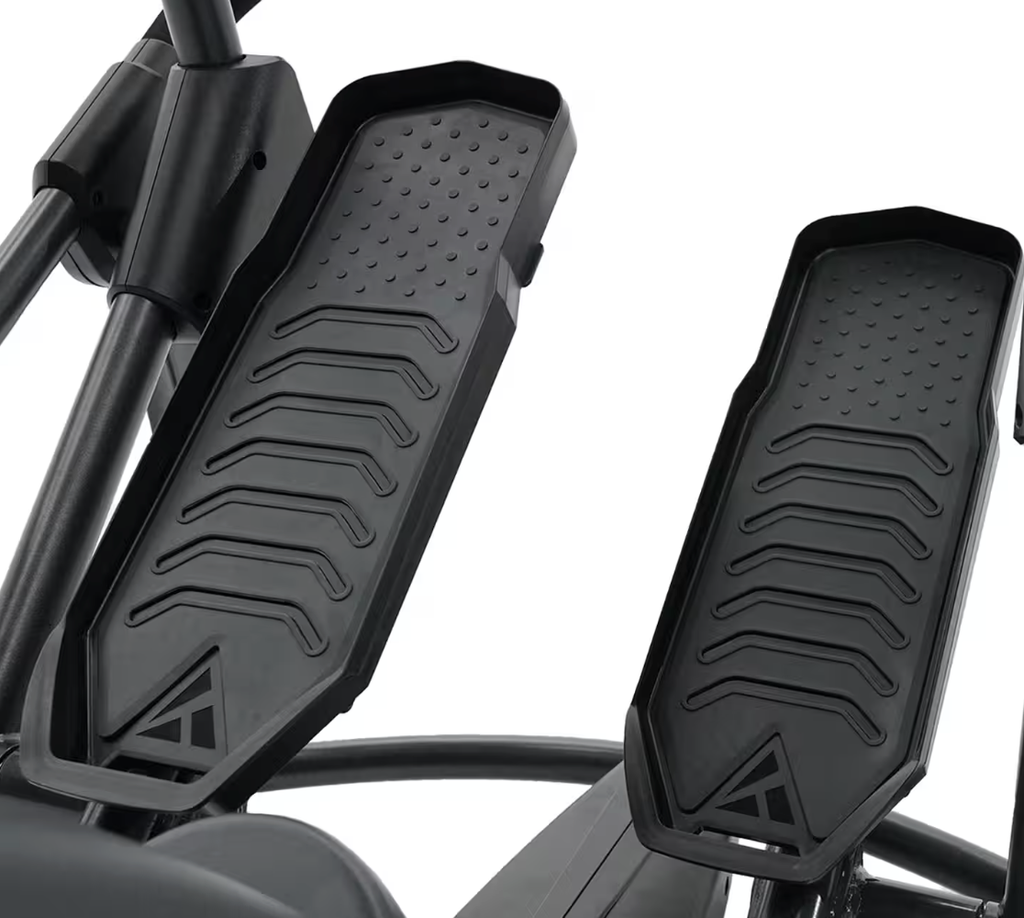
The LT3 comes with softer, grippier pedals for improved comfort during use. Images courtesy of Teeter.
The LT3’s SoftStep pedals add a rubberized tread overlay that the LT1’s don’t have.
Again, this is a subtle difference, but it does provide for better comfort.
The tread offers improved traction, which matters most if you have peripheral neuropathy and can’t reliably feel where your foot is sitting.
And a bit of cushioning, which matters if you’re dealing with plantar fasciitis or the fat pad thinning that’s common under older heels.
It also makes getting on and off slightly more secure, which is worth something on any piece of equipment.
The Handles
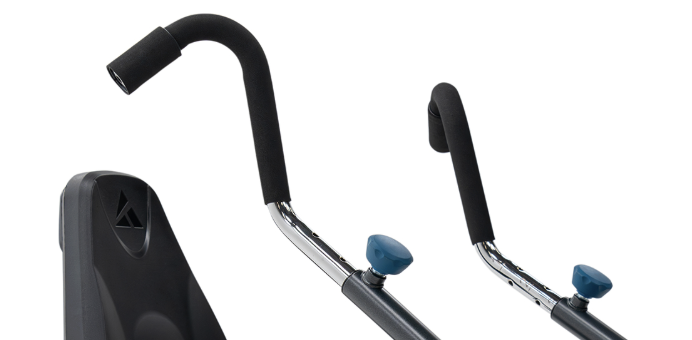
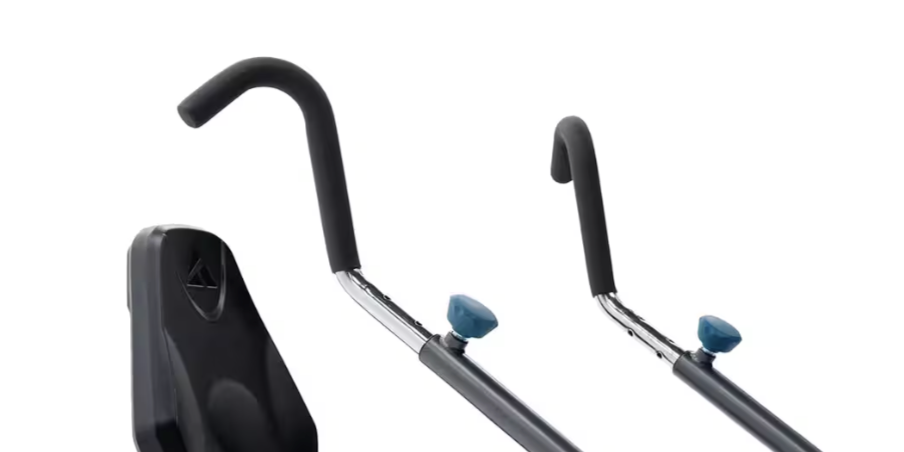
The difference in handles between these machines is small and hard to see in these images, but technically, the LT3 comes with slightly nicer handles. Images courtesy of Teeter.
SureGrip rubberized handles on the LT3, foam on the LT1.
If you have arthritic hands or reduced grip strength, a rubberized surface requires less squeeze to hold securely.
Foam handles also compress, degrade, and get slick with use (usually right around the time the warranty expires).
The rubber is easier to wipe down too, which sounds trivial until you’re the one doing it.
The Bearings
The LT3 uses UltraGlide steel ball bearings at each pivot point. The LT1 uses plastic bushings.
This is the one real mechanical difference, and it has a specific consequence worth knowing: friction matters most at low resistance.
If you’re deconditioned and working at the bottom of the resistance range – which describes most people starting out – the machine’s own internal friction is a larger share of what you’re pushing against.
Ball bearings make the motion smoother exactly where a weaker user spends their time.
At higher resistance you’d barely notice. At level two, you might.
The Warranties
| LT1 | LT3 | |
|---|---|---|
| Frame | 2 years | 3 years |
| Parts | 1 year | 2 years |
Both can be extended for a fee, and the extended terms scale the same way – the LT3 stays a year or two ahead.
On a machine you’re hoping to use for a decade, a single year of parts coverage on the LT1 is a little weak, but to be fair, it’s pretty standard for the price range.
Buy the LT1 If:
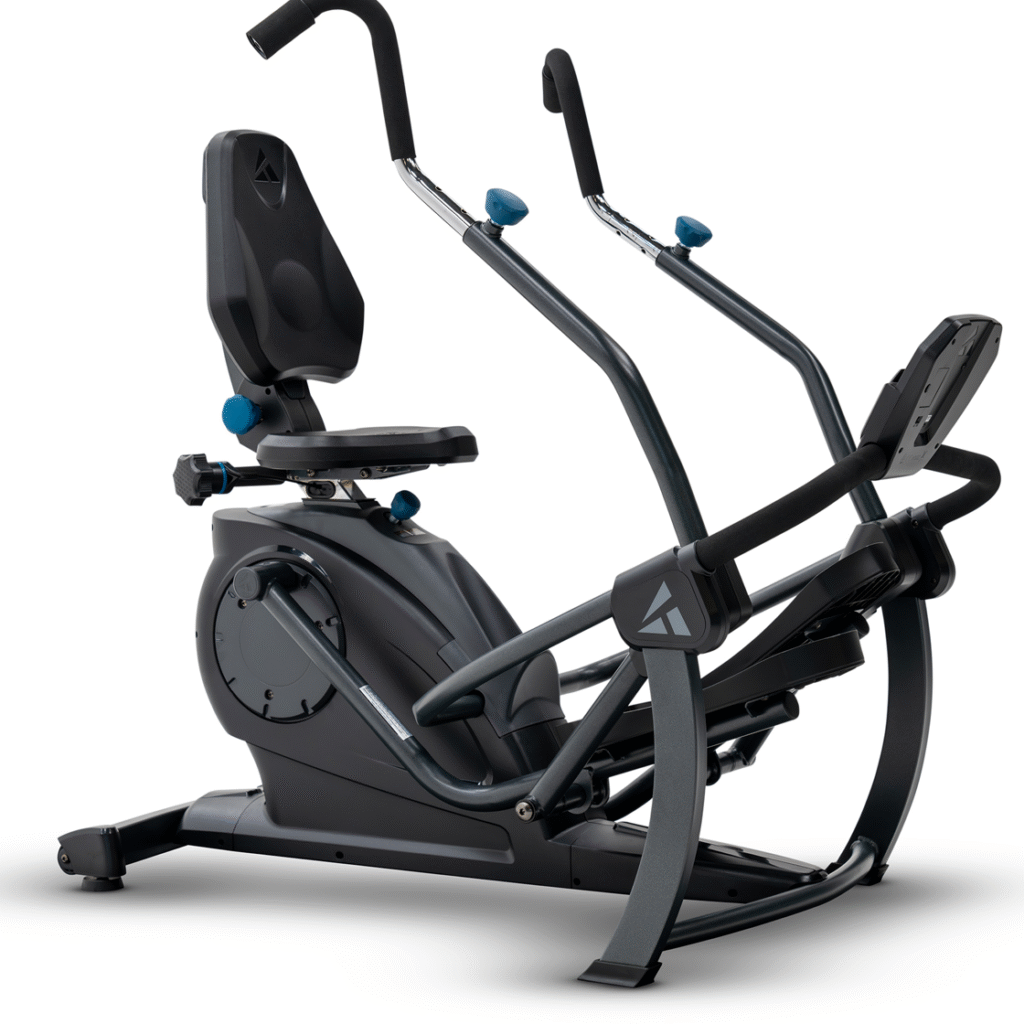
The $200 is the difference between buying and not buying. This is the real case, and it’s a good one. The LT1 delivers the same stride, the same resistance, and the same capacity. A machine you own beats a nicer machine you’re still saving for.
You’re a lighter, shorter user. Less body weight through the seat and pedals means the padding upgrades matter less.
You’ll be doing short sessions. Fifteen minutes at low intensity doesn’t expose the seat’s limits the way forty minutes does.
You’re buying it to try the format. If you’re not certain seated cardio is for you, spending less to find out is reasonable. Teeter’s trial period covers you either way.
Buy the LT3 If:
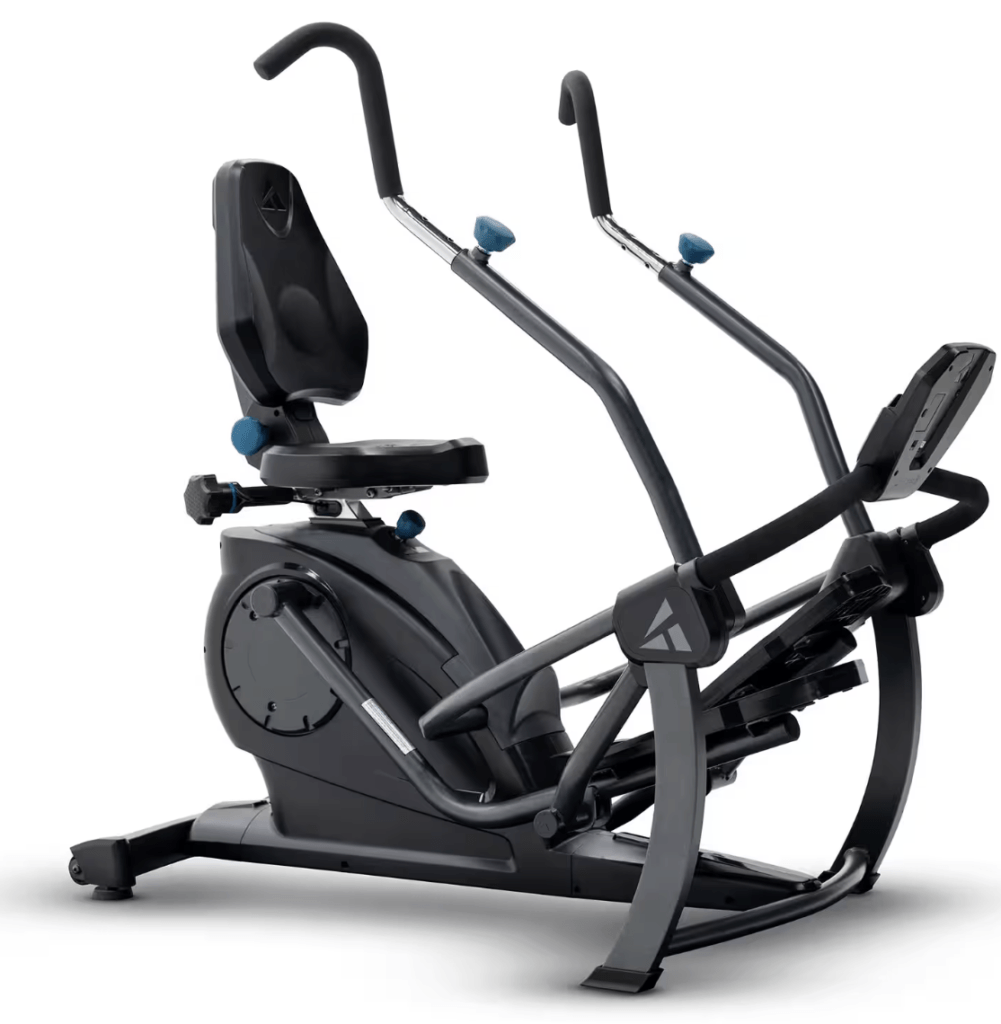
You plan to sit on it for more than twenty minutes at a time. The seat is the difference between a machine you tolerate and one you don’t think about.
You have arthritic hands, neuropathy, or foot pain. The handles and pedals are addressing exactly those problems.
You’re starting out deconditioned. The bearings matter most at low resistance, which is where you’ll be.
You want the machine to last ten years. Doubling the parts coverage and adding a year on the frame is worth real money on equipment this size.
Honestly, for most seniors, this is the one. Not because the LT1 is bad, but because the $200 is buying the specific things that determine whether the machine gets used (and none of them are things you can add later).
What About the LT7?
Worth asking, because the LT7 is a bigger jump than LT1 to LT3.
It moves to 20 resistance levels with a higher ceiling, raises the weight capacity to 350 lb, adds a 9-inch color console with programs and Bluetooth, and includes a Step Lock feature for getting on and off.
It also comes with a significantly heavier flywheel (20 lb vs 7 lb), to provide a smoother pedaling motion.
That’s a category change rather than a comfort upgrade.
I’ve compared the LT3 and LT7 in detail here.
Short version: if the resistance ceiling or the console matters to you, look at the LT7. If not, the LT3 is the value pick in the line.
Final Thoughts
These are the same machine with different upholstery, and I mean that as a compliment to the LT1 – you’re not compromising on the workout.
But the upholstery is where seniors actually run into trouble.
Seat comfort, grip, and foot traction are the things that quietly determine whether a machine gets used three times a week or three times a month.
If $200 is available, spend it on the LT3.
If it isn’t, buy the LT1 without hesitation and put it in front of the television.
Frequently Asked Questions
What’s the difference between the Teeter FreeStep LT1 and LT3? Four structural upgrades and warranty. The LT3 adds UltraGlide steel ball bearings, SoftStep rubberized pedals, SureGrip rubberized handles, and the thicker ComfortSelect seat, plus a 3-year frame and 2-year parts warranty against the LT1’s 2 and 1. Motion, console, resistance, and capacity are identical.
Is the LT3 worth the extra money? For most older adults, yes. The upgrades target sitting tolerance, grip, and foot comfort, which are the things that decide whether you finish a session. If budget is genuinely tight, the LT1 gives you the same workout.
Do the LT1 and LT3 have the same resistance? Yes. Both use the same silent magnetic system with 13 levels, the same flywheel, and a one-touch dial.
Is the LT1 hard to assemble? Both require self-assembly and both take roughly the same effort. If nobody in the household can manage it, factor in the cost of hiring that out for either model.
Does either one need to be plugged in? No. Both consoles are battery powered, so you can put either machine anywhere in the house.
What’s the weight limit on the LT1 and LT3? 300 lb on both, with a height range of 4’11” to 6’6″. If you need more capacity, the LT7 goes to 350 lb.