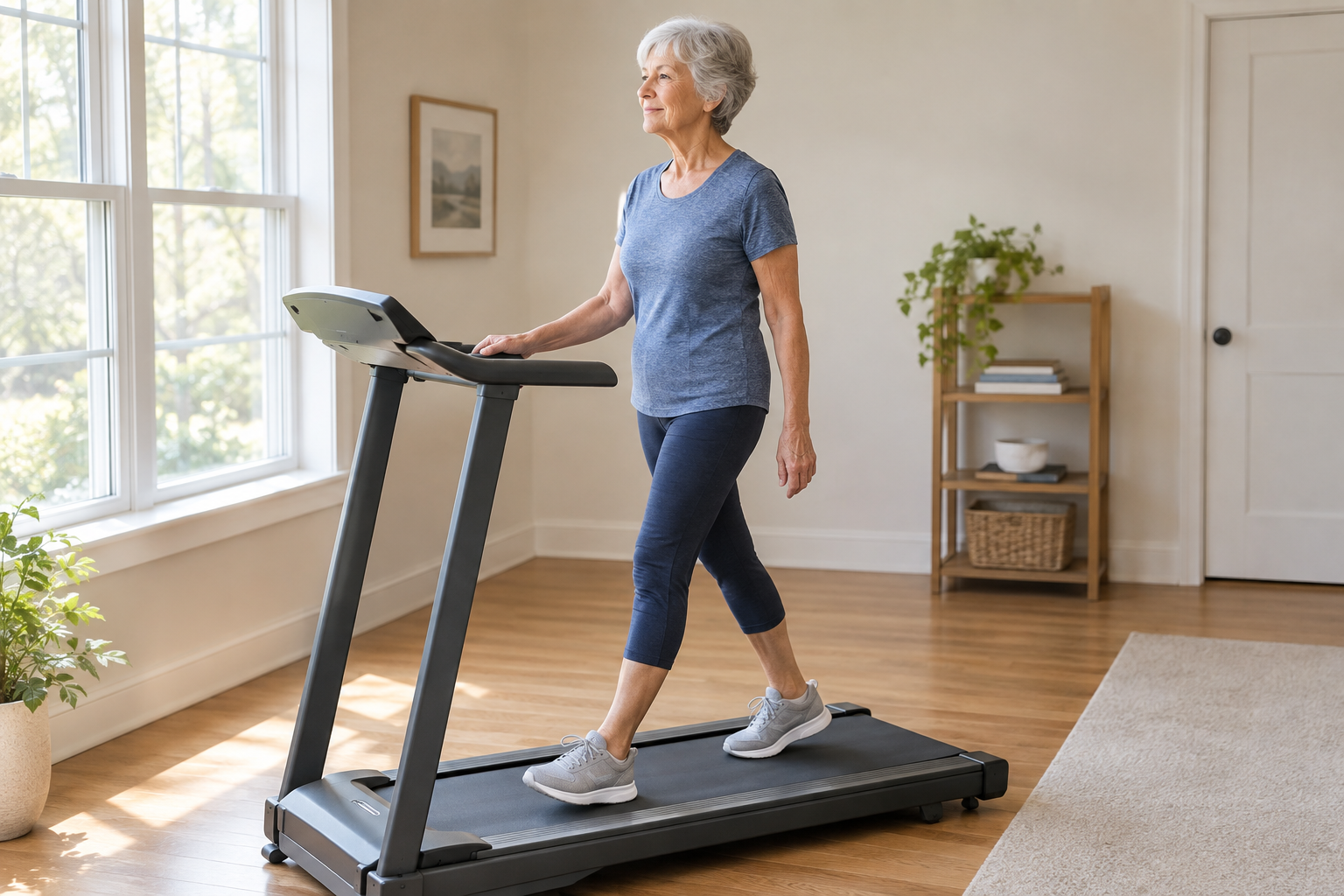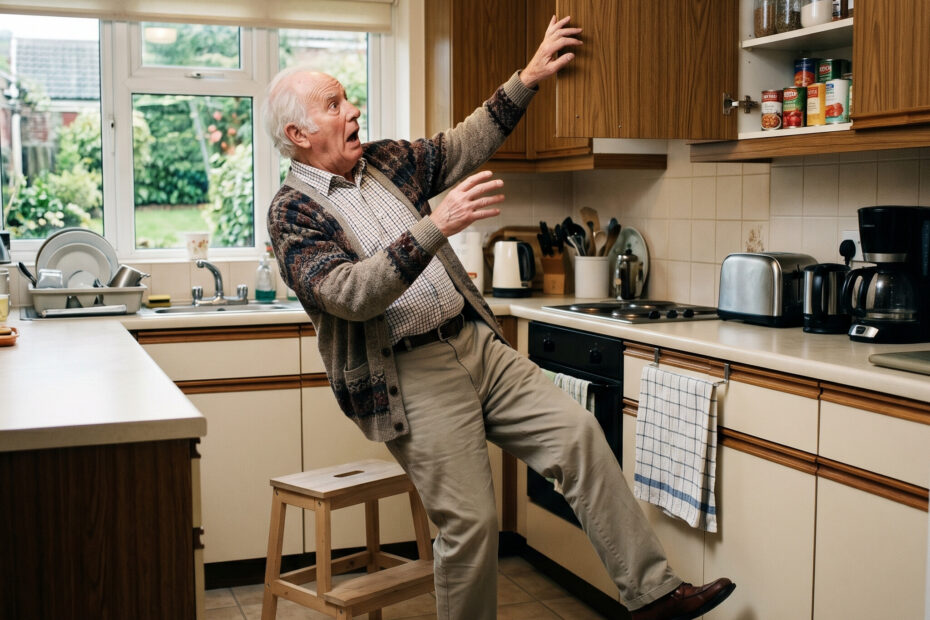
Seniors may fall backward due to balance problems, muscle weakness, low blood pressure, dizziness, or neurological conditions that affect coordination and posture control.
These issues can make it difficult for the body to correct itself when balance is lost, leading to sudden backward falls.
Backward falls in older adults often happen when standing, walking, or changing positions, and they can occur without warning.
And because the body is less able to react quickly, even small shifts in balance can result in a fall.
Understanding what causes backward falls is important for preventing injuries and identifying underlying health issues that may need attention.
Causes of Backward Falls in Seniors
Several physical and neurological factors can contribute to backward falls in seniors:
| Cause | How It Leads to Backward Falls |
|---|---|
| Balance disorders | Disrupt coordination between vision, inner ear, and muscles, making it hard to stay upright |
| Muscle weakness | Reduces ability to stabilize the body when shifting weight or standing |
| Low blood pressure (especially standing up) | Can cause dizziness or fainting, leading to sudden collapse backward |
| Neurological conditions (e.g., Parkinson’s, stroke) | Affect posture control, reaction time, and movement coordination |
| Medication side effects | May cause dizziness, drowsiness, or slowed reflexes |
| Postural instability | Makes it harder to maintain an upright center of gravity |
| Fear of falling / cautious movement | Can lead to stiff or unnatural posture that reduces balance recovery ability |
Balance Disorders
The balance system relies on coordination between the inner ear, vision, and muscles. When this system is disrupted, stability becomes unpredictable.
This can lead to:
- Sudden loss of balance while standing
- Difficulty adjusting posture
- Falling backward without warning
- Difficulty correcting loss of balance once it starts occurring
If you’re not sure whether a loved one is developing balance issues, check out our guide on what signs to look for to determine poor balance.
Muscle Weakness
Weakness in the legs, hips, and core makes it harder to stay upright – especially during small shifts in weight.
When strength is reduced:
- Standing stability decreases
- Reaction time slows
- The body is more likely to collapse backward
Low Blood Pressure (Especially When Standing)
A sudden drop in blood pressure can cause dizziness due to reduced blood flow to the brain. It can also cause weakness or even fainting.
This often happens when standing up too quickly and it’s called orthostatic hypotension.
Neurological Conditions
Certain conditions can interfere with coordination and posture control, including:
- Parkinson’s disease
- Stroke
- Dementia
- Peripheral neuropathy
These conditions can affect how the brain communicates with muscles, making balance less reliable.
Any slowing of the reflexes can increase fall risk, especially considering most seniors tend to lose their balance backwards anyway.
Postural Instability and Gait Changes
Some seniors develop a stooped posture or unstable walking pattern that shifts their center of gravity backward.
This increases the risk of:
- Losing balance when standing
- Falling backward during transitions
- Difficulty recovering from small disturbances
- Difficulty turning safely while walking
Medication Side Effects
Certain medications can contribute to:
- Dizziness
- Drowsiness
- Blood pressure changes
- Reduced coordination
These effects increase fall risk, especially when standing or turning.
Fear of Falling and Overcompensation
After a previous fall, some seniors become overly cautious.
Ironically, this can sometimes lead to stiffness or poor weight shifting, increasing the risk of falling backward instead of recovering balance naturally.
Many seniors will develop a shuffling walking pattern because they may feel safer walking like this – but again, poor foot clearance during ambulation actually increases fall risk.
Falling backwards is often a combination of weakness and poor balance. Both are addressed in our Strong & Steady: Complete program.
Why Falling Backwards Is So Common in Seniors
Backward falls are especially common in older adults because the body is less effective at recovering balance in that direction compared to forward movement.
One key reason is that we cannot see behind us, which makes it harder for the brain to quickly assess and correct balance when we begin to fall backward.
Without visual feedback, the body has fewer cues to react and stabilize in time.
Another important factor is the natural shape and mechanics of the foot and ankle.
The human foot is generally better designed to support forward balance correction. When we begin to lose balance forward, we can step, shift weight, or extend the leg to catch ourselves more easily.
However, when falling backward, it’s much harder to place the foot behind the body quickly enough to stop the fall.
In addition, backward falls often occur when:
- The center of gravity shifts behind the heels
- The body’s reaction time is too slow to compensate
- Leg strength is not sufficient to stabilize quickly
- Posture is already slightly leaned backward or unstable
Because of these factors, backward falls tend to happen more suddenly and with less opportunity for recovery, making them both more common and more dangerous in seniors.
In fact, falls are one of the leading causes of injury-related hospitalization in older adults and backward falls are particularly associated with head injuries and hip fractures.
According to the CDC, 1 in 4 adults over 65 years old falls each year.
Forward vs Backward Falls in Seniors
Backward falls and forward falls can both lead to injury, but they differ in how they happen, how the body responds, and how dangerous they are.
The differences between forward and backward falls help explain why backward falls are often more dangerous.
| Feature | Forward Falls | Backward Falls |
|---|---|---|
| Direction of fall | Toward the front of the body | Toward the back of the body |
| Ability to recover | Often easier to step forward or grab support | Harder to correct due to limited ability to see or react behind the body |
| Common causes | Tripping, uneven surfaces, foot dragging | Balance loss, dizziness, posture instability, low blood pressure |
| Injury risk | Often leads to wrist, hand, or knee injuries | Higher risk of head, hip, and spine injuries |
| Reaction time | More time to react and “break the fall” | Less time to respond or adjust posture |
| Visual awareness | Can usually see the direction of the fall | No visual input behind the body, reducing correction ability |
Signs a Backward Fall Risk May Be Increasing
Seniors may be at higher risk if they experience:
- Frequent loss of balance while standing
- Trouble stepping backward or adjusting posture
- Dizziness when changing position
- Slow reaction time
- Previous falls (especially backward falls)
- Unsteady standing without support
Why Falling Backwards Is Dangerous
Backward falls often result in more severe injuries than forward falls because:
- The head is more likely to hit the ground
- There is less ability to break the fall
- Hip and spine injuries are more common
- Falls often happen suddenly without warning
This is why identifying risk factors early is so important.
What to Do After a Backward Fall
If a senior falls backward:
- Check for head injury immediately
- Avoid moving them if injury is suspected
- Call for medical help if there is pain, confusion, or loss of consciousness
- Document what happened to help identify patterns
Even if no injury is obvious, medical evaluation is recommended after a backward fall.
How to Reduce the Risk of Falling Backwards
Prevention focuses on improving stability, strength, and balance control.
Strength and Balance Training
Exercises that improve core and leg strength can help stabilize posture.
Like I always tell my patients – being stronger makes everything easier and this includes walking.
In other words, having stronger legs makes you more stable on your feet and more able to correct a loss of balance when it occurs.
Balance exercises, of course, can help reduce any fall risk, but incorporating balance-specific strengthening exercises is always a smart idea too.
For a step-by-step plan, our Strong & Steady 21-Day Balance Program walks you through gentle, progressive exercises designed by a physical therapist to help prevent falls.
Review Medications
A healthcare provider can evaluate whether medications are contributing to dizziness or instability.
If you or a loved one is noticing instability with standing or walking, it’s a good idea to review your meds with your physician.
Especially if the unsteadiness is new or is coinciding with a recent medication change.
FYI, some medications or more prone to increasing instability and fall risk.
Address Underlying Conditions
Treating conditions like Parkinson’s disease, blood pressure issues, or neuropathy can significantly reduce fall risk as well.
In these cases, a physical therapy consult is a great idea.
As a physical therapist, I treat seniors with these (and other diagnoses) that inherently increase fall risk and getting a personalized fall risk reduction program is a great way to help improve safety.
Final Thoughts
Falling backward in seniors is not something to ignore.
While it may happen occasionally due to a moment of imbalance, repeated backward falls often point to underlying issues with strength, balance, posture, or neurological function.
The good news is that many of these causes can be improved with targeted exercise, medical management, and environmental adjustments.
Keep in mind, preventing falls is not just about avoiding injury – it’s about maintaining independence, confidence, and quality of life.
FAQ
Why do seniors fall backward suddenly?
Common causes include balance disorders, low blood pressure, muscle weakness, neurological conditions, and medication side effects.
Is falling backward a sign of something serious?
It can be. Repeated backward falls may indicate underlying neurological or cardiovascular issues and should be evaluated.
Why are backward falls more dangerous?
Because they often lead to head injuries, hip fractures, and more severe trauma due to lack of protective reflexes.
Can balance exercises help prevent backward falls?
Yes! Strengthening the legs and core and improving balance can significantly reduce fall risk.
What should I do after a senior falls backward?
Check for injury, avoid moving them if pain is present, and seek medical attention if there are any concerning symptoms.
Can physical therapy help prevent backward falls in seniors?
Yes! Physical therapy can improve balance, strength, posture, gait stability, and reaction time, all of which may help reduce backward fall risk.