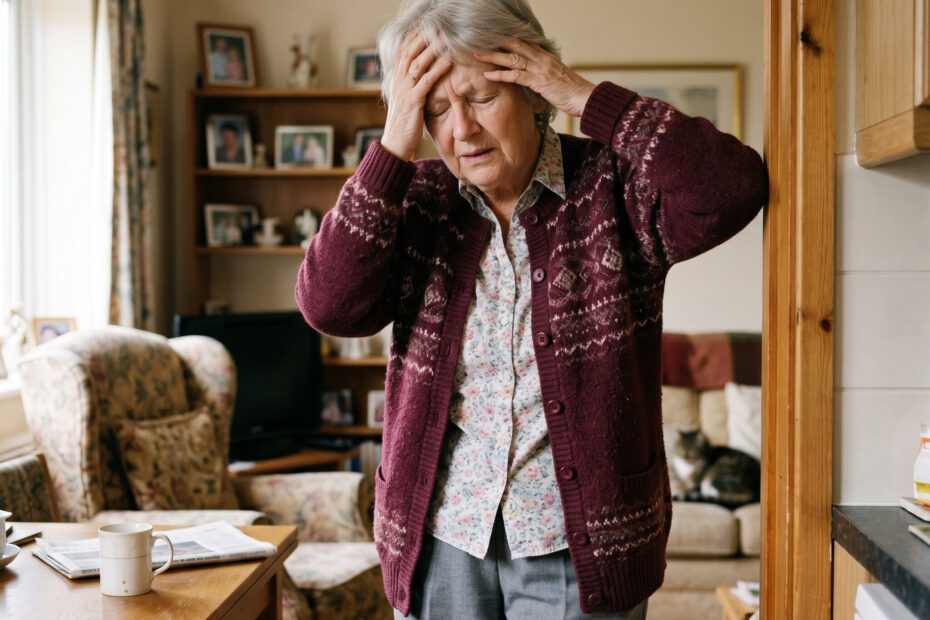
Many older adults occasionally feel lightheaded, unsteady, or dizzy, especially when changing position or standing up quickly.
And in many of these cases, blood pressure changes are one of the main reasons this happens.
Both low blood pressure and high blood pressure can contribute to dizziness in seniors.
Medications, dehydration, heart conditions, and age-related changes in circulation can also affect how well the brain receives blood flow, leading to balance problems or faint feelings.
Understanding the connection between blood pressure and dizziness is important because frequent dizziness increases the risk of falls, injuries, and loss of independence in older adults.
Can Blood Pressure Cause Dizziness in Elderly Adults?
Yes. Blood pressure problems are a very common cause of dizziness in seniors.
When blood pressure becomes too low (or drops suddenly when standing) the brain may not receive enough oxygen-rich blood for a brief period.
This can cause:
- Lightheadedness
- Feeling faint
- Blurry vision
- Weakness
- Unsteady walking
- Loss of balance
In some cases, extremely high blood pressure may also cause dizziness, although this is less common than dizziness caused by low blood pressure or rapid blood pressure changes.
Older adults are especially vulnerable because aging affects:
- Blood vessel elasticity
- Heart function
- Hydration levels
- Nervous system responses
- Balance systems
- Medication sensitivity
What Blood Pressure Problems Cause Dizziness?
Several blood pressure-related conditions may lead to dizziness in seniors. These include:
Orthostatic Hypotension (Most Common)
Orthostatic hypotension happens when blood pressure drops suddenly after standing up.
This is one of the most common causes of sudden dizziness in older adults and as a physical therapist, I see patients that suffer from this condition almost daily.
A senior may feel:
- Dizzy after standing
- Weak or shaky
- Faint
- Unsteady for several seconds
These symptoms can be uncomfortable, but they often improve after sitting back down for a few moments.
Orthostatic hypotension occurs because aging slows the body’s ability to adjust blood pressure quickly during position changes, resulting in a drop in pressure.
Common causes include:
- Dehydration
- Blood pressure medications
- Diuretics
- Diabetes
- Parkinson’s disease
- Prolonged bed rest
- Heart problems
Medical conditions and medication side-effects can certainly cause orthostatic hypotension, but in my experience, dehydration is often the main culprit.
Especially for intermittent, short bouts of dizziness with standing.
Low Blood Pressure (Hypotension)
Some seniors naturally run low blood pressure, while others develop it from illness, dehydration, or medications.
Low blood pressure may reduce blood flow to the brain and cause:
- Fatigue
- Brain fog
- Weakness
- Dizziness
- Falls
- Fainting
Symptoms of hypotension are often worse:
- In hot weather
- After meals
- During illness
- After standing for long periods
Folks that tend to have a low blood pressure may want to focus on proper hydration to try and keep their pressure higher during positional changes.
High Blood Pressure (Hypertension)
High blood pressure itself usually does not directly cause dizziness unless it becomes severely elevated.
That said, dizziness may occur due to:
- Blood pressure medication side effects
- Rapid blood pressure fluctuations
- Cardiovascular disease
- Reduced circulation
- Anxiety related to elevated blood pressure
Sudden severe dizziness accompanied by chest pain, confusion, weakness, or vision changes requires immediate medical attention.
Signs Blood Pressure May Be Causing Dizziness
The following symptoms may suggest a blood pressure-related cause:
| Symptom | Possible Meaning |
|---|---|
| Dizziness when standing up | Orthostatic hypotension |
| Feeling faint after walking | Low blood pressure |
| Blurry vision | Reduced blood flow to the brain |
| Weakness or fatigue | Poor circulation |
| Symptoms improve after sitting | Blood pressure drop likely |
| Dizziness after taking medication | Medication side effect |
| Unsteadiness in hot weather | Dehydration or low BP |
| Frequent falls | Blood pressure instability, other causes |
Why Seniors Are More Vulnerable to Blood Pressure Related Dizziness
Blood pressure naturally changes throughout the day, but older adults often experience larger and more frequent fluctuations than younger people.
Aging affects the cardiovascular system, nervous system, hydration status, and blood vessel function – all of which help regulate blood pressure.
These age-related changes make seniors more vulnerable to dizziness, fainting, and balance problems when blood pressure shifts too quickly.
Reduced Baroreceptor Sensitivity
The body relies on specialized pressure sensors called baroreceptors to maintain stable blood pressure.
These receptors are located mainly in the:
- Carotid arteries in the neck
- Aortic arch near the heart
When a person stands up, gravity pulls blood toward the legs and lower body. Baroreceptors normally detect this sudden pressure change and quickly signal the heart and blood vessels to respond by:
- Increasing heart rate
- Tightening blood vessels
- Maintaining blood flow to the brain
With aging, baroreceptors become less sensitive and slower to respond. As a result, older adults may experience a temporary drop in blood pressure when standing, leading to feeling dizzy.
This impaired reflex is one reason orthostatic hypotension becomes much more common with age.
Stiffening of Blood Vessels
Arteries gradually lose elasticity over time due to structural changes in the vessel walls.
Healthy arteries expand and contract easily to help stabilize blood pressure – in older adults, stiffer arteries are less able to adapt quickly to changes in posture, activity, hydration, or stress.
This reduced flexibility can contribute to:
- Larger swings in blood pressure
- Higher systolic blood pressure
- Poor circulation adjustments
- Reduced blood flow to the brain during movement
Vascular stiffening is also associated with increased fall risk and reduced physical endurance in seniors.
Changes in Autonomic Nervous System Function
The autonomic nervous system controls automatic body functions such as:
- Heart rate
- Blood pressure
- Breathing
- Blood vessel constriction
Aging can reduce the efficiency of this system, especially during rapid position changes.
In younger adults, the autonomic nervous system rapidly compensates when standing up.
In seniors, the response may be delayed or weaker, allowing blood pressure to drop long enough to cause dizziness or instability.
Neurological conditions common in older adults, including Parkinson’s disease and diabetes-related neuropathy, may worsen autonomic dysfunction even further.
Reduced Heart Efficiency
The aging heart may become less responsive to sudden demands for increased circulation.
Older adults often have:
- Reduced maximum heart rate
- Slower cardiac response times
- Decreased pumping efficiency
- Greater likelihood of underlying cardiovascular disease
When blood pressure suddenly drops, the heart may not compensate quickly enough to maintain adequate blood flow to the brain.
Increased Sensitivity to Dehydration
Even mild dehydration can significantly affect blood pressure in seniors.
Older adults are more prone to dehydration because they often experience:
- Reduced thirst sensation
- Lower total body water levels
- Medication-related fluid loss
- Chronic medical conditions
Dehydration reduces blood volume, making blood pressure more unstable and increasing the likelihood of dizziness when standing or walking.
Why These Changes Matter
Because aging affects multiple body systems at once, seniors often have less ability to maintain stable circulation during everyday activities.
Simple actions such as:
- Standing up quickly
- Walking after sitting
- Taking a hot shower
- Missing meals
- Becoming mildly dehydrated
can trigger noticeable blood pressure drops and dizziness.
These fluctuations are important because they substantially increase the risk of falls and injury.
Understanding the science behind blood pressure instability can help seniors and caregivers recognize symptoms early and take steps to improve safety and balance.
Can Blood Pressure Medications Cause Dizziness?
Yes. Blood pressure medications are one of the most common causes of dizziness in seniors.
These medications may lower blood pressure too much or cause sudden drops when standing.
Common medication groups associated with dizziness include:
- Diuretics
- Beta blockers
- ACE inhibitors
- Calcium channel blockers
- Alpha blockers
Symptoms often occur:
- Shortly after taking medication
- After standing quickly
- During dehydration
- In hot weather
Seniors should never stop blood pressure medications without speaking to their healthcare provider first.
When Dizziness May Be Serious
Occasional mild dizziness may not be dangerous, but certain symptoms require prompt medical evaluation.
Seek medical attention if dizziness occurs with:
- Chest pain
- Shortness of breath
- Fainting
- Severe headache
- Sudden weakness
- Slurred speech
- Confusion
- Vision loss
- Difficulty walking
- One-sided numbness
These symptoms could indicate:
- Stroke
- Heart problems
- Severe blood pressure abnormalities
- Neurological conditions
How Doctors Evaluate Blood Pressure-Related Dizziness
Healthcare providers often evaluate:
- Sitting and standing blood pressure
- Medication lists
- Hydration status
- Heart rhythm
- Balance and gait
- Neurological symptoms
Testing may include:
- Orthostatic blood pressure measurements
- Blood work
- ECG
- Heart monitoring
- Vestibular evaluation
The goal is to determine whether dizziness comes from circulation problems, inner ear disorders, neurological conditions, medication side effects, or multiple contributing factors.
If you think you might be experiencing an inner ear issue instead of dizziness, check out our guide on dizziness vs vertigo to find out.
How Seniors Can Reduce Blood Pressure-Related Dizziness
Treatment depends on the underlying cause, but several strategies may help.
Stay Hydrated
Proper hydration helps maintain healthy blood pressure and circulation, so it’s important for seniors to stay hydrated throughout the day.
Of course, caregivers know getting seniors to drink plenty of fluids can be easier said than done.
Water is always the best option, but keep in mind, other drinks like tea, milk, and even coffee can be good alternatives.
High water content foods can be helpful as well.
Stand Up Slowly
Moving gradually from lying → sitting → standing gives the body more time to adjust and helps reduce fall risk.
When standing from a sitting position, seniors should stay put for a few moments to see if dizziness occurs.
And if it does happen, seniors should sit right back down and wait for symptoms to disappear before attempting standing again.
Review Medications
A healthcare provider can take a look at current medications to get an idea if dizziness may be an unwanted side effect.
Healthcare providers may review medication timing and dosage, as well as possible harmful drug combinations, to see if any changes should be made.
Improve Leg Strength and Circulation
When in doubt, exercise is always a good option.
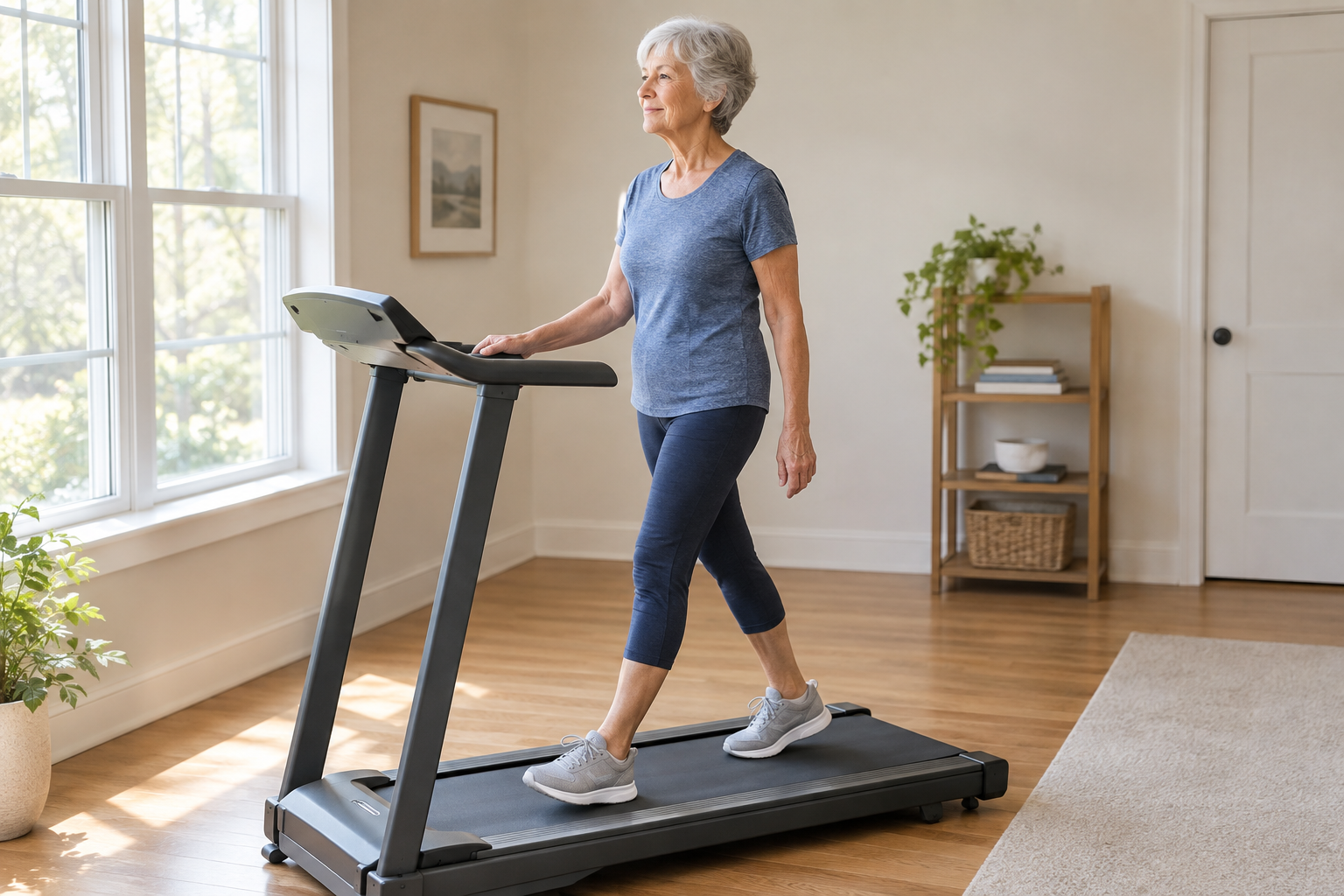
Walking and strength exercises help improve circulation and balance, reducing the chances of a fall in case dizziness happens.
A healthcare provider may suggest a physical therapy consult.
Avoid Overheating
Hot temperatures can widen blood vessels and worsen low blood pressure. Hot weather also makes it a lot easier to become dehydrated.
Keeping thermostats at comfortable temps and drinking more fluids during the summer months can help prevent hydration related dizziness.
Final Thoughts
Blood pressure changes are one of the most common causes of dizziness in seniors.
Low blood pressure, sudden drops after standing, dehydration, and medication side effects can all affect balance and stability in older adults.
Because dizziness significantly increases fall risk, persistent or worsening symptoms should never be ignored.
Understanding the relationship between blood pressure and dizziness can help seniors and caregivers recognize warning signs early and take steps to improve safety, mobility, and overall health.
Frequently Asked Questions
Can low blood pressure make seniors dizzy?
Yes. Low blood pressure can reduce blood flow to the brain and commonly causes dizziness, weakness, and faint feelings in older adults.
Does high blood pressure cause dizziness?
Usually not directly. However, severe blood pressure elevations or blood pressure medications may contribute to dizziness.
Why do seniors get dizzy when standing up?
This often occurs due to orthostatic hypotension, where blood pressure suddenly drops after standing.
Can dehydration affect blood pressure and balance?
Yes. Dehydration lowers blood volume, which can reduce blood pressure and worsen dizziness and balance problems.
When should dizziness in seniors be taken seriously?
Sudden dizziness with chest pain, weakness, confusion, slurred speech, fainting, or vision changes should be evaluated immediately. Ongoing dizziness should always be taken seriously as well.