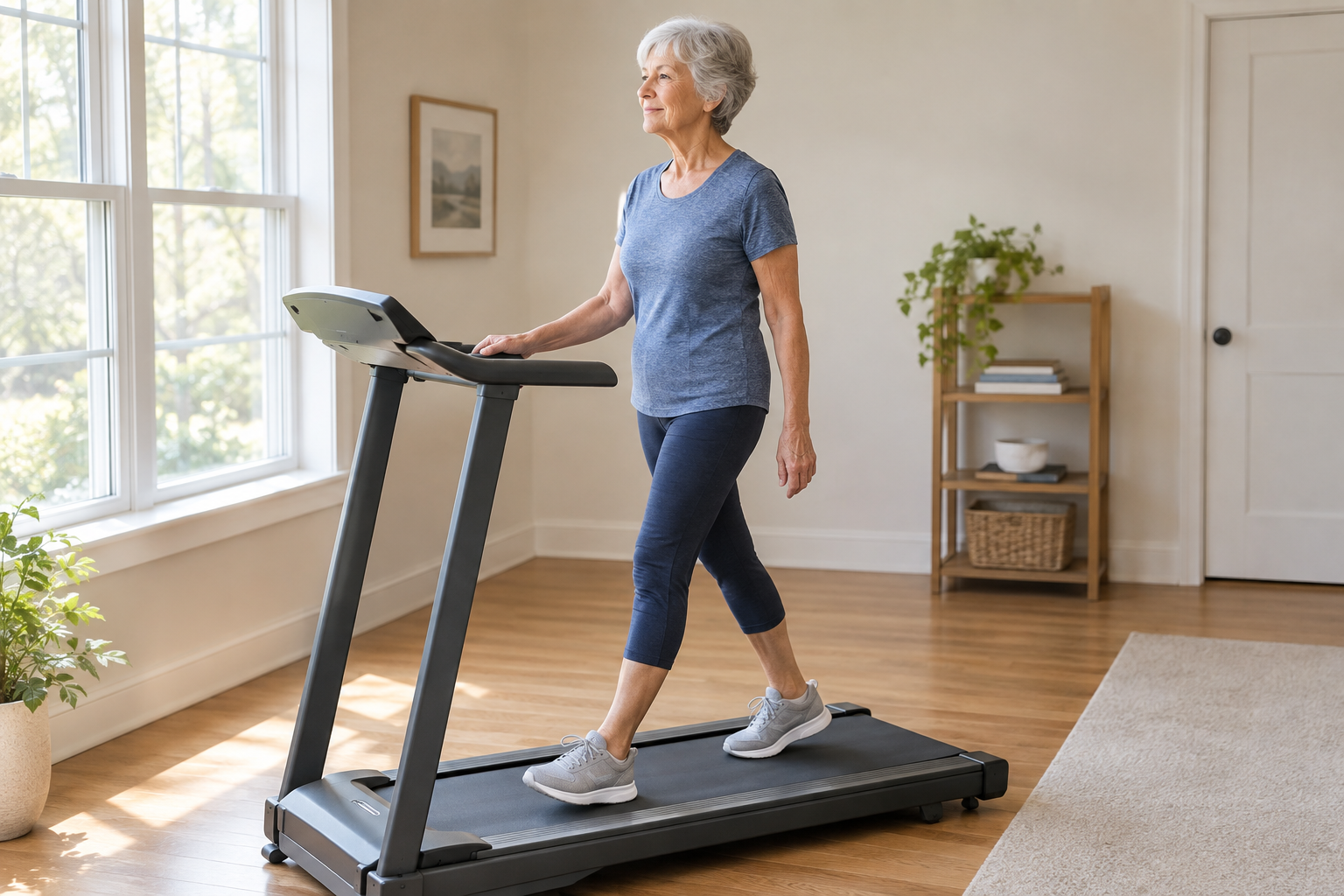
Weak legs are a common problem in older adults and can significantly affect balance, mobility, and independence.
As a physical therapist, I frequently see leg weakness contribute to falls, reduced confidence, and loss of independence in older adults.
While some loss of strength naturally occurs with aging, sudden or severe leg weakness should never be ignored.
In some cases, weak legs in elderly adults may be linked to dehydration, poor circulation, nerve problems, medication side effects, or underlying medical conditions.
Understanding the possible causes can help seniors and caregivers take steps to improve safety, reduce fall risk, and maintain independence.
In this article, we’ll cover:
- Common causes of weak legs in seniors
- Warning signs to watch for
- When leg weakness may be serious
- Exercises and strategies to improve strength and stability
Quick Answer
Weak legs in elderly adults may be caused by muscle loss, inactivity, dehydration, poor circulation, nerve problems, medications, or underlying medical conditions. While mild strength decline can occur with aging, sudden or severe weakness should always be evaluated.
Is Leg Weakness Normal With Aging?
Some muscle loss and strength decline are considered a normal part of aging.
Beginning around age 30, adults gradually lose muscle mass over time, and this process tends to accelerate after age 60.
This age-related muscle loss is known as sarcopenia and it affects many older adults and can lead to:
- Reduced leg strength
- Slower walking speed
- Difficulty climbing stairs
- Trouble standing up from a chair
- Poor balance and stability
- Increased fatigue during activity
Unfortunately, aging muscles also recover more slowly after illness, injury, or inactivity.
Even a short period of bed rest or reduced movement can lead to noticeable weakness in seniors (in fact, a lot of the seniors I treat are returning home from short hospital stays and need therapy to regain strength lost during short bouts of bed rest).
That said, there’s an important difference between:
- Gradual age-related strength loss
and - Sudden or severe leg weakness
Normal aging should not cause:
- Sudden inability to walk
- One leg becoming dramatically weaker
- Frequent collapsing or falling
- Severe numbness
- Rapid loss of mobility
- New confusion or dizziness alongside weakness
These symptoms may signal an underlying medical issue that requires medical evaluation.
It’s also important to understand that many older adults assume weakness is “just aging” when treatable factors may actually be contributing to the problem.
Common treatable causes include:
- Dehydration
- Vitamin deficiencies
- Medication side effects
- Physical inactivity
- Poor nutrition
- Balance disorders
- Circulation problems
The good news though, is that muscle strength can often improve at any age.
Research consistently shows that seniors can build strength, improve balance, and regain mobility through regular movement and targeted exercise.
Even small improvements in leg strength may help older adults:
- Walk more confidently
- Reduce fall risk
- Maintain independence longer
- Improve energy levels
- Perform daily activities more safely
While some slowing down with age is common, significant weakness should never simply be dismissed as “normal aging” without looking for possible underlying causes.
Common Causes of Weak Legs in Elderly Adults
Speaking of which, there are many possible reasons older adults may develop weak legs.
1. Muscle Loss From Aging (Sarcopenia)
We already mentioned this one, but sarcopenia is the most common causes of age-related muscle loss.
Seniors naturally lose muscle mass over time, especially if they:
- Spend long periods sitting
- Exercise less frequently
- Recover from illness or hospitalization
- Do not consume enough protein
Weak muscles can make everyday activities much more difficult.
2. Physical Inactivity
Lack of movement quickly leads to deconditioning.
Even a few weeks of reduced activity due to illness, injury, or bed rest can cause noticeable leg weakness in older adults.
We all know the saying “if you don’t use it, you lose it” and unfortunately, it’s all too true… especially for the elderly.
Signs of deconditioning may include:
- Fatigue while walking
- Difficulty climbing stairs
- Feeling unsteady
- Shortness of breath during activity
Fortunately, adding physical activity (exercise) back into the routine can undo inactivity related weakness.
3. Poor Circulation
Reduced blood flow to the legs can contribute to weakness, heaviness, or cramping.
Circulation problems may be linked to:
- Peripheral artery disease (PAD)
- Heart disease
- Diabetes
- Smoking history
Some seniors may also experience numbness, cold feet, or leg pain while walking.
4. Nerve Problems
Nerve-related conditions can interfere with muscle control and strength as well.
Common causes include:
- Peripheral neuropathy
- Diabetes
- Spinal stenosis
- Sciatica
- Pinched nerves
Symptoms may include:
- Tingling
- Burning sensations
- Numbness
- Balance problems
- Difficulty lifting the feet
5. Dehydration
Dehydration can affect muscle function, circulation, and blood pressure.
Older adults who are dehydrated may feel:
- Weak
- Lightheaded
- Fatigued
- Unsteady when walking
Because seniors are more prone to dehydration (and the dizziness that often comes with it), even mild fluid loss can worsen leg weakness and increase fall risk.
6. Medication Side Effects
Certain medications may contribute to weakness or fatigue.
Common examples include:
- Blood pressure medications
- Sedatives
- Muscle relaxers
- Cholesterol medications
- Some pain medications
Medication-related weakness should always be discussed with a healthcare provider.
7. Vitamin Deficiencies
Low levels of certain nutrients can affect muscle and nerve function.
Possible deficiencies include:
- Vitamin B12
- Vitamin D
- Iron
- Magnesium
These deficiencies may contribute to weakness, fatigue, numbness, or balance problems.
8. Arthritis and Joint Pain
Painful joints can reduce movement and cause muscles to weaken over time.
Seniors with arthritis may avoid activity because walking or standing becomes uncomfortable.
Unfortunately, reduced movement often leads to additional weakness and instability.
Arthritis can certainly make it more challenging to exercise, but becoming less active shouldn’t be an option- trust me when I say exercise is always an option.
9. Neurological Conditions
Certain neurological disorders may cause progressive weakness or mobility changes.
Examples include:
- Parkinson’s disease
- Stroke
- Multiple sclerosis
- Dementia-related mobility decline
These conditions may also affect coordination and balance.
Understanding why the legs got weak is the first half. If you want a structured way to do something about it, Strong & Steady: Strength is a 28-day program built around this exact problem — eight everyday movements, each with a seated version to start from.
Warning Signs That Leg Weakness May Be Serious
Some symptoms require immediate medical attention.
Seek emergency care if leg weakness occurs with:
- Sudden inability to walk
- Facial drooping
- Slurred speech
- Severe dizziness
- Loss of bladder or bowel control
- Chest pain
- Sudden numbness on one side of the body
- Legs buckling or “giving out” during walking
These symptoms could indicate a stroke or another serious medical emergency.
How Weak Legs Affect Fall Risk
Leg weakness is one of the biggest contributors to falls in older adults.
This shouldn’t come as much of a surprise because feeling weak makes everything more challenging.
Weak muscles reduce the body’s ability to:
- Recover balance
- Climb stairs safely
- Walk on uneven surfaces
- Stand up quickly
- Prevent trips and stumbles
Many seniors begin limiting activity after a fall or near-fall, which can worsen weakness even more.
This creates a cycle:
Weakness → less activity → more weakness → higher fall risk
Breaking this cycle early is extremely important and strengthening exercises should always be part of your fall reduction plan.
How Seniors Can Improve Leg Strength Safely
The good news is that older adults can often improve strength and stability with consistent movement and exercise.
Simple Strengthening Exercises
If you or a loved one is noticing muscle weakness, it’s always a good idea to consult with your health provider or to seek a physical therapy consult.
But if you’re comfortable with starting on your own, these beginner exercises are a good place to start:
- Sit-to-stand exercises
- Heel raises
- Standing marches
- Side leg raises
- Mini squats
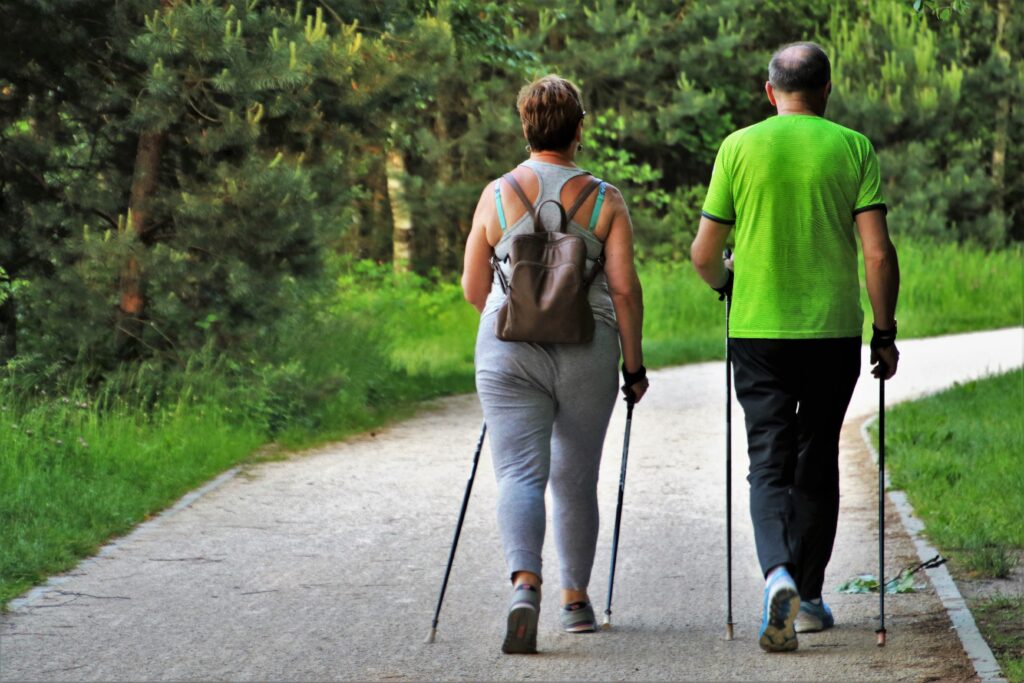
- Walking programs
Consistency matters more than intensity and keep in mind that any exercise is better than none!
Stay Physically Active
Daily movement helps maintain:
- Muscle strength
- Circulation
- Joint mobility
- Balance confidence
Even short walks can help.
If nothing else, start a daily walking program.
Eat Enough Protein
Protein supports muscle maintenance and recovery.
Good sources include:
- Eggs
- Fish
- Greek yogurt
- Beans
- Lean meats
Stay Hydrated
Proper hydration supports:
- Muscle function
- Blood pressure
- Energy levels
Dehydration can worsen weakness and dizziness.
Discuss Symptoms With a Healthcare Provider
Persistent or worsening weakness should be evaluated, especially if:
- Falls are occurring
- Walking becomes difficult
- Symptoms appeared suddenly
- Numbness or pain develops
Final Thoughts
Weak legs in elderly adults can result from many different causes, including muscle loss, inactivity, dehydration, poor circulation, medication side effects, and underlying medical conditions.
While some age-related strength loss is common, severe or sudden weakness is not normal and should not be ignored.
The good news is that many seniors can improve strength, mobility, and stability through regular movement, balance exercises, proper hydration, and medical evaluation when needed.
After all, if improving strength and mobility as we age wasn’t possible, I’d be out of a job.
Anyway, taking action early can help older adults stay safer, more confident, and independent longer.
Frequently Asked Questions
Why do elderly legs suddenly give out?
This may be caused by muscle weakness, poor balance, nerve issues, circulation problems, dehydration, or certain medical conditions.
Can dehydration cause weak legs in seniors?
Yes. Dehydration can affect muscle function and blood pressure, leading to weakness and instability.
What exercises help strengthen elderly legs?
Simple exercises like sit-to-stands, heel raises, walking, and standing marches can help improve strength and balance.
When should leg weakness in seniors be evaluated?
Sudden, severe, or worsening weakness should always be assessed by a healthcare provider.
Is walking good for weak legs in seniors?
Yes. Walking helps maintain strength, circulation, and mobility when performed safely and consistently.