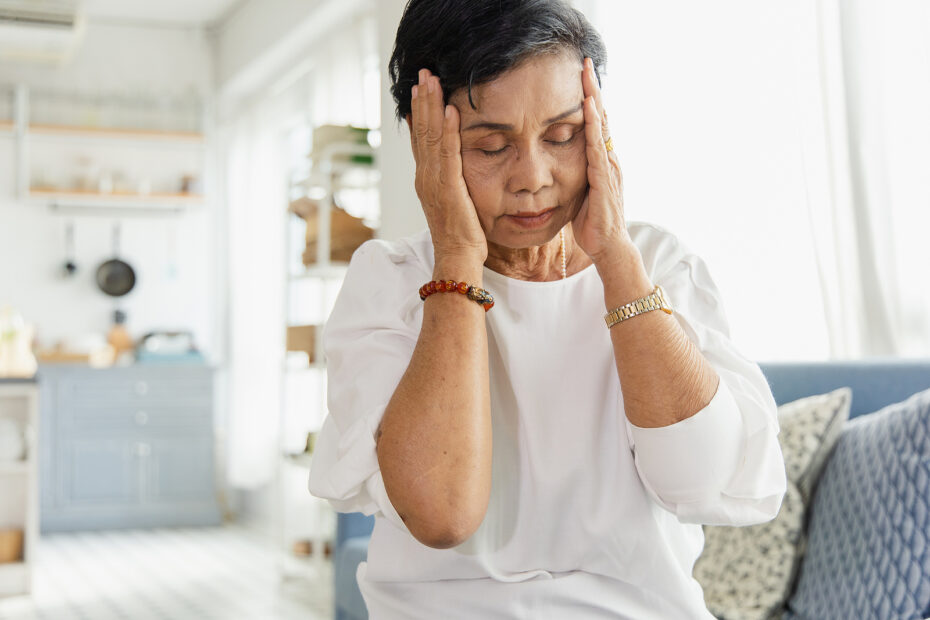
Feeling dizzy when standing up is a common experience for many older adults. It can happen suddenly -after getting out of bed, standing from a chair, or even just changing positions – and may leave you feeling unsteady or at risk of falling.
While occasional lightheadedness might not seem like a big concern, frequent or severe dizziness when standing can signal an underlying issue with blood pressure regulation.
In many cases, this is due to a condition called orthostatic hypotension, where blood pressure drops quickly upon standing and reduces blood flow to the brain.
For seniors, this type of dizziness is more than just uncomfortable.
It can increase the risk of falls, fainting (syncope), and injury—making it important to understand why it happens and how to prevent it.
Orthostatic hypotension is a condition where blood pressure drops when standing up, reducing blood flow to the brain and causing dizziness or lightheadedness.
What Is Orthostatic Hypotension?
Orthostatic hypotension occurs when blood pressure drops significantly upon standing. Clinically, it’s defined as a drop of:
- 20 mmHg or more in systolic blood pressure, or
- 10 mmHg or more in diastolic blood pressure
within a few minutes of standing.
Normally, your body adjusts quickly when you stand – your heart rate increases slightly, and blood vessels tighten to maintain blood flow to the brain.
This process is controlled by the autonomic nervous system and should prevent feelings of dizziness with positional changes.
In older adults however, this response may be slower or less effective.
As a result, blood can briefly pool in the legs, reducing blood flow to the brain and causing dizziness or even fainting.
Why Do Seniors Feel Dizzy When Standing Up?
Seniors often feel dizzy when standing up because their blood pressure drops suddenly, a condition known as orthostatic hypotension.
This reduces blood flow to the brain for a short time, causing lightheadedness or unsteadiness.
But Why Does It Happen More Often in Seniors?
Several age-related changes make orthostatic hypotension more common in the elderly:
- Reduced sensitivity of blood pressure regulation
- Slower autonomic nervous system response
- Decreased elasticity of blood vessels
- Loss of muscle tone in the legs (less “pumping” of blood back to the heart)
- Increased likelihood of dehydration
- Use of medications that affect blood pressure
These changes make it harder for the body to adapt quickly when standing.
Common Symptoms
Symptoms usually occur within seconds to a few minutes of standing and may include:
- Lightheadedness or dizziness
- Blurred or dim vision
- Weakness or fatigue
- Feeling unsteady or off balance
- Nausea
- Difficulty concentrating
- Fainting (in more severe cases)
Some people also describe a “head rush” or feeling like they might black out.
If symptoms occur without warning or lead to loss of consciousness, this may indicate a more serious cause.
When Standing Up Leads to Fainting
In more severe cases, orthostatic hypotension can lead to syncope (fainting) if blood flow to the brain drops too much.
This is especially concerning in older adults because fainting often results in falls and injury.
For a deeper look at how fainting occurs and when it may signal a serious condition, see our full guide on syncope and seniors.
Common Causes of Orthostatic Hypotension
Orthostatic hypotension is often caused by a combination of factors:
Dehydration
Not drinking enough fluids reduces blood volume, making it harder to maintain blood pressure—especially when changing positions.
And as a physical therapist, I see this all the time.
Unfortunately, dehydration is all too common in seniors and it isn’t as easy as it seems to fix.
As we age, we tend to lose the desire to drink fluids, but decreased kidney function and certain meds can make it easier for seniors to become dehydrated as well.
Altered mental status and dementia can play big roles as well.
It can be helpful to keep a bottle of water near by at all times for sipping throughout the day and caregivers, feel free to nag seniors in your life about the amount of water they drink.
In my experience, I would say dehydration is one of the biggest causes of dizziness in the elderly population.
Medications
Certain medications are a leading cause, including:
- Blood pressure medications
- Diuretics
- Antidepressants
- Sedatives
Learn more by reading our full guide on which medications are most likely to increase fall risk.
Prolonged Sitting or Bed Rest
Being inactive weakens circulation and reduces the body’s ability to regulate blood pressure.
And sitting in a dependent position (feet down to the floor) for too long can cause blood to pool in the legs, leading to less blood flow to the brain.
Chronic Conditions
Conditions that affect the nervous system can interfere with blood pressure control, including:
- Diabetes
- Parkinson’s disease
- Peripheral neuropathy
Post-Meal Blood Pressure Drops
Some seniors experience postprandial hypotension, where blood pressure drops after eating due to blood being redirected to the digestive system.
This may sound like a rare disorder, but some studies suggest that upwards of 40% of seniors aged between 65 – 86 might actually experience this.
If your orthostatic hypotension seems to occur within 2 hours of eating, postprandial hypotension could be the root cause.
Why All This Matters: Fall Risk in Seniors
A little dizziness here and there with standing may not seem like that big a deal, but it significantly increases fall risk.
And as a physical therapist, I can tell you this is one of the most common patterns I see:
A senior stands up quickly → feels dizzy → loses balance → falls
And falls are one of the leading causes of injury in older adults, often leading to fractures, hospitalization, and loss of independence.
This is especially true of backward falls, one of the most dangerous (and common) ways for seniors to fall.
In fact, in home health, one of our primary goals is often reducing fall risk for our senior patients, so anything we can do to make that risk smaller is worth considering.
How Orthostatic Hypotension Is Diagnosed
If symptoms are frequent, a healthcare provider may evaluate for orthostatic hypotension.
This typically includes:
Orthostatic Vital Signs
- Blood pressure measured lying down, sitting, and standing
Medical History Review
- Symptoms, medications, and health conditions
Additional Testing (if needed)
- Heart rhythm monitoring
- Blood tests
- Tilt-table testing
Identifying the underlying cause is key to proper treatment.
How to Prevent Dizziness When Standing
The good news is that orthostatic hypotension can often be improved with simple, consistent strategies.
And even if the underlying cause can’t be corrected, we can usually significantly reduce the fall risk associated with it.
1. Stand Up Slowly
If coming from a lying position, sit upright for a few moments before standing. Once standing, stand still for a few moments to see if dizziness is going to hit.
If it does hit, sit back down and wait for it to pass before standing again.
2. Hydrate Consistently
Drink fluids throughout the day to maintain blood volume.
If you notice dizziness with movement or position changes, it could be as simple as needing to hydrate more.
3. Use a “Transition Routine”
Before standing:
- Sit upright for 10–15 seconds
- Move your legs
- Take a few deep breaths
This gives your body time to adjust.
4. Move Your Legs First
Pumping your ankles or tightening your leg muscles helps push blood back toward the heart.
5. Review Medications
Talk with a healthcare provider about medications that may contribute.
That said, never stop taking any prescribed meds without talking to your healthcare provider first.
6. Improve Strength and Balance
As a physical therapist working with older adults, I often see how improving lower body strength reduces dizziness-related instability.
Again, even if the underlying condition causing the blood pressure to drop can’t be corrected, having stronger legs (and better balancing reflexes) is going to make you feel more secure when standing.
7. Be Mindful After Meals
If symptoms occur after eating, try:
- Smaller meals
- Sitting upright after eating
- Avoiding sudden standing
When to See a Doctor
Occasional mild dizziness may not be serious, but medical evaluation can be important.
You should see a doctor for dizziness when standing if you notice any of the following:
- Symptoms happen frequently
- Dizziness leads to falls or near-falls
- Fainting occurs
- Symptoms are worsening
- There is chest pain, palpitations, or shortness of breath
- Episodes occur without warning
These may indicate a more serious underlying condition.
When in doubt, reach out to your primary care physician for an assessment and more info.
Long-Term Outlook
Orthostatic hypotension is often manageable with the right approach.
For many seniors, a combination of:
- Hydration
- Movement strategies
- Strength training
- Medication adjustments
- Blood pressure monitoring
can significantly reduce symptoms and improve safety.
Early recognition and consistent habits can make a meaningful difference for most seniors.
And when it comes to monitoring your blood pressure at home, Amazon has some affordable options to choose from (just make sure you opt for an upper arm cuff and not a wrist cuff – wrist cuffs are notoriously inaccurate).
FAQ: Orthostatic Hypotension in Seniors
Why do I feel dizzy when I stand up?
This is often caused by a drop in blood pressure known as orthostatic hypotension.
Is this a normal part of aging?
It becomes more common with age, but frequent symptoms should still be evaluated.
Can it cause fainting?
Yes—if blood flow to the brain drops too much, it can lead to syncope.
How can I prevent it?
Hydration, slow position changes, medication review, and strengthening exercises can all help.
How long does orthostatic hypotension last?
Symptoms are usually brief—lasting seconds to a few minutes after standing. However, in some cases, symptoms may persist longer, especially if dehydration or medication effects are involved.
What is the difference between vertigo and orthostatic hypotension?
Orthostatic hypotension causes lightheadedness due to a drop in blood pressure when standing. Vertigo, on the other hand, is a spinning sensation often related to inner ear problems. Understanding the difference helps guide proper treatment.
Does dehydration make orthostatic hypotension worse?
Yes. Dehydration reduces blood volume, making it harder for the body to maintain stable blood pressure when changing positions.
Can medications cause dizziness when standing?
Yes. Medications such as blood pressure drugs, diuretics, sedatives, and some antidepressants can contribute to orthostatic hypotension and increase the risk of dizziness and falls.
Is orthostatic hypotension dangerous?
It can be. While mild cases may only cause brief dizziness, more severe cases can lead to fainting, falls, and injury—especially in older adults.
What is the fastest way to stop dizziness when standing?
If you feel dizzy, sit or lie down immediately to prevent falling. Elevating your legs and taking slow, deep breaths can help restore blood flow to the brain more quickly.
Can exercise help orthostatic hypotension?
Yes. Regular exercise—especially strength and balance training—can improve circulation and reduce symptoms over time. However, exercises should be done safely and gradually.