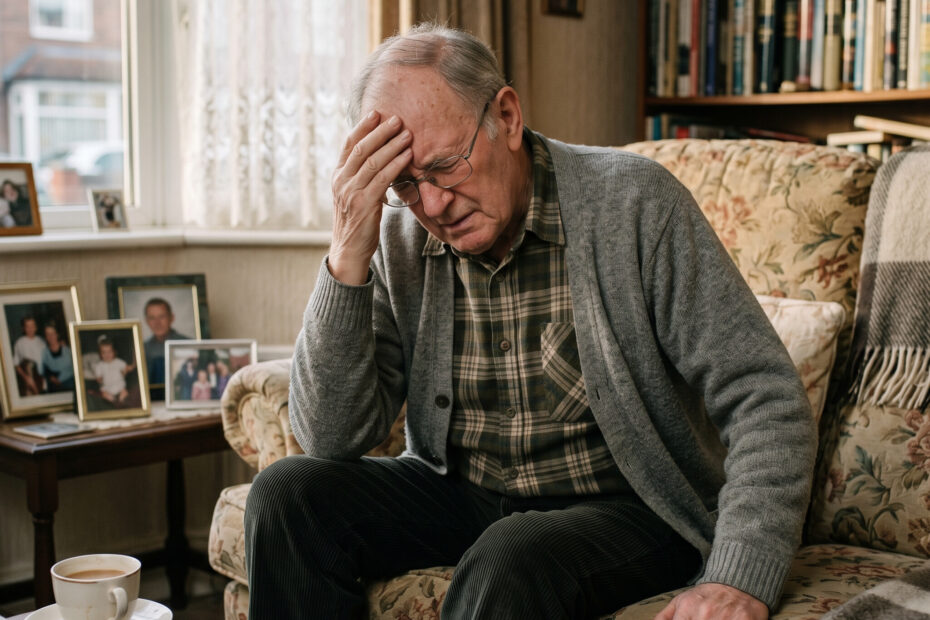
Sudden dizziness in seniors can be alarming, especially when it appears without warning.
Some episodes are caused by relatively mild issues such as dehydration or temporary blood pressure changes, while others may signal a more serious medical condition involving the heart, brain, or inner ear.
Because dizziness is one of the leading contributors to falls in older adults, sudden or severe symptoms should always be taken seriously.
Understanding the possible causes, and recognizing important warning signs, can help seniors and caregivers respond appropriately and seek medical care when needed.
What Does Dizziness Feel Like?
The word “dizziness” can describe several different sensations. Some seniors feel lightheaded or faint, while others experience spinning, imbalance, or difficulty walking steadily.
Older adults commonly describe dizziness as:
- feeling unsteady
- feeling faint
- a spinning sensation
- floating or disorientation
- weakness or shakiness
If we can pin-point the specific type of dizziness being experienced, it often provides important clues about the underlying cause.
Common Causes of Sudden Dizziness in Seniors
Many cases of sudden dizziness are related to circulation, medication effects, dehydration, or balance system disorders.
Blood Pressure Changes
Sudden blood pressure fluctuations are among the most common causes of dizziness in older adults. This frequently occurs when standing up too quickly, a condition known as orthostatic hypotension.
Normally, the body rapidly adjusts circulation during position changes to maintain steady blood flow to the brain.
Aging can slow this response however, allowing blood pressure to briefly drop before the body compensates.
As a result, seniors may experience lightheadedness, blurry vision, weakness, or temporary unsteadiness after standing.
Dehydration, prolonged sitting, illness, and blood pressure medications often make these episodes more likely.
Inner Ear Problems (Vertigo)
The inner ear contains structures that help control balance and spatial orientation.
Disorders affecting this system can produce sudden vertigo – a spinning sensation that may feel severe and disorienting.
One of the most common causes is benign paroxysmal positional vertigo (BPPV), which is especially common in older adults.
Symptoms are often triggered by head movement, rolling in bed, or looking upward.
For example, if you experience a room spinning sensation when you get in or out of bed, it’s probably BPPV.
This vertigo can be alarming, but fortunately, physical therapy can usually eliminate the symptoms with a series of movements and exercises.
Vertigo may also cause nausea, balance loss, and increased fall risk though, so it should certainly be taken seriously.
Dehydration
Even mild dehydration can significantly affect older adults.
Aging reduces thirst sensation and decreases the body’s overall water reserves, making seniors more vulnerable to fluid imbalance.
When dehydration lowers blood volume, blood pressure may fall and reduce blood flow to the brain. This can lead to dizziness, weakness, fatigue, and confusion.
Hot weather, illness, poor fluid intake, and certain medications — especially diuretics — can worsen dehydration-related dizziness.
As a physical therapist, I find my self educating seniors about the importance of proper hydration all the time because it can affect so many different aspects of health.
And as simple as dehydration sounds to correct, it can be surprisingly difficult to get seniors to drink enough fluids daily.
Medication Side Effects
Many medications commonly prescribed to seniors affect circulation, alertness, or balance.
And in some cases, dizziness develops after starting a new medication or changing dosage levels.
Blood pressure medications, sedatives, sleep aids, antidepressants, and Parkinson’s medications are all common contributors.
Older adults taking multiple medications may be particularly susceptible because drug interactions can amplify side effects.
Low Blood Sugar
Low blood sugar may also trigger sudden dizziness, particularly in seniors with diabetes or poor appetite.
Inadequate food intake can reduce the brain’s energy supply and cause symptoms such as weakness, shakiness, sweating, confusion, or faintness.
Serious Causes of Sudden Dizziness
While many dizziness episodes are relatively benign, some may indicate a medical emergency.
Stroke or Transient Ischemic Attack (TIA)
Sudden dizziness can occasionally be a warning sign of stroke, particularly when accompanied by neurological symptoms.
Strokes affecting the cerebellum or brainstem may cause severe dizziness, imbalance, nausea, and difficulty walking.
Unlike typical vertigo, neurological dizziness is often associated with other concerning symptoms such as slurred speech, double vision, facial drooping, or one-sided weakness.
Immediate medical attention is critical if these symptoms occur.
Heart Problems
The heart plays a central role in maintaining adequate blood flow to the brain.
Abnormal heart rhythms, heart attacks, or reduced cardiac output can lead to dizziness or fainting, especially while walking.
Symptoms such as chest pain, shortness of breath, palpitations, or sudden fatigue alongside dizziness may suggest a cardiovascular problem requiring urgent evaluation.
Severe Infection
Infections in older adults sometimes present differently than they do in younger individuals.
Seniors may develop dizziness, confusion, weakness, or falls even before fever appears.
Urinary tract infections, pneumonia, and systemic infections can all contribute to sudden dizziness through dehydration, inflammation, or blood pressure changes.
Warning Signs That Should Never Be Ignored
Certain symptoms accompanying dizziness may indicate a more serious condition.
| Warning Sign | Why It May Be Serious |
|---|---|
| Slurred speech | Possible stroke |
| One-sided weakness or numbness | Stroke, neurological emergency |
| Chest pain | Possible cardiac event |
| Fainting | Reduced brain blood flow |
| Severe headache | Possible bleeding or stroke |
| Vision changes | Possible neurological or vascular issue |
| Difficulty walking | Increased fall risk and possible brain involvement |
| Shortness of breath | Heart or lung problem |
| Confusion | Possible infection, stroke, or poor circulation |
Why Sudden Dizziness Is More Dangerous in Seniors
Older adults are more vulnerable to injury because aging affects balance reactions, coordination, muscle strength, and bone density.
Even a brief dizzy spell can lead to a serious fall.
In many cases, dizziness in seniors is caused by multiple overlapping issues rather than a single problem.
A senior may simultaneously experience mild dehydration, medication side effects, reduced circulation, and age-related balance decline.
This combination greatly increases the risk of falls, fractures, hospitalization, and loss of independence.
How Doctors Evaluate Sudden Dizziness
Evaluating dizziness in seniors often requires looking at several body systems together.
Healthcare providers may assess blood pressure changes, heart rhythm, medication effects, neurological symptoms, hydration status, and walking balance.
Testing sometimes includes blood work, ECG testing, brain imaging, vestibular assessment, or cardiac monitoring depending on the suspected cause.
The goal is to determine whether symptoms stem from circulation problems, inner ear disorders, neurological disease, medication side effects, or another medical condition.
And because the term “dizziness” is so vague and subjective, it can be challenging to determine what specifically is causing the unwanted symptoms.
For seniors feeling the dizziness, being as specific as possible when describing the symptoms can help healthcare providers in diagnosing the cause.
Paying attention to when the dizziness attacks occur will help as well.
Reducing the Risk of Dizziness
Although not every cause of dizziness can be prevented, several strategies may reduce episodes and improve safety.
Staying properly hydrated is one of the most important steps because dehydration commonly worsens dizziness and blood pressure instability.
Seniors should also stand up slowly after sitting or lying down to give the body more time to adjust circulation.
Regular physical activity can improve leg strength, circulation, and balance control, while medication reviews may help identify drugs contributing to symptoms.
For seniors with persistent instability, assistive devices such as canes or walkers may help reduce fall risk.
Final Thoughts
Sudden dizziness in seniors can range from a temporary circulation problem to a serious medical emergency.
Because dizziness significantly increases fall risk and may sometimes signal stroke, heart disease, or severe illness, persistent or severe symptoms should never be dismissed.
Recognizing common causes and warning signs early can help seniors receive timely care, improve safety, and maintain independence.
Frequently Asked Questions
Is sudden dizziness normal in seniors?
Occasional mild dizziness may occur here and there, but sudden or severe dizziness is not normal and should never be ignored, especially if symptoms are new or worsening.
What is the most common cause of sudden dizziness in older adults?
Common causes include blood pressure changes, dehydration, medication side effects, and inner ear disorders such as vertigo.
When is dizziness considered an emergency?
Dizziness requires immediate medical attention if it occurs with chest pain, fainting, slurred speech, weakness, confusion, or vision changes.
Can dehydration cause sudden dizziness?
Yes! Dehydration can lower blood pressure and reduce blood flow to the brain, leading to dizziness and instability.
Can medications make seniors dizzy?
Yes. Many medications affect blood pressure, circulation, balance, or alertness and may contribute to dizziness in older adults.


My mom was diagnosed with Parkinson’s disease four years ago. Despite following prescribed treatments for over two years, her condition continued to progress the tremors became more noticeable, stiffness increased, and even simple daily activities became more difficult.
Last year, we decided to try a herbal program from NaturePath Herbal Clinic. Although we were initially hesitant, within a few months we began to notice encouraging improvements. Her movements became steadier, her energy gradually improved, and she was able to handle daily tasks with greater ease and confidence.Seeing her regain strength and a better quality of life has meant everything to our family.If you or someone you love is facing Parkinson’s disease, you may consider exploring their approach:Website: http://www.naturepathherbalclinic.com
Email: info@naturepathherbalclinic.com
Thanks for sharing and glad to hear your mom is doing better. Definitely something to consider, just make sure you always discuss new meds or supplements with your healthcare providers.