Balance problems are common in older adults, but they should never be ignored.
Poor balance in seniors can increase the risk of falls, injuries, and loss of independence and in many cases, balance issues develop gradually, making early warning signs easy to overlook.
As a home health physical therapist, I deal with this everyday.
I see patients all the time that don’t realize they have balance deficits until we start testing things out and assessing what they can and can’t do.
It can be humbling, but it’s important because understanding the symptoms of poor balance can help seniors and caregivers recognize potential problems before a serious fall occurs.
The good news is that many balance issues can be improved with proper medical care, exercise, and lifestyle adjustments.
| Sign of Poor Balance | What It May Look Like | Why It Matters |
|---|---|---|
| Frequent Stumbling or Tripping | Catching feet on rugs, thresholds, or uneven surfaces | May indicate reduced coordination, weakness, or mobility decline |
| Feeling Unsteady While Walking | Wobbling, swaying, or feeling unstable when moving | Increases the risk of falls and injuries |
| Walking More Slowly Than Usual | Moving cautiously or taking shorter steps | Often reflects fear of falling or reduced stability |
| Holding Onto Furniture or Walls | Using counters, walls, or furniture for support | Suggests declining balance confidence and mobility |
| Difficulty Standing Up From a Chair | Struggling to rise or needing to push with hands | May signal lower body weakness and poor balance control |
| Dizziness or Lightheadedness | Feeling faint, dizzy, or off-balance | Can result from dehydration, medication side effects, or inner ear issues |
| Fear of Falling | Avoiding stairs, outdoor activities, or walking alone | Can lead to reduced activity and worsening balance over time |
| Trouble Turning or Changing Direction | Taking multiple small steps to turn safely | May indicate coordination or neurological problems |
| Shuffling Feet While Walking | Dragging feet instead of lifting them normally | Increases tripping risk and may reflect muscle or nerve issues |
| Frequent Falls or Near Falls | Losing balance often, even without injury | One of the clearest warning signs that intervention is needed |
Why Balance Problems Become More Common With Age
Balance depends on several systems in the body working together smoothly, including the muscles, joints, eyes, inner ear, nerves, and brain.
And as we age, natural changes in these systems can make maintaining stability more difficult.
While some decline is common over time, significant balance problems should never be dismissed as “just aging.”
Muscle Loss and Reduced Strength
One of the biggest contributors to balance decline is age-related muscle loss, known as sarcopenia.
After age 50, adults gradually lose muscle mass and strength each year, especially in the legs and core muscles that help stabilize the body.
Weaker muscles can make it harder to:
- Stand up quickly
- Recover from a stumble
- Climb stairs safely
- Maintain posture while walking
Even small decreases in strength can increase fall risk over time and leg weakness in the elderly is a lot more common than it needs to be.
Slower Reflexes and Reaction Time
The body’s reaction speed naturally slows with age.
When a younger person trips or loses balance, the brain and muscles often react quickly enough to prevent a fall.
In seniors, those corrective responses may happen more slowly.
This delay can make it harder to:
- Catch oneself during a stumble
- Adjust to uneven surfaces
- React to sudden movements
- Regain stability after losing footing
In fact, a lot of the balance exercises I do with my patients involves trying to increase the speed of these corrective responses.
This means putting my patients in positions where they are losing their balance and they have to make corrections to regain their stability.
These exercises can be a little scary, but even subtle improvements in reaction time can make the difference between a fall and not falling.
Changes in Vision
Vision plays a major role in balance and spatial awareness. Aging adults may develop:
- Cataracts
- Glaucoma
- Reduced depth perception
- Difficulty seeing in low light
When vision becomes less reliable, the brain receives less accurate information about surroundings and body positioning, increasing the likelihood of instability.
Inner Ear Changes
The inner ear contains the vestibular system, which helps control balance and orientation. And as people age, this system can become less effective.
This may lead to:
- Dizziness
- Vertigo
- Feeling unsteady
- Difficulty walking in dark environments
Even subtle changes in inner ear function can significantly affect balance.
If you’ve ever experienced a spinning sensation or feeling like the room is spinning around you, it’s likely vertigo and related to your inner ear.
If you’re not sure if what you’re experiencing is dizziness or vertigo, check out our full guide on dizziness vs vertigo to learn more.
Joint Stiffness and Reduced Flexibility
Arthritis and general wear-and-tear on the joints can limit flexibility and movement.
Stiff hips, knees, ankles, or feet may interfere with normal walking patterns and balance reactions, making it easier for seniors to lose their balance.
Pain can also cause seniors to change how they walk, which may create additional instability.
Nerve Function Decline
Nerves in the feet and legs help the brain detect body position and movement.
Conditions such as diabetes-related neuropathy can reduce sensation in the feet, making it harder to feel the ground properly while walking.
Without accurate sensory feedback, balance becomes much more difficult to maintain.
Chronic Health Conditions
Many common age-related health conditions can contribute to poor balance, including:
- Stroke
- Parkinson’s disease
- Diabetes
- Heart disease
- Low blood pressure
- Cognitive decline
In many cases, multiple conditions interact and gradually worsen stability.
Medication Side Effects
Older adults are more likely to take several medications at once, and some prescriptions may affect balance or coordination. Side effects can include:
- Dizziness
- Drowsiness
- Blurred vision
- Weakness
- Lightheadedness
Medication-related balance problems are extremely common in seniors.
The Body’s Systems Work Together
Balance is not controlled by a single part of the body. It relies on communication between:
- The brain
- Eyes
- Inner ear
- Muscles
- Joints
- Nervous system
When several of these systems decline at the same time – as often happens with aging – balance deficits become much more noticeable.
Common Signs of Poor Balance in Seniors
1. Frequent Stumbling or Tripping
One of the earliest signs of poor balance is an increase in stumbling or tripping while walking.
Seniors may catch themselves on furniture, walls, or railings more often than before.
While occasional tripping can happen to anyone, repeated episodes may indicate reduced coordination, muscle weakness, or neurological changes.
2. Feeling Unsteady While Walking
Some seniors describe balance problems as feeling:
- Wobbly
- Unsteady
- Off-balance
- Like they might fall
This sensation may worsen when walking on uneven surfaces, climbing stairs, or turning quickly.
An unsteady gait should always be taken seriously because it significantly increases fall risk.
3. Walking More Slowly Than Usual
A noticeable slowdown in walking speed can sometimes be a protective response to poor balance.
Seniors may walk cautiously because they feel unstable or fear falling and believe moving slower makes them safer.
Slow walking combined with shuffling feet or difficulty lifting the legs may suggest underlying mobility or balance problems.
If you’ve noticed a change in walking speed recently, check out our full guide on what causes reduced walking speed in seniors.
4. Holding Onto Furniture or Walls
Using furniture or walls for support while walking around the home is another major warning sign.
This behavior often develops gradually, so family members may not notice it immediately. Seniors may also begin relying heavily on handrails or avoid walking without assistance.
As a therapist, I see this almost every day.
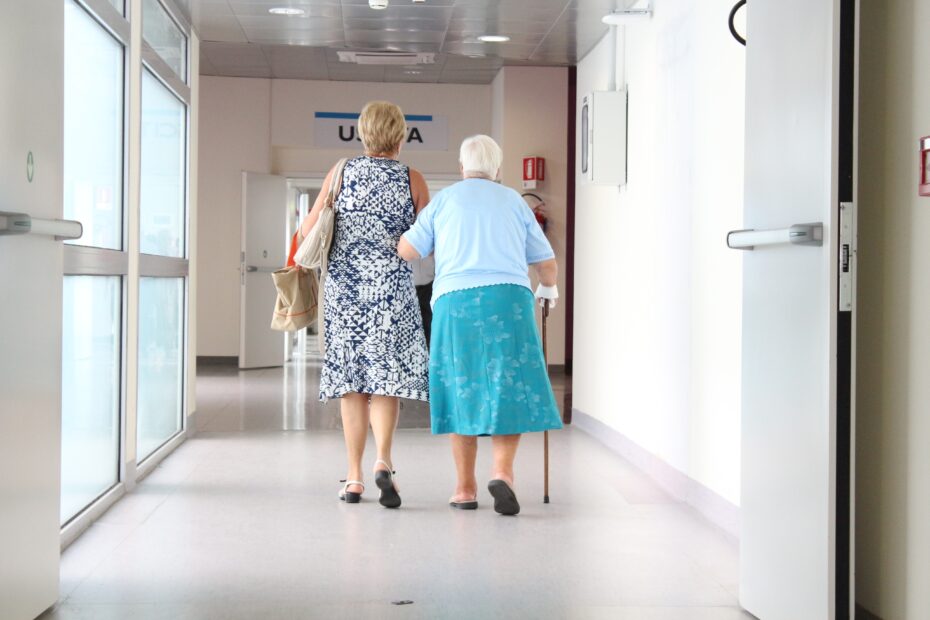
Folks tell me they don’t need a cane or walker, but then reach for furniture or surroundings for support as they start walking.
“Furniture surfing” is a big red sign that a senior likely has balance problems (and probably needs an assistive device).
5. Difficulty Standing Up From a Chair
Balance and lower body strength are closely connected. Seniors with poor balance may struggle to:
- Stand up smoothly
- Maintain stability after standing
- Transition from sitting to walking
They may rock back and forth before standing or need to push off with their hands.
6. Dizziness or Lightheadedness
Balance problems are sometimes linked to dizziness, vertigo, or feeling faint. Common causes include:
- Dehydration
- Blood pressure changes
- Inner ear disorders
- Medication side effects
Sudden dizziness should never be ignored, especially if it occurs repeatedly.
7. Fear of Falling
Many seniors become less active because they worry about falling.
This fear can actually worsen balance over time because reduced movement leads to weaker muscles and decreased coordination.
Signs of fear-related balance issues include:
- Avoiding stairs
- Limiting outdoor activities
- Hesitating while walking
- Refusing to walk without assistance
8. Trouble Turning or Changing Direction
Turning quickly requires strong coordination and balance control. Seniors with balance problems may:
- Turn very slowly
- Lose stability while pivoting
- Need multiple small steps to change direction
Difficulty turning is a common indicator of declining mobility and it also increases a senior’s risk of falling backwards (one of the most dangerous ways to fall).
9. Shuffling Feet While Walking
Instead of lifting the feet normally, some seniors begin shuffling while walking.
This can increase the risk of tripping over rugs, thresholds, or uneven surfaces.
Shuffling may be related to muscle weakness, arthritis, neurological conditions, or fear of falling.
10. Frequent Falls or Near Falls
Falls are one of the clearest signs that balance has become impaired – and yes, even “near falls” matter.
If a senior frequently loses balance but catches themselves before falling, it’s important to address the issue early before a serious injury occurs.
Why Poor Balance Should Never Be Ignored
Falls are one of the leading causes of injury among older adults. Poor balance can lead to:
- Broken bones
- Head injuries
- Hospitalization
- Reduced independence
- Fear of movement
- Long recovery periods
Early intervention can often improve stability and help seniors maintain confidence and mobility.
How Seniors Can Improve Balance
Stay Physically Active
Regular movement helps strengthen muscles that support balance. Activities such as:
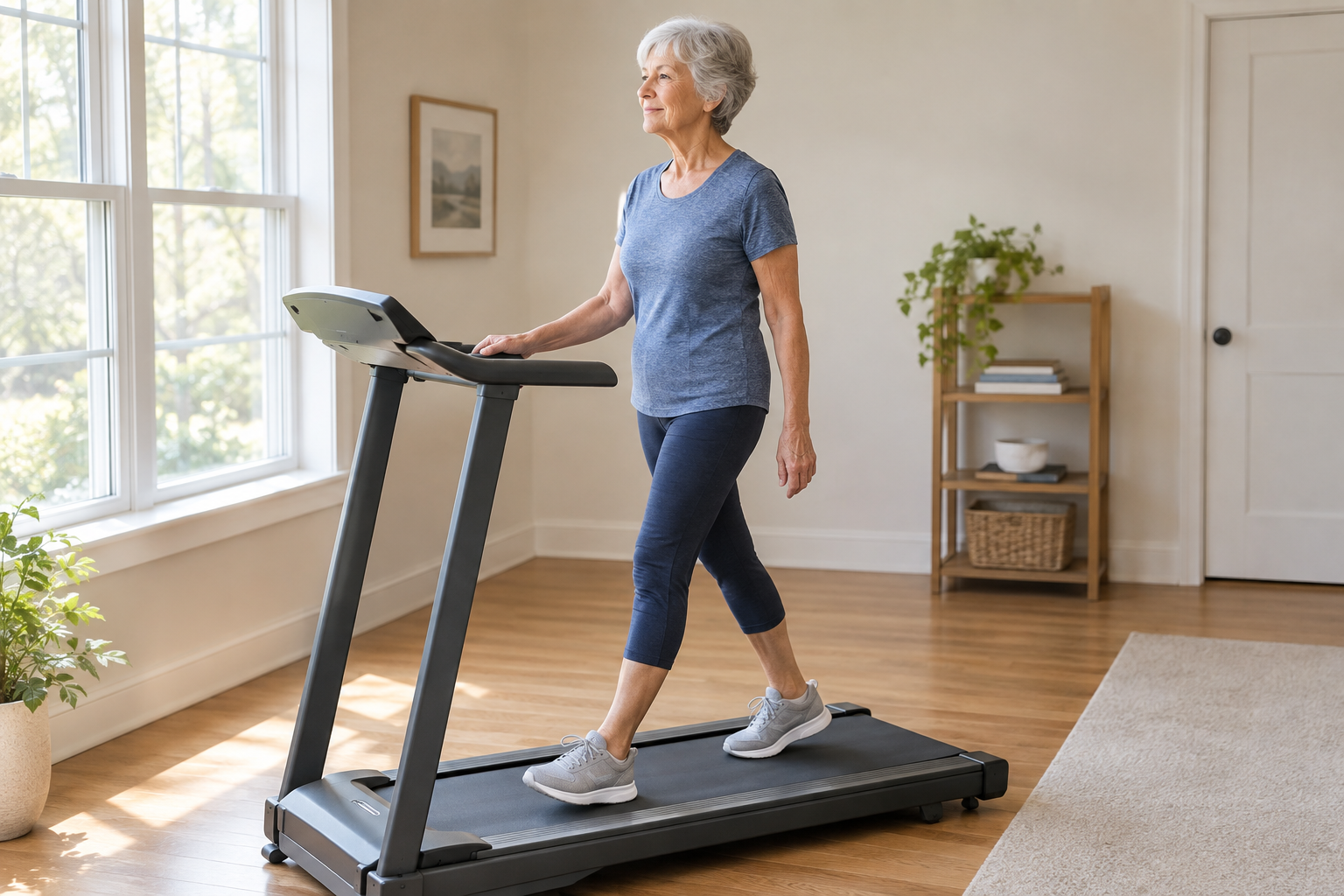
- Walking
- Gentle strength training
- Tai chi
- Balance exercises
can all help improve balance and mobility, reducing fall risk for seniors.
If a senior in your life is falling or noticing balance issues, seeking a physical therapy assessment is often a great idea.
Review Medications
Some medications may cause dizziness or coordination problems, especially if you notice balance problems that are of new onset.
A healthcare provider can review prescriptions to identify possible side effects.
Schedule Vision and Hearing Checks
Clear vision and proper inner ear function are essential for maintaining balance.
Improve Home Safety
Reducing fall hazards can make a major difference:
- Remove loose rugs
- Improve lighting
- Install grab bars
- Use non-slip mats
- Keep pathways clear
When to See a Doctor About Balance Problems
Seniors should speak with a healthcare provider if they experience:
- Frequent falls
- Sudden dizziness
- New walking difficulties or legs “giving out” while walking
- Weakness in the legs
- Persistent unsteadiness
- Changes in coordination
Balance problems are not simply a normal part of aging!
In many cases, treatment and lifestyle changes can help improve stability and reduce fall risk.
Final Thoughts
Recognizing the signs of poor balance in seniors early can help prevent serious injuries and improve quality of life.
Even small warning signs – like shuffling feet, holding onto furniture, or feeling unsteady – may indicate larger underlying issues that deserve attention.
But the good news is that balance, like most things, can improve with proper attention and action.
As a therapist, I love proving patients that tell me their balance will never get better wrong – and I promise you small changes can make a world of difference.
With proper support, exercise, and medical care, many seniors can strengthen their balance, stay active, and maintain their independence for years to come.
Frequently Asked Questions
What causes balance problems in seniors?
Balance problems in seniors can result from several factors, including muscle weakness, inner ear disorders, vision changes, medication side effects, arthritis, dehydration, and neurological conditions. In many cases, multiple age-related changes contribute to poor stability and coordination.
Is poor balance a normal part of aging?
Some mild slowing of movement can occur with age, but frequent unsteadiness, dizziness, or falls are not considered a normal part of aging.
Persistent balance problems should be evaluated by a healthcare provider to identify possible underlying causes.
Can dehydration cause balance problems in elderly adults?
Yes. Dehydration can lead to dizziness, weakness, low blood pressure, and lightheadedness, all of which can affect balance and increase fall risk in seniors.
Older adults are particularly vulnerable because they often have a reduced sense of thirst.
What are the early signs of balance problems in seniors?
Early warning signs may include:
- Frequent stumbling or tripping
- Feeling unsteady while walking
- Holding onto furniture for support
- Walking more slowly than usual
- Difficulty standing up from a chair
- Fear of falling
Recognizing these symptoms early can help prevent serious falls and injuries.
When should a senior see a doctor for balance problems?
A senior should see a doctor if they experience:
- Frequent falls or near falls
- Sudden dizziness
- Trouble walking
- New weakness in the legs
- Persistent unsteadiness
- Balance problems that interfere with daily activities
Early evaluation may help identify treatable causes and reduce fall risk.
Can medications affect balance in older adults?
Yes. Certain medications—including blood pressure medications, sedatives, sleep aids, and some antidepressants—can cause dizziness, drowsiness, or lightheadedness that affects balance and coordination.
What exercises help improve balance in seniors?
Activities that strengthen the legs and improve coordination can help support balance. Common examples include:
- Walking
- Tai chi
- Gentle strength training
- Standing balance exercises
- Physical therapy routines
Seniors should always choose exercises appropriate for their fitness level and medical conditions.
How can seniors reduce their risk of falling?
Seniors can lower fall risk by:
- Staying physically active
- Removing tripping hazards at home
- Wearing supportive footwear
- Using assistive devices if needed
- Staying hydrated
- Scheduling regular vision and hearing checks
Small lifestyle changes can make a major difference in preventing falls.