Dizziness is common in older adults, but it’s not always harmless.
While occasional lightheadedness can be caused by something simple like dehydration or standing up too quickly, persistent or severe dizziness may signal a more serious underlying issue.
Dizziness in seniors is serious when it is sudden, severe, frequent, or accompanied by symptoms like chest pain, fainting, confusion, weakness, or trouble speaking.
These signs may indicate a medical emergency and should be evaluated right away.
Understanding when dizziness is a warning sign can help prevent complications and ensure the right care is given quickly.
What Does “Dizziness” Mean?
First things first – let’s make sure we’re all talking about the same thing here (which is hard to do because dizziness can mean different things to all of us).
“Dizziness” is a broad, subjective term that can describe several different sensations, including:
- Feeling lightheaded or faint
- A spinning sensation (vertigo)
- Unsteadiness or loss of balance
- Feeling weak or disconnected
Each type can point to a different cause, which is why it’s important to pay attention to how the dizziness feels and when it occurs.
If you aren’t sure if you’re experiencing dizziness or vertigo, check out our guide comparing dizziness and vertigo to see what you’re really feeling.
When Is Dizziness Serious in Seniors?
Dizziness should be taken seriously if it includes any of the following warning signs.
Sudden or Severe Onset
Dizziness that comes on suddenly or feels intense can indicate a problem with blood flow, the inner ear, or even the brain.
Fainting or Loss of Consciousness
If dizziness leads to fainting (aka syncope), it may be related to a drop in blood pressure or a heart-related issue.
This should always be taken seriously and certainly warrants a trip to the doctor’s office.
Learn more here:
Syncope in Seniors: Causes, Symptoms, and Treatment
Chest Pain or Shortness of Breath
These symptoms may point to a heart or circulation problem and require immediate medical attention.
Difficulty Speaking or Weakness
Slurred speech, weakness on one side of the body, or trouble walking may be signs of a stroke. This is a medical emergency and requires immediate attention.
Confusion or Changes in Mental Status
Sudden confusion or unusual behavior can indicate dehydration, infection, or neurological issues.
Frequent or Worsening Episodes
Dizziness that keeps happening or is getting worse over time should not be ignored.
Dizziness When Standing Up
If dizziness occurs when moving from sitting to standing, it may be related to blood pressure changes.
Known as orthostatic hypotension, this condition is quite common in seniors and can be caused by a variety of things.
None the less, it should be taken seriously, especially if happens often or is becoming more severe.
Learn more by reading our complete guide on orthostatic hypotension and seniors.
Common Causes of Dizziness in Seniors
Not all dizziness is dangerous, but it’s important to understand potential causes.
Some of the most common include:
- Dehydration (you’d be surprised how much difference proper hydration can make for seniors)
- Low blood pressure
- Medication side effects
- Inner ear problems
- Blood sugar changes
- Heart rhythm issues
Why Dizziness Shouldn’t Be Ignored
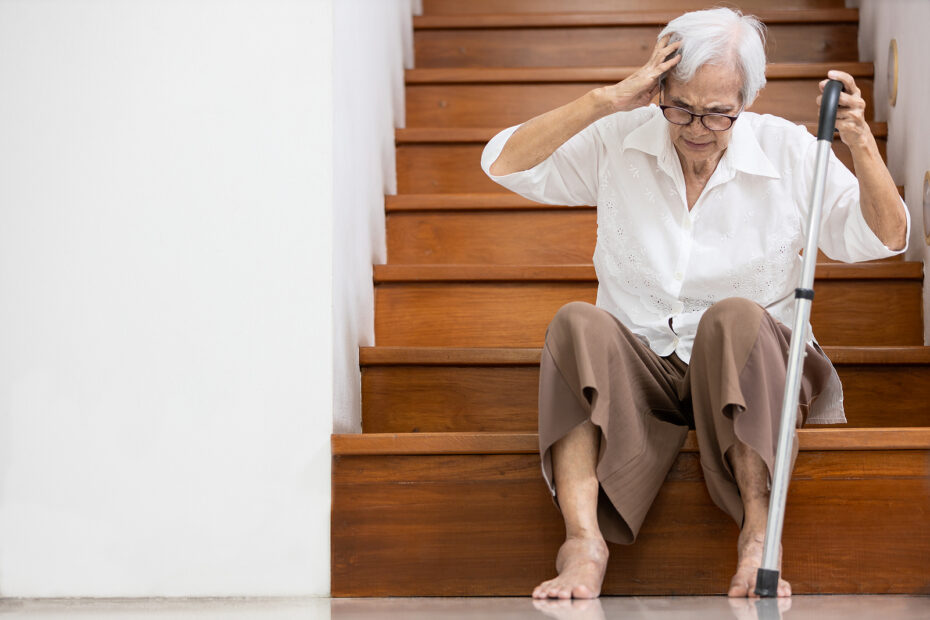
Even when dizziness isn’t caused by a serious condition, it can still increase the risk of falls.
Falls are one of the leading causes of injury in older adults, and dizziness is a major contributing factor.
As a home health physical therapist, I get the opportunity to work with seniors who’ve experienced falls on a daily basis and I can tell you that dizziness is one of the leading causes.
Finding the cause of the dizziness (and learning how to prevent/adjust your behaviors to limit the fall risk from said dizziness) can make all the difference in the world when it comes to home safety.
What to Do If a Senior Feels Dizzy
If dizziness occurs, sit or lie down immediately and avoid sudden movements.
Staying still can help prevent a fall and reduce symptoms. Try to hydrate, especially if dehydration may be a factor.
If dizziness occurs when standing, sit back down and wait to see if symptoms disappear before standing again.
If symptoms improve quickly and don’t return, it may not be serious.
However, if dizziness persists, worsens, or includes any warning signs, it’s important to seek medical attention.
When to Seek Emergency Care
Call for emergency help right away if dizziness is accompanied by:
- Chest pain
- Shortness of breath
- Fainting
- Severe headache
- Difficulty speaking
- Weakness on one side of the body
- Confusion or altered mental state
These symptoms may indicate a serious condition such as a stroke or heart problem.
How to Reduce the Risk of Serious Dizziness
While not all dizziness can be prevented, there are steps that can reduce risk.
Staying hydrated is one of the most important factors. Dehydration can contribute to blood pressure changes and lightheadedness.
Standing up slowly can also help prevent sudden drops in blood pressure.
Regular physical activity can improve circulation and balance, reducing the likelihood of dizziness-related falls.
Exercise can also help reduce the leg weakness many seniors tend to experience over time.
Reviewing medications with a healthcare provider is another important step, as some medications can contribute to dizziness.
FAQ: Dizziness in Seniors
What causes serious dizziness in seniors?
Serious dizziness in seniors can be caused by conditions such as heart problems, stroke, severe dehydration, medication side effects, or neurological issues.
When should dizziness be checked by a doctor?
Dizziness should be evaluated if it is frequent, worsening, or accompanied by symptoms like fainting, chest pain, confusion, or weakness.
Is dizziness a normal part of aging?
Occasional mild dizziness can occur with age, but persistent or severe dizziness is not considered normal and should be evaluated.
Can dehydration cause serious dizziness?
Yes. Dehydration can lower blood pressure and reduce blood flow to the brain, leading to significant dizziness or even fainting.
Final Thoughts
Dizziness can be scary, especially if you don’t know what’s causing it.
But the good news is that a lot of dizziness in the elderly is caused by fairly benign issues.
As a therapist, the biggest culprit I see is orthostatic hypotension, or the drop of blood pressue when standing.
Dehydration is another big culprit and the two conditions are often highly related (dehydration can cause orthostatic hypotension, especially in the elderly).
As a therapist, I encourage everyone to stay hydrated and change positions slowly – this alone can help manage a lot of dizziness related fall risk.
When in doubt, please consult your healthcare provider, especially for dizziness that is new onset.
That about does it – if you have any questions or comments, just leave ’em below and I’ll get back to you shortly.