Traveling with a walker can seem daunting, but with the right preparation, it’s entirely manageable and enjoyable.
It’s all about planning and knowing what to expect.
Fortunately, most walkers and rollators are foldable these days, making them more travel-friendly.
Check out the following tips to ensure a hassle free experience when traveling with your walker.
Did You Know?
- the average rolling walker weighs about 8 lb
- the average rollator weighs 15 – 20 lb
- standard/rolling walkers fold with either a one or two-button system
- rollators often fold in half by pulling up on the bar under the seat (may have a strap)
- a folded walker typically takes up about 2′ x 3′ x a few inches worth of space
Navigating Transportation With Your Walker
Navigating different modes of transport with a walker can be straightforward with some preparation.
Let’s break it down by transportation type.
Flying with a Walker
Airports and airplanes can be daunting, but with a little planning, it’s manageable.
When booking your flight, request assistance and priority boarding – this helps ensure you get the support you need.
Most airlines also accommodate walkers as part of your checked luggage without extra fees.
At the airport, allow extra time to get through security and to your gate, and don’t hesitate to ask for wheelchair assistance if needed.
Road Travel
If you’re planning a road trip, consider renting a car that easily accommodates your walker.
SUVs or minivans typically have more space and are easier to load. Plus, opting for a vehicle with automatic doors and a low step-in height can make getting in/out of the vehicle easier.
Portable ramps can also be a lifesaver if you’re stopping frequently.
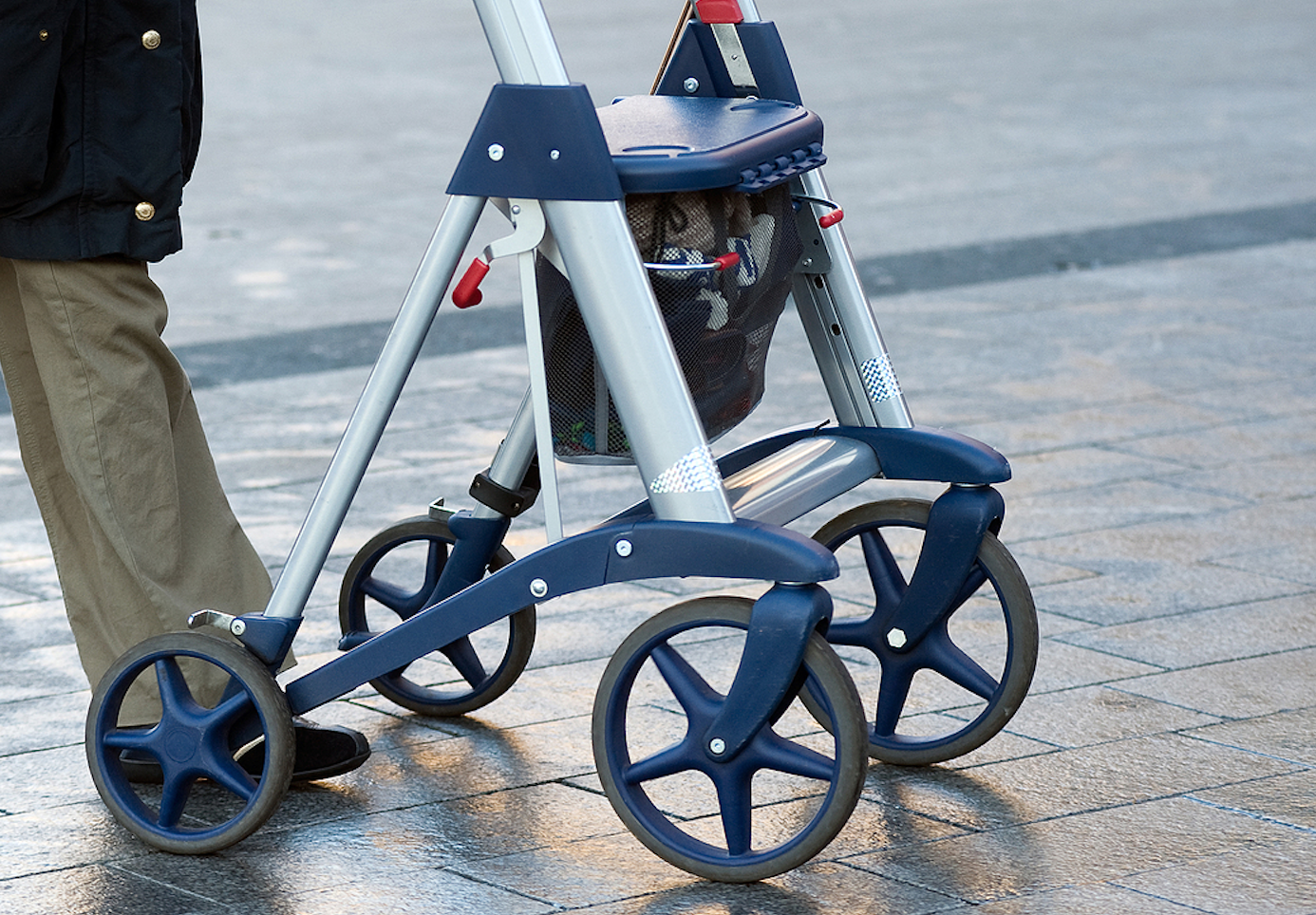
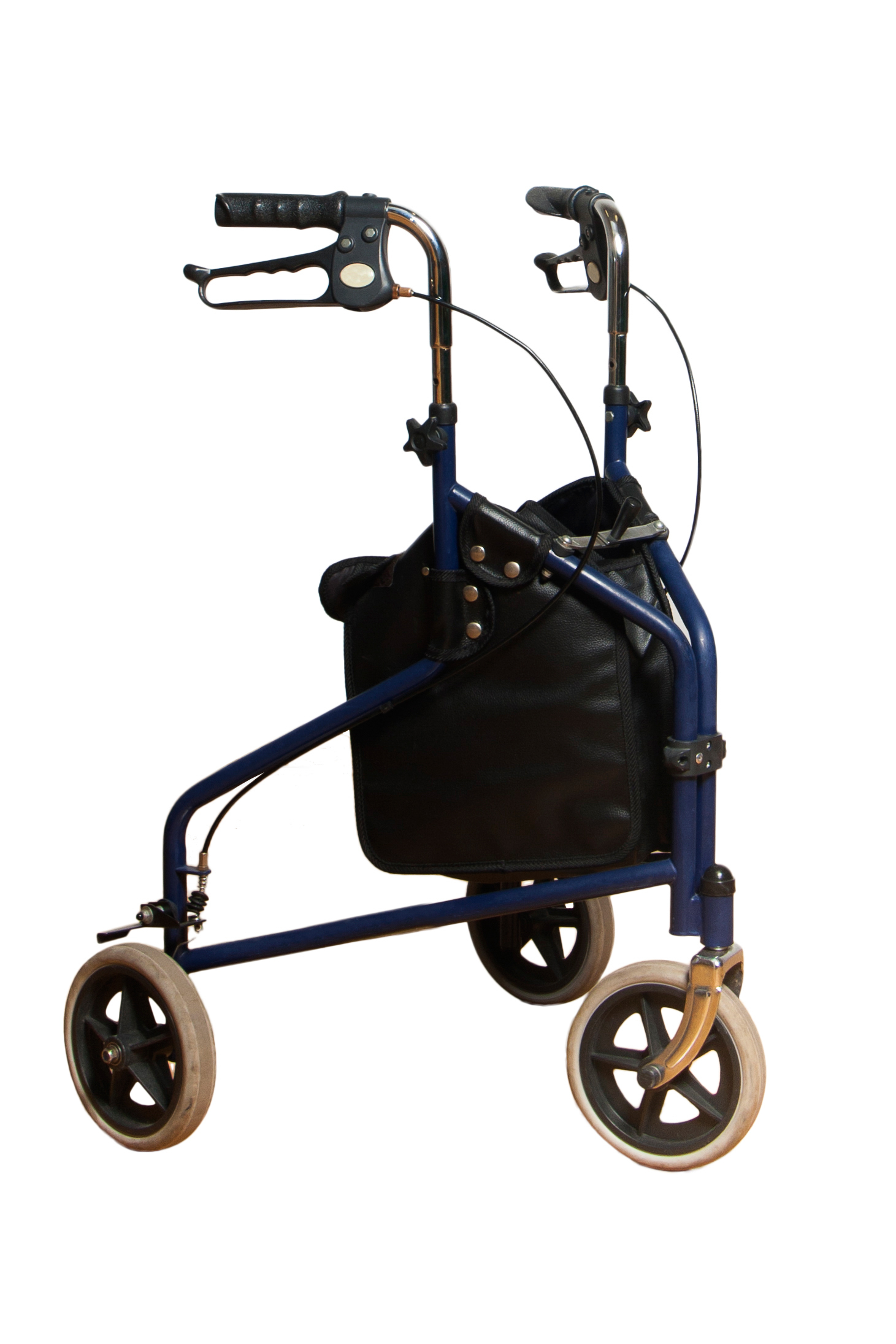
Keep in mind, standard and front wheel walkers can fold up for easy storage and when folded, usually take up a space of roughly 2′ x 3′ (and only a few inches thick).
Most rollators also fold in half for storage, but are considerably bulkier than smaller standard/rolling walkers.
Public Transportation
Buses, trains, and subways can be a bit tricky but often have accommodations for those with mobility aids.
Look up schedules and routes ahead of time and identify stops with accessibility features.
Most cities offer travel cards for disabled travelers that include discounts and priority seating. Don’t be shy about asking the driver or conductor for assistance—they’re usually more than willing to help.
Whether you’re hiring a taxi or using ride-sharing apps, always specify that you’ll need accessible transportation.
There are more services than ever that cater to passengers with mobility needs, so it’s easier to find a suitable ride.
And always make sure to confirm your requirements when booking to avoid last-minute hassles.

Accommodation Tips
It’s important to find lodging that meets your mobility needs too.
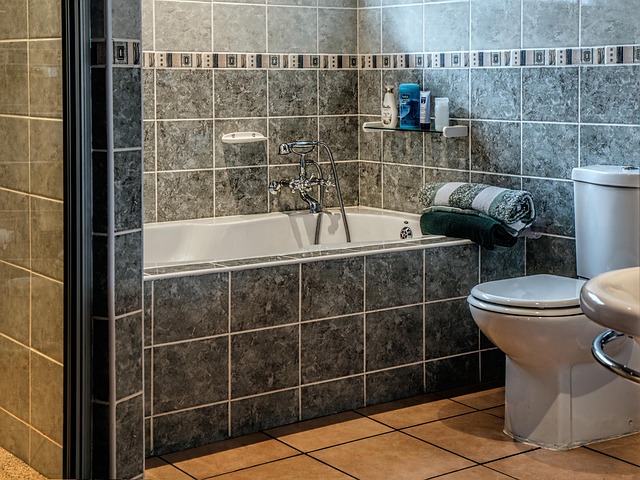
Look for hotels that specifically mention accessibility features like step-free entrances, wide doorways, and accessible bathrooms in their descriptions.
Reading reviews from other travelers with similar requirements can provide real-world insights as well and give you a good idea of what to expect.
When reserving your hotel, you can also contact the property directly to ask specific questions.
Clarify your need for a ground-floor room, ask about the distance from elevators, and ensure the bathroom is equipped with grab bars and a roll-in shower if necessary.
A direct conversation can provide details not always available online.
Once you arrive, take a few minutes to familiarize yourself with the room.
Feel free to move any furniture that may obstruct your walker and ensure pathways are clear.
Also consider bringing small items from home, such as a portable shower chair or extra grab bars, to make your stay more comfortable.
Keep in mind that safety is the priority.
Don’t forget to ensure there’s adequate lighting, especially at night and make note of the hotel’s emergency procedures and keep important contact numbers handy.
These small steps can significantly enhance your peace of mind when travelling.
Making the Most Out of Your Travel Experience
Planning activities that are accessible to you is key to enjoying your travels.
Look for attractions, parks, and museums that are walker-friendly. Many places now offer detailed accessibility information on their websites, which can help you plan your day effectively.
While you’re traveling, it’s important to keep your health and comfort in mind.
Make sure to rest frequently, stay hydrated, and listen to your body. Portable cushions can add comfort, and keeping pain relief medication on hand can be a lifesaver.
Don’t underestimate the value of connecting with locals either.
They can offer tips on accessible routes, hidden gems, and might even suggest activities that weren’t on your radar.
Joining local groups or forums before and during your trip can offer a wealth of information and support as well.
Overall, using a walker doesn’t have to limit your travel plans, it just may take a little extra planning to make sure everything goes smoothly.
If you have any other travel tips, please share them below!